



Barbados Cherry, Acerola, Guyana Cherry Tree
from $37.95
$39.95
Barbados Cherry (Acerola) Tree – Your Tropical Fruit Haven
Overview:
Transform your garden into a tropical paradise with the vibrant Barbados Cherry Tree, also known as Acerola or Guyana Cherry. This stunning tree, cultivated in Everglades Farms’ premium plant nursery in Homestead, Florida, is perfect for those who want to enjoy fresh, nutrient-rich cherries straight from their backyard.
Key Features:
Premium Quality Trees: Each Barbados Cherry Tree is grown for 12-18 months in a 2-gallon container, ensuring a strong, healthy start. These trees are expertly propagated from cuttings, guaranteeing quicker fruit production and robust growth.
Delicious & Nutritious Harvest: Expect your first delicious cherry harvest within just 1-2 years. The Barbados Cherry is packed with vitamins and antioxidants, offering a naturally sweet and healthy addition to your diet.
Versatile Landscaping Option: Whether as a standalone focal point or a beautifully shaped hedge, the Barbados Cherry Tree adds a touch of tropical elegance to any garden. It’s perfect for privacy and visual appeal.
Thrives in Subtropical Climates: Specifically cultivated for Florida’s warm, subtropical climate, our Barbados Cherry Trees are resilient and will flourish in your garden, providing bountiful rewards with minimal maintenance.
Exotic Caribbean Taste: Known as the Guyana Cherry in some regions, the Barbados Cherry Tree brings the taste of the Caribbean right to your backyard, offering a unique and exotic fruit experience.
Why Choose Everglades Farms?
Expertly Nurtured: With decades of experience in horticulture, Everglades Farms ensures that each tree is cultivated with the utmost care, providing you with a top-quality product ready to thrive in your garden.
Limited Stock Available: Don’t miss your chance to own a piece of paradise. Our Barbados Cherry Trees are in high demand, so order now while supplies last.
Free Shipping on Orders Over $50: Take advantage of our special offer and get your Barbados Cherry Tree delivered straight to your doorstep with no extra shipping fees on orders over $50.
Order Today and Start Enjoying Your Own Tropical Harvest:
Bring the lush, tropical flavor of Barbados Cherry into your home. Perfect for both experienced gardeners and beginners, this tree promises delicious fruit and an easy, low-maintenance gardening experience. Order now from Everglades Farms and begin your journey to homegrown goodness!
Read: How to Grow Barbados Cherry Tree


Black Sapote Bernicker Tree Grafted
from $47.95
$59.95
Introducing the Exceptional Black Sapote Bernicker Tree - Your Path to Flavorful Delights!
Discover the allure of the Black Sapote Bernicker Tree, skillfully grafted to deliver outstanding fruit production. Embrace the opportunity to cultivate this exquisite tree in your own backyard, and let its remarkable qualities shine:
Expertly Grafted for Excellence: Our Black Sapote Bernicker Tree boasts superior quality, thanks to expert grafting techniques that ensure exceptional fruit yield and consistent performance.
Thriving in Subtropical Paradise: Flourishing in Florida's perfect subtropical climate, this tree is nurtured with care at our renowned Homestead plant nursery. Expect nothing less than vibrant growth and fruiting success.
Young and Vigorous Beginnings: With a tender age of 12-18 months, our Black Sapote Bernicker Tree is packed with youthful vigor, laying the foundation for robust growth and abundant fruiting potential.
Effortless Arrival: Convenience is key, and your tree arrives in a sturdy 2-Gal plastic container, expertly secured for safe delivery to your doorstep. Unveil your tree's potential without any hassles.
Nourished for Prosperity: Enriched with premium slow-release 8-3-9 granular fertilizer, this tree is poised for sustained nourishment and vibrant development. Witness a tree that thrives and flourishes under your care.
Majestic Stature: Standing tall at 2-3 feet (including container), your Black Sapote Bernicker Tree makes a grand entrance into your garden. Enjoy the benefits of a substantial and mature head start.
Luscious Homegrown Flavor: Savor the rich and luscious flavor of your very own homegrown Black Sapote fruit. Each bite is a taste of nature's finest creation, nurtured by Florida's finest orchards.
Abundant Harvests, Easy Maintenance: Elevate your gardening journey with a high-yield fruit tree that demands minimal maintenance. Revel in bountiful harvests while enjoying a low-maintenance tree that's tailor-made for your success.
A Fruitful Investment: Limited availability adds a touch of exclusivity to this exceptional tree. Secure your future harvests by acquiring your Black Sapote Bernicker Tree today and embark on a rewarding and fruitful journey.
Unlock the potential of your garden with the Black Sapote Bernicker Tree. Elevate your gardening game, relish the joy of homegrown flavors, and experience the wonder of nurturing your own thriving fruit tree. Don't miss out on this opportunity - order now and cultivate a world of taste right in your backyard!
Read: How to Grow Black Sapote Tree


Pina Collada Mango Tree Grafted
from $39.95
$59.95
Pina Colada Mango Tree – Grafted, Unique Pineapple & Coconut Flavor
The Pina Colada Mango Tree is a unique mango variety that offers a delightful tropical flavor reminiscent of its namesake cocktail, blending hints of pineapple and coconut into every bite. This mid-season mango produces small but intensely flavorful fruit, making it a favorite for those seeking something different in their home garden. Grafted from high-quality, fruit-producing trees, the Pina Colada Mango Tree is a vigorous grower that promises early fruiting and doubles as a beautiful shade tree.
Why Choose the Pina Colada Mango Tree?
Tropical Flavor Experience: The Pina Colada Mango combines the best of tropical flavors—pineapple and coconut—into a sweet and juicy fruit. Its small size is packed with an exotic taste that’s perfect for fresh eating, smoothies, and desserts.
Early Fruit Production: Grafted trees begin to bear fruit in as little as 2-3 years with proper care and growing conditions, allowing you to enjoy your first Pina Colada mangoes faster than seed-grown varieties.
Mid-Season Harvest: The Pina Colada Mango ripens in the middle of the mango season, giving you a consistent supply of fresh fruit when you need it most.
Tree Specifications:
Growth Habit: The Pina Colada Mango Tree is not only a fruit producer but also an excellent shade tree. With its lush green canopy, it provides ample shade, making it a functional and beautiful addition to your landscape.
Container & Tree Age: Your tree will ship in a 3-gallon plastic container, with the average age of the tree being 12-18 months. This ensures that you’re receiving a well-established tree that’s ready to be transplanted into your garden.
Sun Exposure & Climate: Like all mango trees, the Pina Colada Mango thrives in full sun and prefers warm, subtropical climates. It’s ideally suited for regions like Florida, Texas, and Southern California, where it can grow and produce fruit successfully.
Grown with Care at Everglades Farm
At Everglades Farm, we grow our Pina Colada Mango Trees in Homestead, Florida, where the subtropical weather provides perfect growing conditions. Our grafted trees are cultivated with care, ensuring that they are disease-resistant, vigorous, and ready to produce flavorful fruit. By selecting only the best parent trees, we ensure that every Pina Colada Mango Tree we sell is of the highest quality.
Why Buy from Everglades Farm?
As a family-owned nursery, Everglades Farm is dedicated to providing premium-quality fruit trees and exceptional customer service. Our Pina Colada Mango Trees are grown using sustainable practices, ensuring that you receive a healthy, grafted tree that will thrive in your home garden. When you purchase from us, you're investing in a tree that has been nurtured with care and expertise.
Perfect for Tropical Gardens & Mango Lovers
The Pina Colada Mango Tree is perfect for those looking to add a tropical twist to their fruit collection. With its pineapple and coconut-flavored mangoes, this tree is a must-have for mango enthusiasts and home gardeners alike. Its compact size, early fruiting, and delightful flavor make it a standout choice for any tropical or subtropical landscape.


Kary Star Fruit Carambola Fruit Tree, Grafted
from $47.95
$54.95
Introducing the Kary Star Fruit Carambola Fruit Tree – Taste the Tropical Delight!
Experience the exotic allure of our Kary Star Fruit Carambola Fruit Tree, carefully nurtured to perfection at Everglades Farms. Bursting with flavor and elegance, this fruit tree is a must-have for any garden. Here's why you'll love it:
Grafted Excellence: Our Kary Star Fruit Tree is expertly grafted from a high-quality, fruit-producing tree. This ensures that you'll be enjoying the best possible fruits with every harvest.
Homestead's Subtropical Magic: Grown in our lush plant nursery in Homestead, Florida, this tree thrives in the nurturing embrace of our subtropical climate. You can trust that your tree is accustomed to the very best growing conditions.
Fast Maturity: With an average age of 12-18 months in a 2-gallon container, our Kary Star Fruit Tree is already on its way to maturity. You'll be enjoying its delectable fruits sooner than you think.
Convenient Shipping: Your tree will arrive in a sturdy plastic container, ready to find its new home in your garden. The soil in the container is enriched with premium slow-release granular 8-3-9 fertilizer, giving your tree a head start in healthy growth.
Grafted for Success: This tree is meticulously grafted, a practice that ensures strong, disease-resistant rootstock, and the ability to produce delicious fruits in as little as 1-2 years. You'll be savoring the taste of success sooner than you expect.
A Star in Your Garden: The Kary Star Fruit Carambola is not only a treat for your taste buds but also a visual delight. Its unique star-shaped fruits add a touch of elegance to your garden, making it a conversation starter and a true star attraction.
Versatile Culinary Delight: The juicy and tangy flavor of the Kary Star Fruit makes it a versatile addition to your culinary creations. Enjoy it fresh, sliced in salads, transformed into jams, or as a striking garnish.
Low Maintenance, High Rewards: This tree is relatively low-maintenance, making it an excellent choice for both experienced gardeners and beginners. A little care goes a long way in ensuring a bountiful harvest year after year.
Elevate your gardening experience with the Kary Star Fruit Carambola Fruit Tree from Everglades Farms. Order yours today and unlock the flavors of the tropics right in your own backyard!


Wilson Black Sapote Tree Grafted
from $39.95
$59.95
Wilson Black Sapote Tree, Grafted – Indulge in the Chocolate Pudding Fruit!
Premium Grafted Quality:
Superior Grafting for Optimal Growth: Our Wilson Black Sapote Tree is expertly grafted from a high-quality, fruit-producing tree. This ensures that your tree will yield the best-tasting and most abundant fruits, known for their unique, chocolate-like flavor.
Cultivated in Florida’s Ideal Climate:
Nurtured in Subtropical Paradise: Grown in our Homestead, Florida plant nursery, this tree benefits from the region’s optimal subtropical weather. The combination of warm temperatures and sunshine helps the Wilson Black Sapote flourish, ensuring vigorous growth and early fruit production.
Ready to Thrive in Your Garden:
Mature and Established: With an average age of 12-18 months, your Wilson Black Sapote Tree is well on its way to providing you with delectable fruits. At an approximate height of 3 feet (including the container), this tree is ready to thrive and produce in your garden or as a stunning container plant.
Conveniently Packaged: Shipped in a sturdy 3-gallon plastic container, your tree arrives with nutrient-rich soil containing premium slow-release 8-3-9 granular fertilizer. This provides essential nutrients to support healthy growth and an abundant harvest.
Delicious and Unique Fruit:
A Taste Like No Other: Often referred to as the “chocolate pudding fruit,” the Wilson Black Sapote’s ripe fruit boasts a creamy, rich texture and flavor that’s reminiscent of chocolate. Perfect for eating fresh, adding to desserts, or incorporating into smoothies.
Easy Care and Growth:
Low Maintenance and Hardy: This tree is not only easy to care for but also adaptable to various growing conditions. Plant it in a sunny spot with well-draining soil, water regularly, and enjoy the rewards of minimal care.
Enhance Your Garden with an Exotic Delight:
A Showpiece for Your Landscape: The Wilson Black Sapote Tree is not just about the delicious fruit. Its lush, green foliage adds aesthetic value to any garden or patio, making it a beautiful and functional addition to your landscape.
Order Your Wilson Black Sapote Tree Today:
Experience the Delight of Homegrown Chocolate Pudding Fruit: Start your journey with the Wilson Black Sapote Tree from Everglades Farms. Order now and bring a unique and delicious tropical fruit to your home garden!
Read: How to Grow Black Sapote Tree


August Beauty Gardenia Shrub white flower
from $22.95
$49.95
August Beauty Blooms Up to 3 Months
Why August Beauty Gardenia Shrubs?
Fragrant pure white blossoms, nearly 2 to 3 inches across, meet carefree growth, setting the August Beauty Gardenia apart. In fact, this no-nonsense shrub will bloom for up to three months at a time, signaling the season in the most fragrant, luscious way.
Plant August Beauty in strategic places where you and your guests can enjoy it most...in transition areas (entry to a gazebo, doorways, a gate), near a deck or walk, or even in enclosed areas to capture its essence. This will allow you to enjoy the fragrance every time you pass the August Beauty Gardenia.But most of all, you'll enjoy the easy care of this evergreen shrub. Plant in full sun (more shade equals fewer flowers) and water well the first year to establish its root system. Beyond that, let it grow and show off its beauty for you year-round.


Edgar Baby Dragon Fruit, Pitaya
from $29.95
$49.95
The pulp is flavorful having a sweet and tangy taste
This variety is best used for garnish or in combination with other juices. Self-pollinating
Exotic cactus tree with versatile tropical appeal. Large white flowers with a sweet fragrance. Climbing vine grows well in dry areas
Grown in our plant nursery in Homestead, Florida with the benefits of our subtropical weather
Average age of tree in 2 gal container: 6-12 months
Ships in a 2-Gal plastic container
Approximate height: 2-3 Feet or taller


Yellow Pitaya, Dragon Fruit
from $37.95
$49.95
Yellow Pitaya Dragon Fruit - Taste the Tropical Magic!
Deliciously Sweet and Refreshing: Indulge in the mouthwatering yellow fruit flesh with a delightful, mild sweetness. Enjoy it fresh, juiced, or as a colorful garnish for your dishes.
Exotic Cactus Tree: Embrace the allure of this unique cactus tree, adding a touch of tropical elegance to your garden.
Fragrant and Beautiful: Admire the large white flowers with their sweet fragrance, creating a sensory delight in your outdoor space.
Versatile Climbing Vine: This adaptable vine thrives even in dry conditions, making it a perfect choice for various climates.
Grown in Sunny Florida: Cultivated in our Homestead nursery, benefiting from the lushness of Florida's subtropical climate.
Ready to Flourish: Shipped in a 3-Gallon plastic container, it's well-rooted and ready to grow in your garden.
Low Maintenance: Dragon fruit trees are easy to care for, requiring minimal attention to thrive.
Experience Tropical Paradise: Enhance your landscape with a taste of the tropics and exotic beauty.
Transform your garden with the captivating Yellow Pitaya Dragon Fruit tree. Experience the allure of tropical flavors, fragrant blooms, and ease of care. Create your paradise with Everglades Farms - Buy now and make your garden magical!


Tomuri Fuzzy Kiwi Vine (Male Pollinator)
$26.95
$59.95
Tomuri Fuzzy Kiwi (Male Pollinator Vine)
Short Description :The Tomuri Fuzzy Kiwi is a vigorous male pollinator vine required for fruit production on female fuzzy kiwi varieties such as Vincent. Cold-hardy, fast-growing, and essential for home orchards.
Bring your kiwi orchard to life with the Tomuri Fuzzy Kiwi (Male Pollinator Vine).
This vigorous climbing vine does not produce fruit but plays a vital role in pollination, ensuring your female kiwi vines—such as the popular Vincent Fuzzy Kiwi—produce heavy crops of sweet, tangy fruit.
🌱 Key Features:
Male pollinator variety – does not bear fruit
Compatible with female Vincent Fuzzy Kiwi and other fuzzy kiwi types
Fast-growing, hardy vine for home orchards and gardens
Large, fragrant white blossoms attract pollinators in spring
Provides the essential pollen needed for successful fruit set
🌿 Growing & Care:
Hardiness: Zones 7–9 (tolerates cold to ~10°F)
Light: Full sun for best flowering and pollination
Soil: Well-drained, fertile soil with regular moisture
Growth Habit: Vigorous climbing vine – requires a sturdy trellis, arbor, or fence
Bloom Time: Spring, coinciding with female kiwi bloom
🌸 Pollination Notes:One Tomuri male vine can pollinate up to 8 female vines when planted nearby. For best results, plant within 50 feet of your female kiwi plants.


Mamoncillo Tree from Seedling, Spanish Lime
from $37.95
$49.95
Mamoncillo Tree from Seedling - Spanish Lime Tree: A Taste of Tropical Delight
Why Choose the Mamoncillo Tree?
Exquisite Large Fruit: Dive into the tropical bliss of Mamoncillo, also known as Spanish Lime. This tree produces large, juicy fruits with an average pulp content of 51.5%. The flavor is a delightful balance of sweetness and tanginess, offering a refreshing treat straight from your garden.
Bountiful Harvests: Expect abundant fruit production with your Mamoncillo tree. Known for its generous yield, this tree will fill your harvest basket with plenty of these tropical gems.
Quality Seedlings: We nurture our Mamoncillo trees from top-quality seedlings, ensuring they grow into healthy, robust trees with strong fruit-bearing potential.
Homestead's Subtropical Advantage: Our Mamoncillo trees are grown in the fertile soils of Homestead, Florida, benefiting from the region’s ideal subtropical climate. This gives your tree the best start, setting the stage for vigorous growth and fruit production.
Ready-to-Grow Convenience: Your tree arrives in a plastic container, complete with soil enriched with premium slow-release granular 8-3-9 fertilizer. It’s the perfect setup for easy planting and rapid growth.
Rapid Growth: With an average age of 12-18 months and a height of approximately 2 feet (including the container), your Mamoncillo tree is well on its way to becoming a mature, productive tree.
Two Seeds, One Taste: While some fruits may contain two seeds, each Mamoncillo offers a consistent, delightful flavor that's truly satisfying.
Versatile Planting Options: Whether planted in your garden or a large container, the Mamoncillo tree adapts well to various environments, making it suitable for different spaces.
Why Wait? Order Your Mamoncillo Tree Today!
Add a touch of the tropics to your garden with the Mamoncillo tree. With its delicious fruit, easy care, and robust growth, this tree is perfect for both experienced gardeners and newcomers alike. Embrace the flavors of the Caribbean and enjoy the beauty of this unique fruit tree in your own outdoor space. Order your Mamoncillo tree today and start your journey into tropical gardening!
🌱 Master the Mamoncillo Tree: Essential Steps for Successful Growth

Alocasia Silver Dragon - Stunning Tropical Houseplant in 4" Container
$8.99
$29.95
Product Description:Bring a touch of the tropics to your home with the Alocasia Silver Dragon, a rare and elegant houseplant known for its striking silver-green, heart-shaped leaves with dark green veining that resemble dragon scales. Compact and perfect for small spaces, this plant thrives in bright, indirect light and high humidity. Ideal for terrariums or as a tabletop centerpiece, it requires consistently moist but well-draining soil and warm temperatures (65-80°F). Not suitable for beginners, this exotic beauty is a must-have for plant enthusiasts seeking a unique addition to their collection. Toxic to pets and humans if ingested.


Mountain Sweet Granadilla Plant Exotic Passiflora ligularis from Guatemala Yellow Fruit (ripe)
from $29.95
$59.95
Bring a taste of tropical paradise to your garden with our exquisite Mountain Sweet Granadilla plant, sourced directly from the lush highlands of Guatemala. This rare and exotic Passiflora ligularis vine is now available at Everglades.Farm, ready to transform your outdoor space into a vibrant oasis.
Product Features
Native to Central America: Thrives in elevations between 3,000 and 8,850 feet
Fruit Characteristics:
Size: 6-8 cm long, 3-5 cm in diameter
Shape: Elongated, oblong to oval
Rind: Smooth, firm, and thick
Color: Ripens from green to orange-yellow
Taste Profile: Bright, sweet, and tangy with tropical and floral undertones
Benefits of Growing Mountain Granadilla
Exotic Fruit Production: Enjoy homegrown granadillas with a delicious, aromatic pulp
Ornamental Value: Beautiful climbing vine with striking flowers
Health Benefits: Rich in Vitamins A and C, antioxidants, and dietary fiber
Versatile Usage: Perfect for fresh eating, desserts, and beverages
Cultivation Tips
Planting Time: Best planted in late winter to mid-spring after frost danger has passed
Sun Exposure: Full sun or morning sun in very hot areas
Soil Requirements: Well-draining soil enriched with compost
Support Structure: Requires a strong trellis or support system
Watering: Keep soil consistently moist but not waterlogged
Why Choose Our Mountain Granadilla Plant?
Premium Quality: Carefully nurtured 1-gallon pot, ready for transplanting
Rare Variety: Authentic Guatemalan strain, not commonly found in local nurseries
Expert Care: Grown with passion at Everglades.Farm
Sustainable Packaging: Eco-friendly materials used for shipping
Transform your garden into a tropical haven and savor the unique flavors of Mountain Granadilla. Order now and start your exotic fruit-growing journey with Everglades.Farm!


Vanilla Bean Orchid | Vanilla planifolia | Tropical Climbing Vine for Gourmet Vanilla Beans
$39.95
$69.95
The Vanilla Bean Orchid, scientifically known as Vanilla planifolia, is a tropical climbing vine renowned for producing the world's most prized vanilla beans. Native to Mexico and Central America, this exotic orchid thrives in warm, humid climates and requires bright, indirect light. With proper care, it can grow up to 10-30 feet and live for decades, making it a rewarding addition to any garden or indoor space. The fragrant, creamy-white to pale yellow flowers are a delight, but the true treasure lies in the vanilla pods that develop after hand-pollination. These pods, once cured, release a rich, warm, and sweet aroma perfect for baking and culinary delights.

Alocasia Dragon Scale - Exotic Tropical Beauty | Rare Houseplant 4" pot
$8.99
$29.95
Alocasia baginda 'Dragon Scale' - Exotic Tropical Beauty
Transform your space with the mesmerizing Alocasia baginda 'Dragon Scale', a rare and exotic tropical plant that's sure to captivate any plant enthusiast. This stunning aroid boasts large, dark green leaves with a unique texture reminiscent of mythical dragon scales, creating an instant focal point in any room.
Product Features:
Striking foliage with silvery-green undersides and deep, dark green tops
Compact size, perfect for small spaces and desks
Air-purifying properties for a healthier indoor environment
Low-maintenance care requirements
Care Instructions:
Light: Thrives in bright, indirect light
Water: Allow top 1-2 inches of soil to dry between waterings
Humidity: Prefers high humidity
Soil: Well-draining, chunky mix
Fertilizer: Feed monthly during growing season
Bring a touch of tropical magic to your home with the Alocasia 'Dragon Scale'. Its unique appearance symbolizes power and fortune, making it an ideal gift for plant lovers and a stunning addition to any indoor jungle. Easy to care for and adaptable, this plant is suitable for both novice and experienced plant parents.
Add this rare beauty to your collection today and watch as it unfurls new leaves like living art, transforming your space into a lush, exotic oasis.

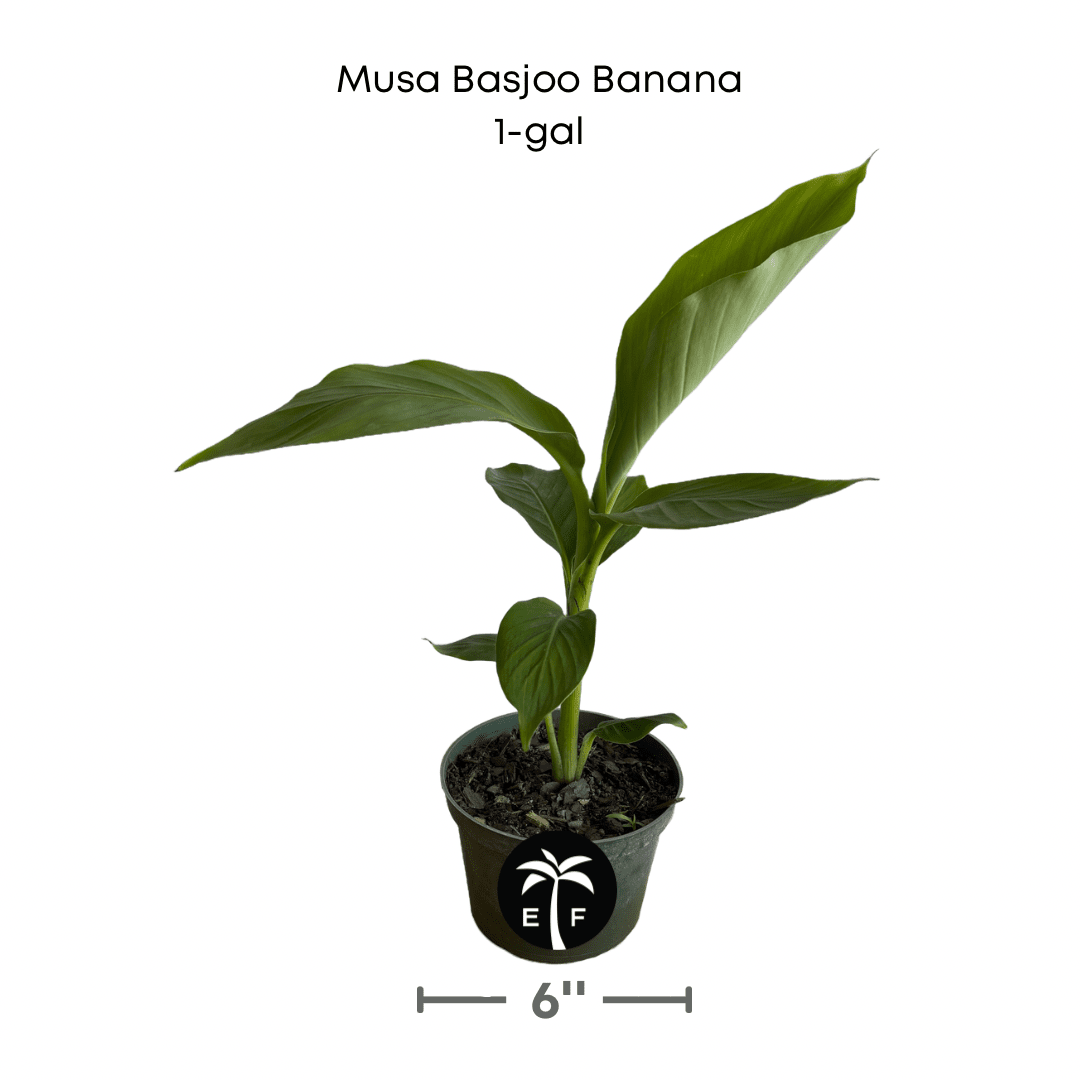
Basjoo Banana Plant – Cold Hardy Tropical Beauty
$31.95
$39.95
Transform your garden into a lush tropical oasis with the Musa Basjoo Banana Plant, a cold-hardy variety perfect for adding exotic charm to any landscape.
Cold-Hardy & Resilient: Thrives in temperatures as low as -10°F with proper mulching.
Fast-Growing & Striking: Reaches 10-15 feet tall with broad, vibrant green leaves for an impressive tropical look.
Versatile Planting: Ideal for gardens, patios, or large containers; thrives in USDA Zones 5-11.
Low Maintenance: Easy to care for and non-edible, making it perfect for ornamental use.
Bring home this hardy banana plant and enjoy its rapid growth and tropical beauty year-round!
🌱 Master the Basjoo Banana Plant: Essential Steps for Success

Pink Lemonade Blueberry Plant - Vibrant Flavor for Your Garden
$37.95
$49.95
Transform your garden with the delightful Pink Lemonade Blueberry Plant (Vaccinium 'Pink Lemonade'). This unique variety not only boasts stunning pink-hued berries but also offers a sweet, tangy flavor that will elevate your culinary creations. Imagine harvesting these vibrant berries to create refreshing smoothies, desserts, or simply enjoying them fresh off the bush.Key Benefits:
Ornamental Beauty: The striking pink berries add a pop of color to any garden, making it a perfect ornamental plant.
Delicious Flavor: Enjoy the sweet-tart taste of blueberries that are perfect for snacking or cooking.
Easy to Grow: This hardy plant thrives in various conditions and is suitable for both novice and experienced gardeners.
Features:
Type: Deciduous shrub
Height: Grows up to 4 feet
Sunlight Requirement: Full sun to partial shade
Soil Preference: Well-drained, acidic soil
Harvest Season: Late summer
Elevate your gardening experience and indulge in the unique flavors of the Pink Lemonade Blueberry Plant. Order yours today and start enjoying the beauty and bounty of this extraordinary fruit!

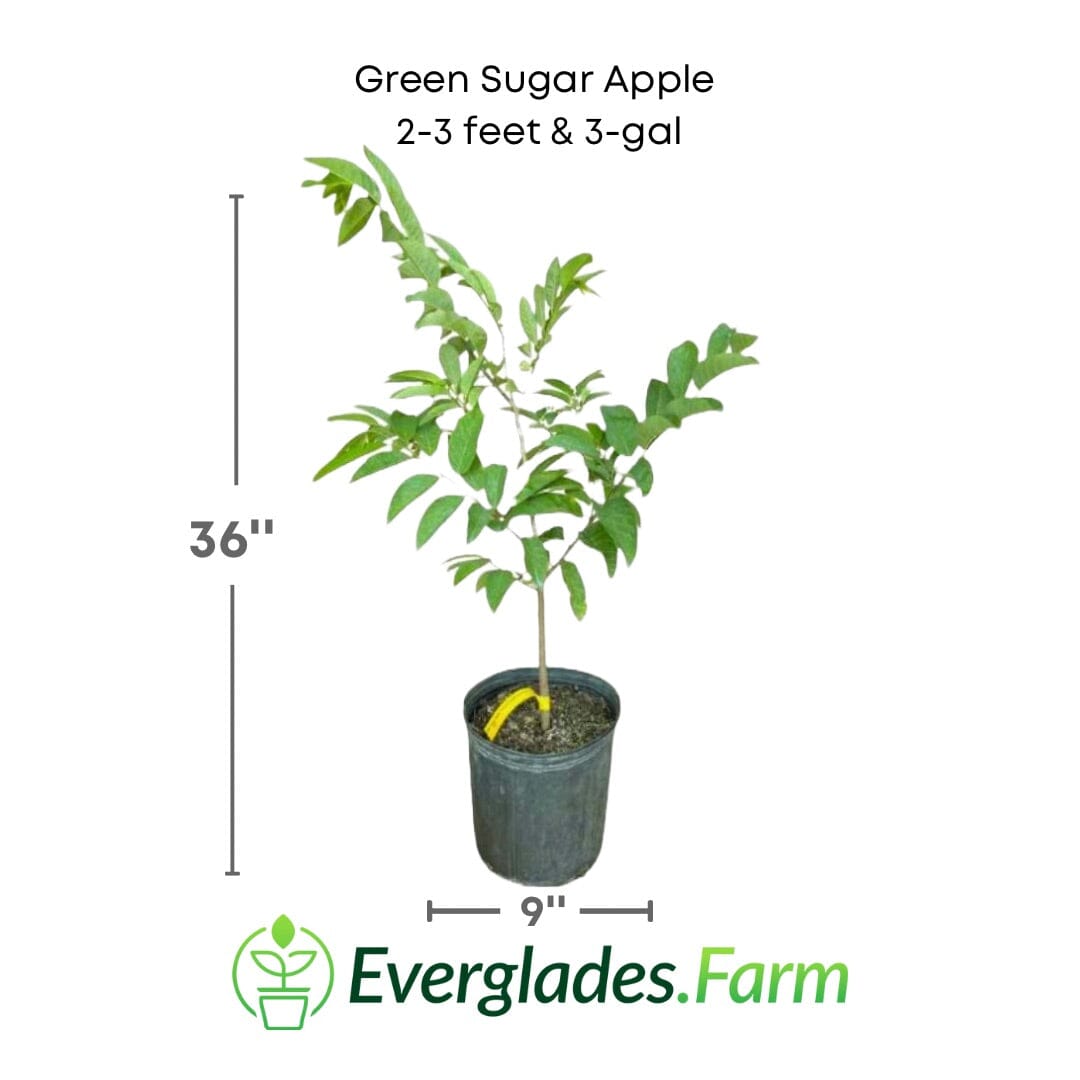
Green Sugar Apple, Sweetsop, Annona Tree
from $34.95
$49.95
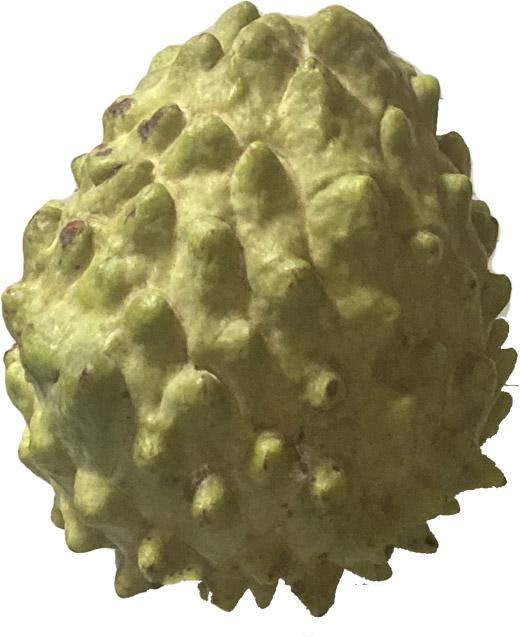
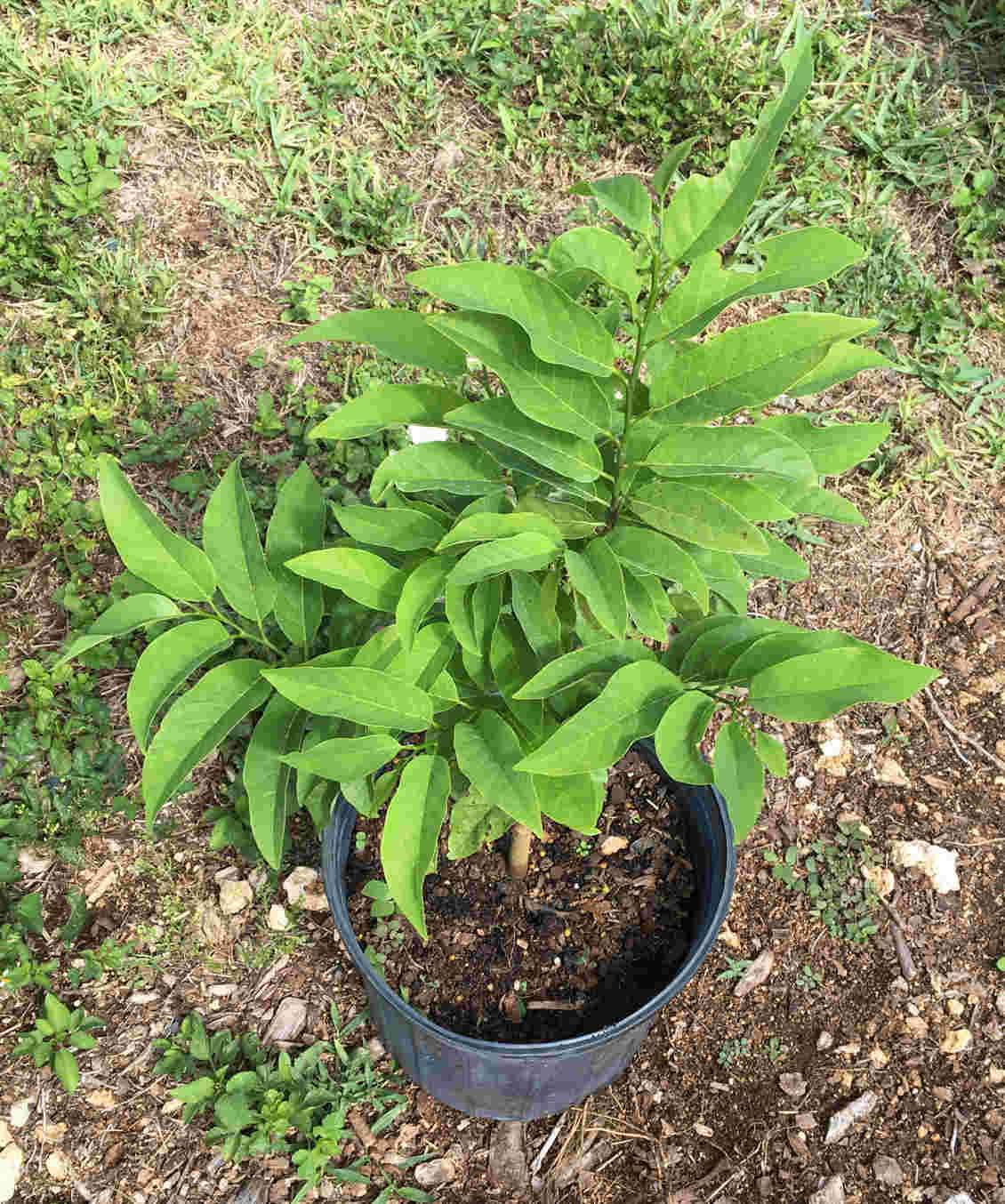
Delicious Sugar Apple (Annona Squamosa) Trees for Sale from Florida's Everglades Farms!
Fast Fruit Yield: Yields delectable fruit in just 1-2 years, whether planted in the ground or containers.
Healthy and Mature: Our 3-gallon container trees are 6-12 months old on average, ensuring a head start in growth.
Florida's Finest: Grown in our top-tier plant nursery nestled in the warmth of Homestead, Florida, benefiting from our ideal subtropical weather.
Nurtured from Seeds: Each tree is lovingly cultivated from seeds, guaranteeing unique and thriving specimens.
Abundant Harvest: Mature sugar apple trees bear a bountiful yield of 20 to 50 delicious fruits per tree.
Seasonal Availability: Wondering why Sugar Apples aren't available in winter? These trees undergo a natural leaf-changing process during the winter months. Fear not! They'll be back and ready to purchase again after the winter season.
Why Choose Sugar Apple Trees from Everglades Farms?
Premium Quality Guaranteed: Our meticulously nurtured trees promise superior taste and health for your orchard or garden.
Expertise and Experience: With years of experience in cultivating subtropical plants, we bring you the very best in sugar apple trees.
Versatile Planting Options: Whether you have ample garden space or a cozy balcony, our sugar apple trees flourish in both ground and container settings.
Sustainably Grown: We take pride in sustainable farming practices, ensuring a positive impact on the environment.
Local Floridian Pride: Embrace the essence of Florida by bringing home these authentic sugar apple trees, grown with love in the heart of the Everglades.
Bring the Taste of the Tropics Home - Buy Sugar Apple Trees Now!
Read: Sugar Apple Fruit Where to Buy: A Step-by-Step Guide

Banyan Tree, Elegant Ficus Audrey The Perfect Indoor plant
from $14.95
$39.95
Ficus Audrey (Ficus benghalensis) - The Perfect Indoor Banyan Tree
**Bring Home a Touch of Elegance and Nature with Ficus Audrey**
Introducing the Ficus Audrey (Ficus benghalensis), a stunning and versatile indoor plant that brings the beauty and serenity of the natural world into your home. Known for its lush, green leaves and robust growth, this tree is perfect for both novice plant enthusiasts and seasoned gardeners alike.
**Why Choose Ficus Audrey?**
- **Elegant Appearance**: With its large, velvety leaves and stately presence, the Ficus Audrey is a showstopper in any room. Its vibrant foliage adds a touch of sophistication and greenery to your interior decor. - **Low Maintenance**: This resilient plant thrives in various indoor conditions and is relatively easy to care for. It's perfect for those who want to enjoy the benefits of indoor plants without the hassle of high maintenance. - **Air Purifying**: Like other Ficus varieties, Ficus Audrey helps improve indoor air quality by filtering toxins and releasing fresh oxygen, making your home healthier and more comfortable.
**Product Details:**
- **Botanical Name**: Ficus benghalensis- **Common Name**: Ficus Audrey, Banyan Tree- **Pot Size**: Available in 6-inch, 8-inch, and 10-inch decorative pots- **Plant Height**: Ranges from 1.5 to 4 feet, depending on pot size- **Light Requirements**: Thrives in bright, indirect light but can tolerate lower light conditions- **Watering**: Water when the top inch of soil feels dry to the touch; ensure good drainage to prevent root rot- **Humidity**: Prefers moderate to high humidity levels; occasional misting can help maintain humidity around the plant
**Perfect for Any Space:**
Whether you place it in your living room, office, or bedroom, the Ficus Audrey adds a touch of elegance and a breath of fresh air to any space. Its versatile nature and impressive stature make it an ideal choice for enhancing your home's aesthetic appeal.
**Why Buy from Everglades Farm?**
- **Quality Assurance**: At Everglades Farm, we ensure that each Ficus Audrey is grown with care and attention, guaranteeing you receive a healthy and vibrant plant.- **Sustainable Practices**: We are committed to sustainable and eco-friendly farming practices, ensuring that our plants are nurtured in an environmentally responsible manner.- **Customer Satisfaction**: Our dedicated customer support team is here to help you with any questions or concerns, ensuring your satisfaction with every purchase.
**Order Your Ficus Audrey Today!**
Bring the natural beauty of the Ficus Audrey into your home and experience the joy of indoor gardening. Order now from Everglades Farm and enjoy fast, reliable shipping straight to your door. Transform your space with this elegant and easy-to-care-for plant and reap the benefits of a greener, healthier home.

Alocasia Cuprea Red Secret Tropical Houseplant in 4" Container
$9.48
$29.95
The Alocasia Cuprea Red Secret is the perfect addition to your home jungle. Its shiny, red-veined leaves will add a pop of color to any room. Plus, its compact size and easy care make it a must-have for any plant parent. Bring home your own Red Secret today!


Forastero Cacao Chocolate Tree
from $49.95
$59.95
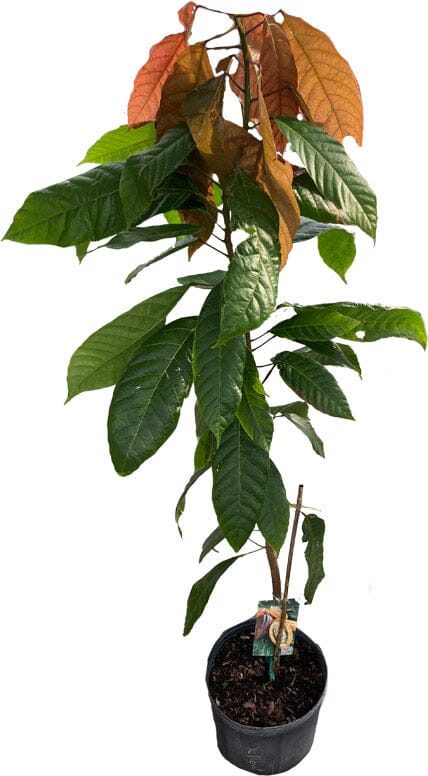
Forastero Cacao Chocolate Tree - The Robust Foundation of Fine Chocolate!
Health Benefits & Gourmet Uses:
Heart-Healthy Delights: Enjoy the potential health benefits of chocolate every day! Studies suggest that regular consumption of chocolate can help lower blood pressure and reduce the risk of heart disease. The Forastero Cacao tree, known for producing hearty and full-bodied cocoa beans, is your source for homemade, health-conscious treats.
Versatile Culinary Uses: The cocoa beans from this tree are perfect for making rich cocoa powder, luxurious cocoa butter, and of course, delicious chocolate. Cocoa butter is not just for cooking—it's also an exceptional moisturizer that helps keep your skin hydrated and youthful.
Perfect for Home Growing:
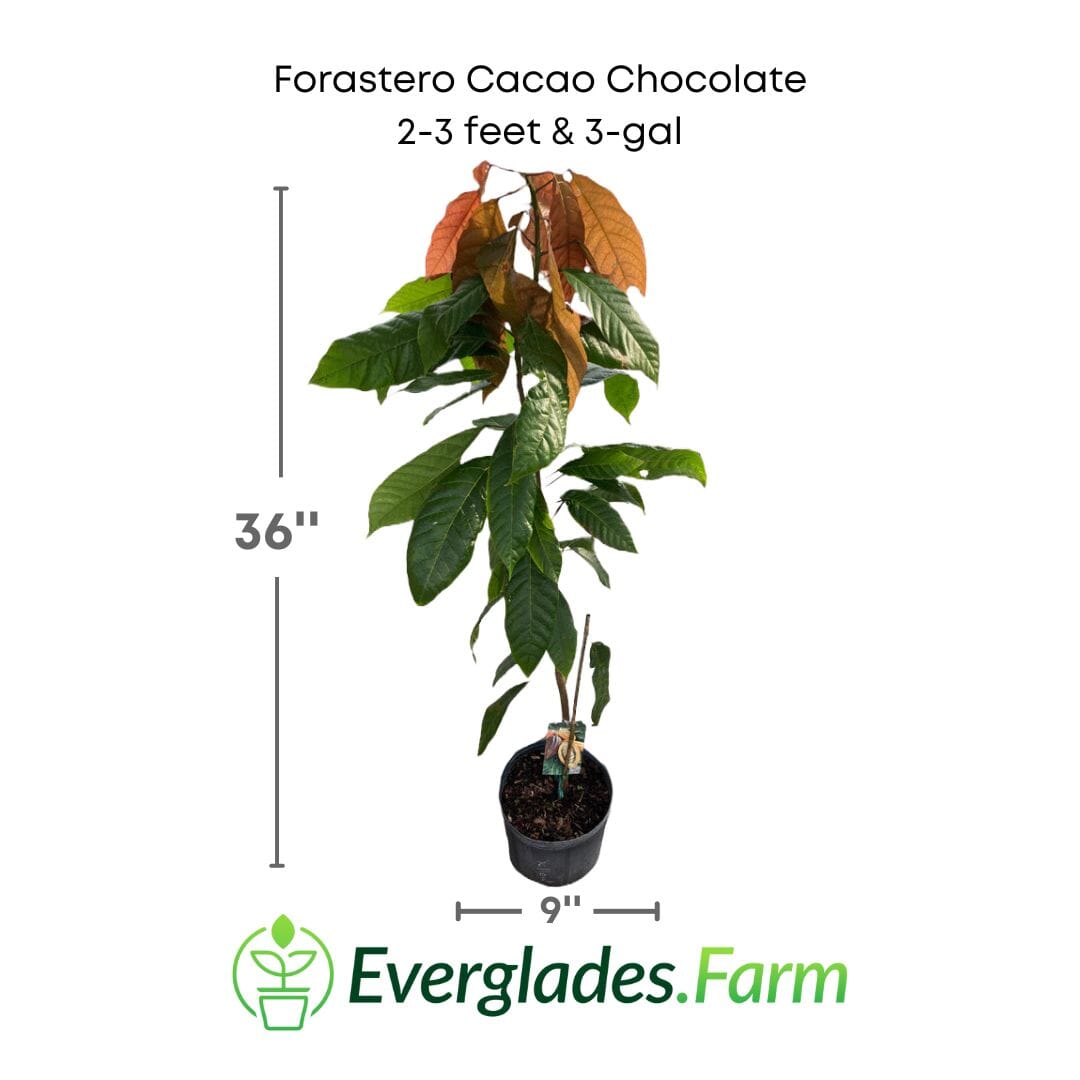
Compact and Manageable: Whether you're an experienced gardener or a beginner, the Forastero Cacao tree is an ideal choice for growing in containers. This tree reaches a mature height of 8 feet when potted, making it perfect for indoor or outdoor settings.
Current Size: The tree ships at a convenient 2-3 feet tall, including the container, making it easy to handle and plant.
Adaptable and Resilient:
Growing Zones: Suitable for Zones 4-11 when grown in containers, and Zones 9-11 for outdoor growth. It thrives in both full and partial sunlight, making it adaptable to various environments.
Ready to Grow: Your Forastero Cacao tree will arrive in a 2-gallon plastic container with nutrient-rich soil, secured with triple-layer protection to ensure it reaches you in perfect condition.
Cultivate Your Own Chocolate:
Rich and Robust: The Forastero variety is known for its strong, earthy flavor, making it the backbone of most chocolate blends. By growing your own Forastero Cacao tree, you’ll have the pleasure of creating your own chocolate recipes right from the bean.
Homegrown Chocolate: Enjoy the rewarding experience of growing, harvesting, and transforming your own cacao beans into delectable chocolate delights.
Order Your Forastero Cacao Tree Today:
Chocolate Lovers Rejoice: Take the first step toward creating your own chocolate at home with the Forastero Cacao Chocolate Tree. This resilient and productive tree is perfect for those who love the rich taste of quality chocolate. Order now and start your journey into the world of homemade chocolate!
Read: Types of Cacao Chocolate Tree: How to Growth and Harvest
👉🏻 Cacao Chocolate Tree: Steps for Successful Growth and Harvest
👉🏻 How to Grow Forastero Cacao Tree

Truly Tiny Banana Dwarf Tree
from $34.95
$49.95
Truly Tiny Banana Dwarf Tree - For Sale from Everglades Farms, Florida
Product Overview:
Add tropical charm to any space with the Truly Tiny Banana Dwarf Tree. Perfect for container gardening, this miniature marvel offers both beauty and functionality, making it a delightful addition to any garden or indoor setting.
Key Features:
Perfect for Container Gardening: Embrace the convenience of urban gardening with this miniature marvel. Standing at just 2-3 feet tall, it's the ideal size to flourish beautifully in a container, making it suitable for even limited spaces.
High-Quality Seedlings and Cuttings: Our Truly Tiny Banana Dwarf Trees are carefully nurtured from high-quality seedlings and cuttings, ensuring that you receive a healthy and vibrant plant that's poised for growth and productivity.
Flourishing in Florida's Subtropical Weather: Cultivated with care in our plant nursery nestled in the heart of Homestead, Florida, our tiny banana trees relish the benefits of our region's favorable subtropical weather. This ensures they develop into robust, thriving specimens that will captivate you with their beauty.
Ready to Thrive at 12-18 Months Old: Enjoy the pleasure of a well-established tree with our 3-gallon container offerings. These banana trees boast an average age of 12-18 months, saving you precious time and allowing you to savor the fruiting stage sooner.
Conveniently Shipped in 3-Gallon Plastic Container: Delight in the simplicity of delivery with our Truly Tiny Banana Dwarf Tree conveniently shipped in a secure 3-gallon plastic container, guaranteeing it arrives in top condition, ready to enhance your surroundings.
Enhanced with Premium Slow-Release Fertilizer: Our trees' soil is enriched with premium slow-release 8-3-9 granular fertilizer, providing your beloved banana tree with the essential nutrients it needs to thrive and produce delectable, petite bananas.
Approximate Height: Experience the joy of watching your Truly Tiny Banana Dwarf Tree reach new heights. Measuring around 2 feet or even taller (including container), this enchanting plant will be a sight to behold as it matures.
Exotic Beauty for Every Setting: Whether you're an avid gardener or new to plant care, our Truly Tiny Banana Dwarf Tree effortlessly adds a touch of exotic beauty to any setting, making it an ideal choice for both enthusiasts and beginners.
Limited Stock! Order Now: Don't miss your chance to own this delightful gem. Due to high demand and limited supply, we encourage you to place your order now and secure your Truly Tiny Banana Dwarf Tree before they're all gone.
FAQs:
What Makes the Truly Tiny Banana Dwarf Tree Ideal for Container Gardening?
Compact Size: Standing at just 2-3 feet tall, it fits perfectly in containers, ideal for small spaces or urban gardens.
How Are the Trees Shipped?
Secure Packaging: Each tree is shipped in a secure 3-gallon plastic container, ensuring it arrives in top condition.
What Care Does the Truly Tiny Banana Dwarf Tree Require?
Low Maintenance: Enhanced with premium slow-release fertilizer, the tree requires minimal care once established.
How Soon Can I Expect Fruit?
Fruiting Stage: Trees are ready to thrive and start fruiting sooner, typically around 12-18 months old.
Is This Tree Suitable for Beginners?
Easy to Grow: Perfect for both enthusiasts and beginners, adding a touch of exotic beauty to any setting.
Why Choose Everglades Farm?
Quality Assurance: We ensure our plants are healthy and ready to thrive in your garden.
Sustainability: Our nursery practices eco-friendly methods to support sustainable agriculture.
Customer Support: Expert guidance and support to help you succeed in growing your Truly Tiny Banana Dwarf Tree.
Elevate your gardening experience with the Truly Tiny Banana Dwarf Tree from Everglades Farms. Enjoy the tropical beauty and the convenience of home-grown bananas in any space. Order your tree today and bring a touch of the tropics to your home!
Read: 4 Steps to Grow a Tiny Banana Tree Successfully


Trinitao Cacao Tree Yellow, Long Ribbed – Fruit-Bearing Theobroma Cacao Tree
from $44.95
$59.95
Theobroma Cacao Tree for Sale – Yellow Cacao Fruit Tree Grown in Florida
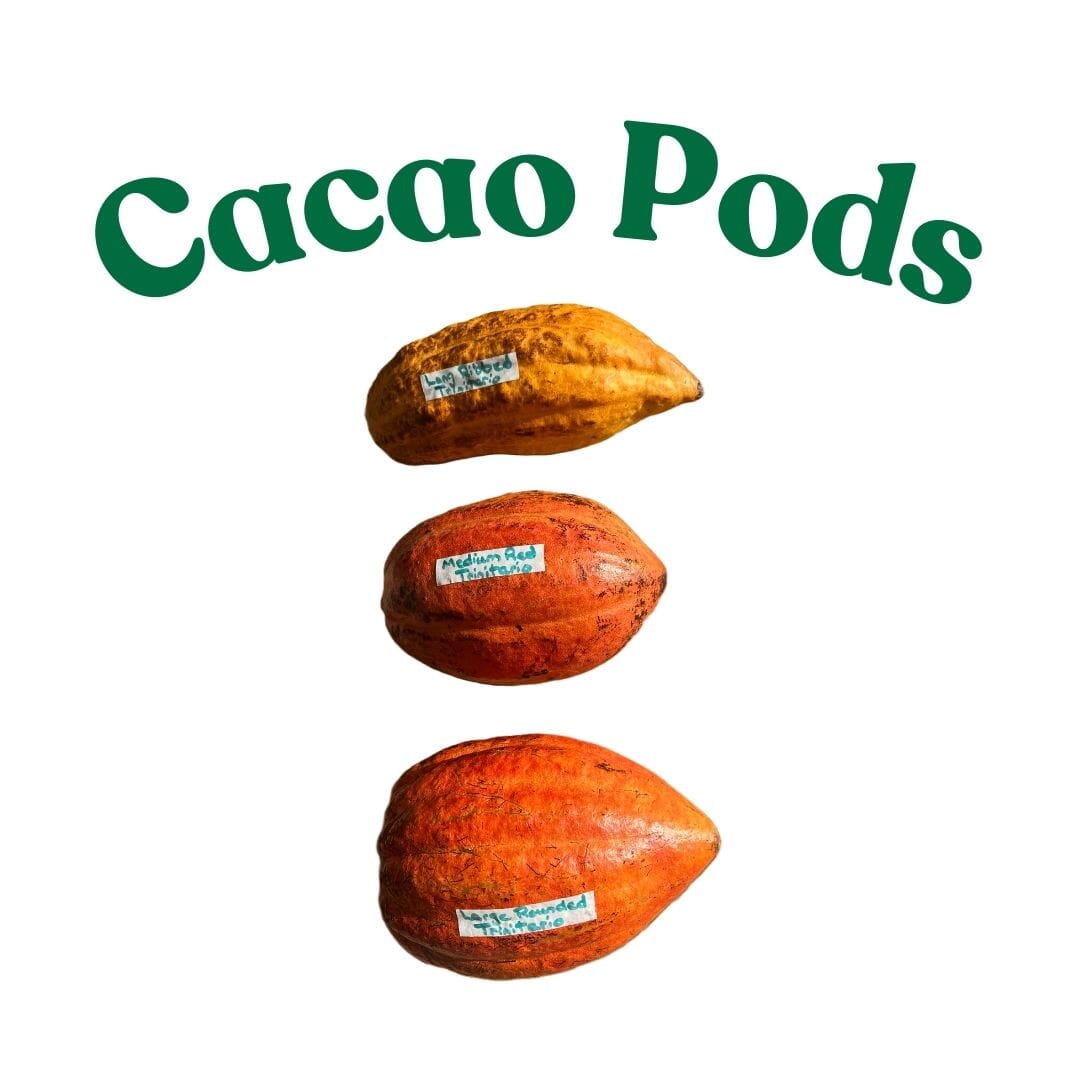
Looking to grow your own chocolate? The Chocolate Cacao Tree Yellow (Trinitario variety) is a compact and fragrant cacao tree that produces vibrant yellow pods filled with cacao beans — perfect for making homemade chocolate, cocoa powder, or cacao butter.
🌿 Grown in Florida – Cultivated in our warm and humid Florida nursery, this fast-growing Theobroma cacao tree thrives in subtropical conditions and is ideal for patios, greenhouses, or indoor container growing in cooler zones.
🍫 Cacao Tree Fruit in 3 Years – With proper care, this beautiful tree can begin producing pods within 3 years. Each fruit contains 20–30 cacao beans that can be fermented, dried, and used to make chocolate or cocoa products.
☀️ Sunlight & Size – Best grown in full to partial sun, the cacao plant reaches about 8 ft in containers and over 20 ft in the ground. Tree height at shipping:• 12–18 inches (1-gal container)• 2–3 feet (3-gal container)
📦 Shipped Ready to Grow – This chocolate cacao tree arrives in a plastic container with soil and is propagated from seedlings, making every tree a unique cultivar.
🩺 Did You Know?Rich in flavonoids and antioxidants, cacao has been linked to heart health benefits. Cacao butter, extracted from the beans, is also a natural skin moisturizer.
👉 Want expert guidance on how to care for your tree?Read: Cacao Chocolate Tree – Steps for Successful Growth and Harvest
🌱 Explore More from Everglades Farm
Discover other rare and tropical trees in our Chocolate / Cacao Trees Collection or browse the full Everglades Farm homepage for more edible plants and fruiting trees.
🛒 Ready to grow your own cacao plant?Order your Theobroma cacao plant for sale today and start your journey into chocolate-making right at home.

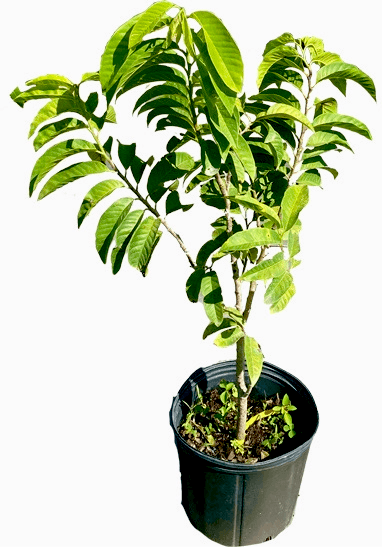
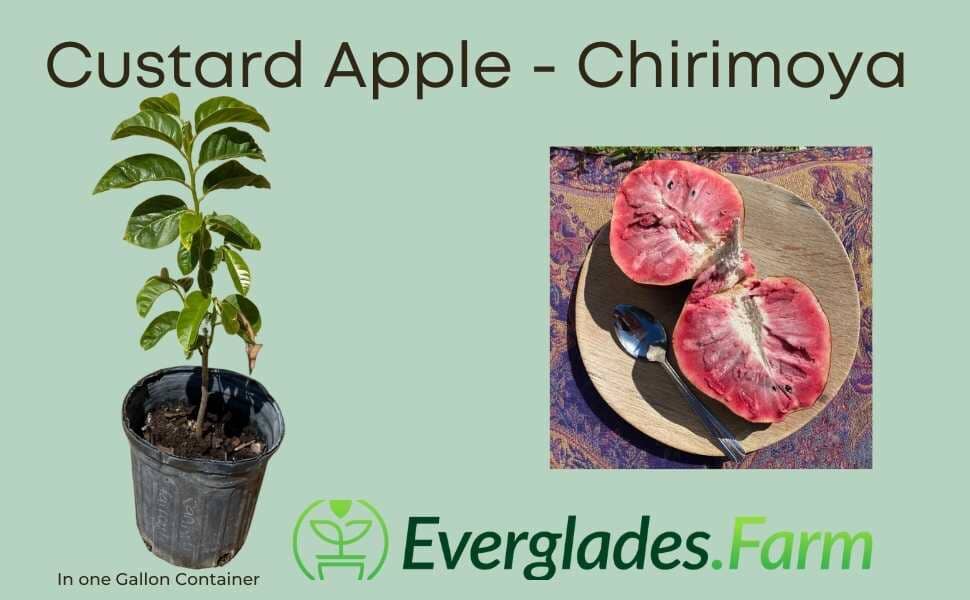
Red Custard Apple, Chirimoya Tree
from $34.95
$59.95
Red Custard Apple (Chirimoya) Tree - For Sale from Everglades Farms, Florida
Product Overview:
Indulge in the luscious sweetness of our Red Custard Apple, a true tropical delicacy. Cultivated with care in our Homestead nursery, this tree is a perfect addition to any garden, offering early fruit production and an abundance of flavor.
Key Features:
Tropical Delight: Taste the luscious sweetness of our Red Custard Apple, a true delicacy with a tropical twist.
Grown with Care: Cultivated in our Homestead nursery, benefiting from Florida's subtropical weather, ensuring a healthy and thriving plant.
Fast Fruit Production: Grown from seeds, these trees yield delectable fruits in just 2-3 years, offering an early taste of paradise.
Abundance of Flavor: Mature custard apple trees can bear an impressive bounty of 10 to 40 fruits per tree, providing you with ample delights to savor.
Easy to Grow: Embrace hassle-free gardening with our Red Custard Apple tree. It's low-maintenance and perfect for both seasoned gardeners and beginners.
How to Enjoy:
Simple Preparation: Simply pick the ripe fruits, peel the skin, and indulge in the rich, creamy goodness of the custard-like flesh.
Tropical Landscaping:
Attractive Appearance: With its attractive appearance and delicious rewards, this tree makes a stunning addition to any tropical-themed garden or landscape.
Limited Availability:
Rare and Sought-After: Don't miss out on this rare and sought-after fruit tree. Order now to secure your chance to grow this exotic gem in your own backyard.
Satisfaction Guaranteed:
Quality Assurance: Our passion for quality ensures you'll receive a healthy, robust tree ready to thrive in your garden.
Growing and Care Instructions:
Soil and Watering: Plant in well-drained, fertile soil that retains moisture. Regular watering is essential, especially during the growing season.
Sunlight Requirements: Thrives in full sun to partial shade, making it versatile for various growing conditions.
Fertilization: Use a balanced fertilizer during the growing season to encourage vigorous growth and fruit production.
Pruning: Prune to maintain shape and remove any diseased or dead branches, which helps improve air circulation and reduces the risk of disease.
Growth and Adaptability:
Fast Growth: Grown from seeds, these trees begin producing fruit in just 2-3 years.
High Yield: Mature trees can produce 10 to 40 fruits per season, offering an abundant harvest.
Special Considerations:
Cultivated in Florida: Grown in our premium plant nursery in Homestead, Florida, our Red Custard Apple Trees benefit from the region’s ideal subtropical climate, ensuring robust growth and exceptional fruit production.
Shipping Details: Shipped in a sturdy container to ensure the tree's roots remain healthy and ready for transplantation upon arrival.
Why Choose Everglades Farm?
Quality Assurance: We ensure our plants are healthy and ready to thrive in your garden.
Sustainability: Our nursery practices eco-friendly methods to support sustainable agriculture.
Customer Support: Expert guidance and support to help you succeed in growing your Red Custard Apple Tree.
Order Now to Enjoy Tropical Delight:
Experience the allure of the Red Custard Apple - an exotic treat that brings a taste of the tropics right to your doorstep. Order yours today and savor the flavor of paradise!

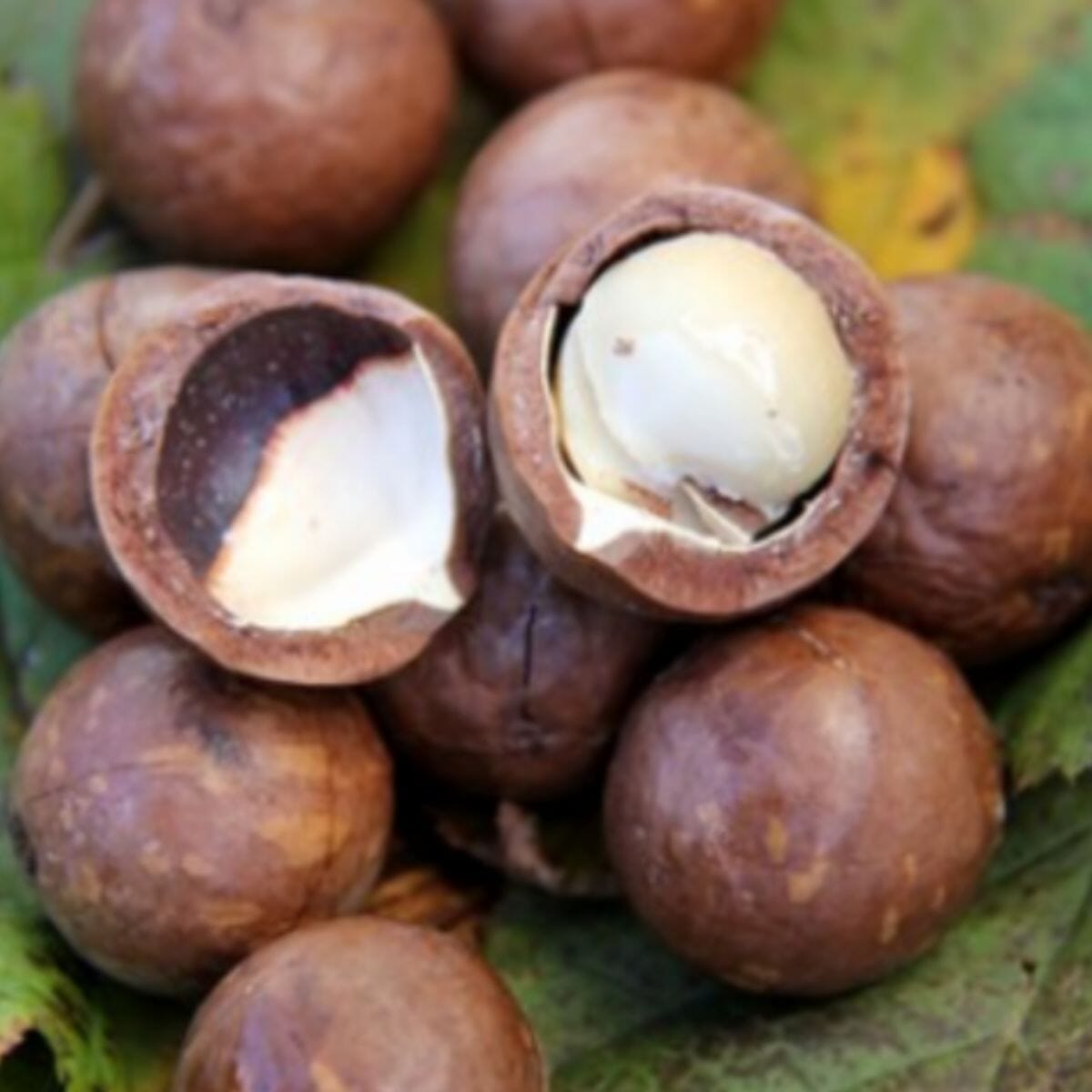
Beaumont Macadamia Nut Tree Seedling - High Yield Macadamia Integrifolia Hybrid for Gardens
from $79.95
The Beaumont Macadamia Nut Tree is a highly productive, fast-growing hybrid of Macadamia integrifolia and M. tetraphylla. It is renowned for its medium to large nut size and high oil content, making it a favorite among growers for its rich, buttery flavor and ease of cracking. This tree thrives in subtropical and tropical climates (Zones 9-11) and can tolerate mild frosts better than some other varieties. It prefers full sun, well-draining soil, and moderate watering, becoming drought-tolerant once established.
The Beaumont Macadamia is not only a valuable source of nuts but also adds ornamental value with its vibrant magenta foliage and striking pink flowers. It begins producing nuts within 4-5 years of planting and can continue bearing for decades. With proper care, it provides an abundant supply of homegrown gourmet nuts, making it a rewarding choice for food forests and edible landscapes.