


Truly Tiny Banana Dwarf Tree
from $29.95
$49.95
Truly Tiny Banana Dwarf Tree - For Sale from Everglades Farms, Florida
Product Overview:
Add tropical charm to any space with the Truly Tiny Banana Dwarf Tree. Perfect for container gardening, this miniature marvel offers both beauty and functionality, making it a delightful addition to any garden or indoor setting.
Key Features:
Perfect for Container Gardening: Embrace the convenience of urban gardening with this miniature marvel. Standing at just 2-3 feet tall, it's the ideal size to flourish beautifully in a container, making it suitable for even limited spaces.
High-Quality Seedlings and Cuttings: Our Truly Tiny Banana Dwarf Trees are carefully nurtured from high-quality seedlings and cuttings, ensuring that you receive a healthy and vibrant plant that's poised for growth and productivity.
Flourishing in Florida's Subtropical Weather: Cultivated with care in our plant nursery nestled in the heart of Homestead, Florida, our tiny banana trees relish the benefits of our region's favorable subtropical weather. This ensures they develop into robust, thriving specimens that will captivate you with their beauty.
Ready to Thrive at 12-18 Months Old: Enjoy the pleasure of a well-established tree with our 3-gallon container offerings. These banana trees boast an average age of 12-18 months, saving you precious time and allowing you to savor the fruiting stage sooner.
Conveniently Shipped in 3-Gallon Plastic Container: Delight in the simplicity of delivery with our Truly Tiny Banana Dwarf Tree conveniently shipped in a secure 3-gallon plastic container, guaranteeing it arrives in top condition, ready to enhance your surroundings.
Enhanced with Premium Slow-Release Fertilizer: Our trees' soil is enriched with premium slow-release 8-3-9 granular fertilizer, providing your beloved banana tree with the essential nutrients it needs to thrive and produce delectable, petite bananas.
Approximate Height: Experience the joy of watching your Truly Tiny Banana Dwarf Tree reach new heights. Measuring around 2 feet or even taller (including container), this enchanting plant will be a sight to behold as it matures.
Exotic Beauty for Every Setting: Whether you're an avid gardener or new to plant care, our Truly Tiny Banana Dwarf Tree effortlessly adds a touch of exotic beauty to any setting, making it an ideal choice for both enthusiasts and beginners.
Limited Stock! Order Now: Don't miss your chance to own this delightful gem. Due to high demand and limited supply, we encourage you to place your order now and secure your Truly Tiny Banana Dwarf Tree before they're all gone.
FAQs:
What Makes the Truly Tiny Banana Dwarf Tree Ideal for Container Gardening?
Compact Size: Standing at just 2-3 feet tall, it fits perfectly in containers, ideal for small spaces or urban gardens.
How Are the Trees Shipped?
Secure Packaging: Each tree is shipped in a secure 3-gallon plastic container, ensuring it arrives in top condition.
What Care Does the Truly Tiny Banana Dwarf Tree Require?
Low Maintenance: Enhanced with premium slow-release fertilizer, the tree requires minimal care once established.
How Soon Can I Expect Fruit?
Fruiting Stage: Trees are ready to thrive and start fruiting sooner, typically around 12-18 months old.
Is This Tree Suitable for Beginners?
Easy to Grow: Perfect for both enthusiasts and beginners, adding a touch of exotic beauty to any setting.
Why Choose Everglades Farm?
Quality Assurance: We ensure our plants are healthy and ready to thrive in your garden.
Sustainability: Our nursery practices eco-friendly methods to support sustainable agriculture.
Customer Support: Expert guidance and support to help you succeed in growing your Truly Tiny Banana Dwarf Tree.
Elevate your gardening experience with the Truly Tiny Banana Dwarf Tree from Everglades Farms. Enjoy the tropical beauty and the convenience of home-grown bananas in any space. Order your tree today and bring a touch of the tropics to your home!
Read: 4 Steps to Grow a Tiny Banana Tree Successfully


Mountain Sweet Granadilla Plant Exotic Passiflora ligularis from Guatemala Yellow Fruit (ripe)
from $29.95
$59.95
Bring a taste of tropical paradise to your garden with our exquisite Mountain Sweet Granadilla plant, sourced directly from the lush highlands of Guatemala. This rare and exotic Passiflora ligularis vine is now available at Everglades.Farm, ready to transform your outdoor space into a vibrant oasis.
Product Features
Native to Central America: Thrives in elevations between 3,000 and 8,850 feet
Fruit Characteristics:
Size: 6-8 cm long, 3-5 cm in diameter
Shape: Elongated, oblong to oval
Rind: Smooth, firm, and thick
Color: Ripens from green to orange-yellow
Taste Profile: Bright, sweet, and tangy with tropical and floral undertones
Benefits of Growing Mountain Granadilla
Exotic Fruit Production: Enjoy homegrown granadillas with a delicious, aromatic pulp
Ornamental Value: Beautiful climbing vine with striking flowers
Health Benefits: Rich in Vitamins A and C, antioxidants, and dietary fiber
Versatile Usage: Perfect for fresh eating, desserts, and beverages
Cultivation Tips
Planting Time: Best planted in late winter to mid-spring after frost danger has passed
Sun Exposure: Full sun or morning sun in very hot areas
Soil Requirements: Well-draining soil enriched with compost
Support Structure: Requires a strong trellis or support system
Watering: Keep soil consistently moist but not waterlogged
Why Choose Our Mountain Granadilla Plant?
Premium Quality: Carefully nurtured 1-gallon pot, ready for transplanting
Rare Variety: Authentic Guatemalan strain, not commonly found in local nurseries
Expert Care: Grown with passion at Everglades.Farm
Sustainable Packaging: Eco-friendly materials used for shipping
Transform your garden into a tropical haven and savor the unique flavors of Mountain Granadilla. Order now and start your exotic fruit-growing journey with Everglades.Farm!

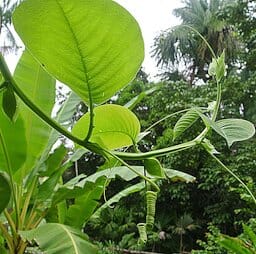


Giant Granadilla Plant
from $29.37
$59.95
Giant Granadilla Plant - World's Largest Passion Fruit Vine
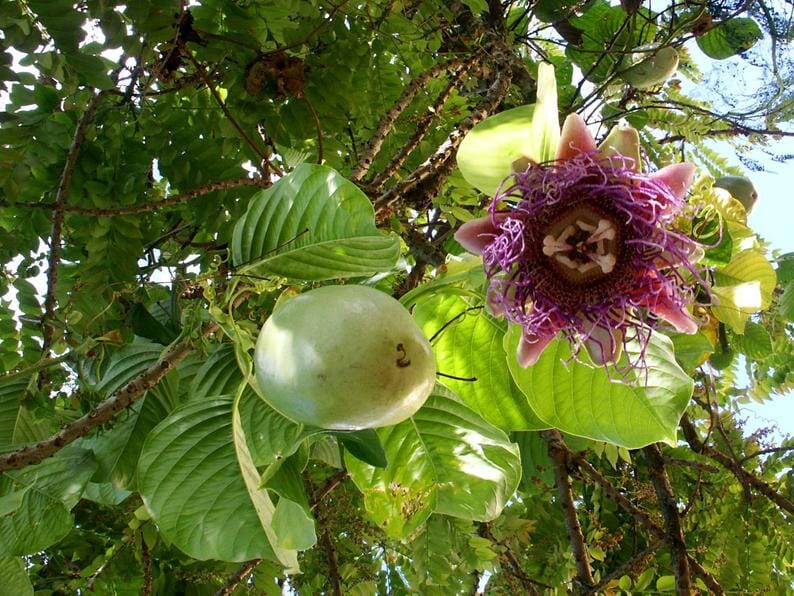
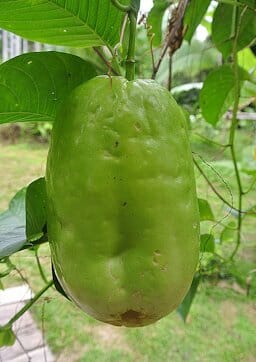
Discover the exceptional features of the Giant Granadilla Plant, a captivating fusion of passion fruit and melon-like qualities. This remarkable plant, thriving in Zones 8-11, offers a bounty of delectable fruits that are not only visually stunning but also delightfully versatile in culinary applications. Here's why you should consider adding the Giant Granadilla Plant to your garden:
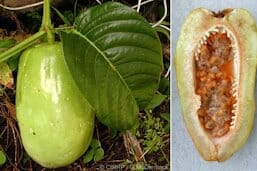
Melon-Like Marvel: Experience the wonder of a passion fruit vine that bears fruits resembling melons, creating a truly unique and eye-catching addition to your garden or landscape.
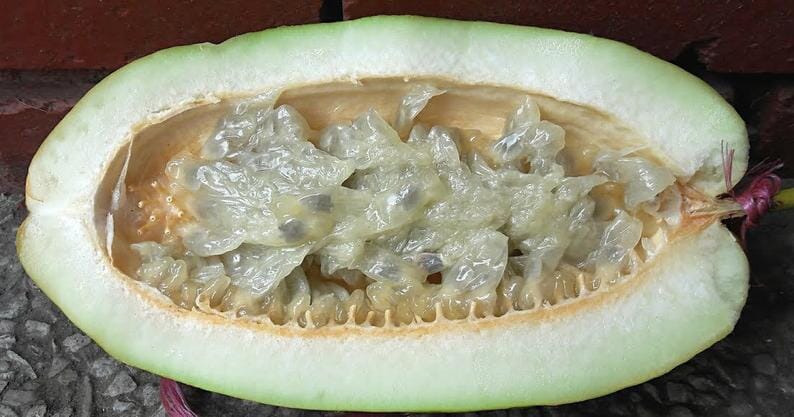
Sensational Sweetness: Indulge in the incredibly sweet seeds of the Giant Granadilla fruit. Whether relishing them fresh or enjoying them in luscious juices, the delectable sweetness is a taste sensation like no other.
Culinary Versatility: Beyond its enchanting appearance, the Giant Granadilla fruit offers diverse culinary possibilities. When not fully ripe, the fruit's flesh can be used as a delectable substitute for squash in various dishes, adding a distinctive twist to your culinary creations.
Garden-to-Table Freshness: Elevate your dining experiences by cultivating your own Giant Granadilla Plant. Harvest the fruits at their peak, ensuring the freshest flavors for your meals, snacks, or beverages.
A Tropical Treasure: Despite its lush tropical origins, the Giant Granadilla Plant can flourish in a range of climates, from Zone 8 to Zone 11. Enjoy a taste of the tropics in your very own garden, no matter your geographical location.
Gardening Adventure: Cultivating the Giant Granadilla Plant provides an exciting gardening adventure. Witness the sprawling vines as they climb and flourish, transforming your outdoor space into a vibrant and productive oasis.
Aesthetic Delight: The Giant Granadilla Plant is not only a source of delectable treats but also a captivating ornamental addition. The lush foliage, intricate flowers, and intriguing fruits create an aesthetic ensemble that enhances the beauty of your surroundings.
Engage the Senses: Immerse yourself in the multi-sensory experience offered by the Giant Granadilla Plant. From the delicate fragrance of the blossoms to the tactile pleasure of harvesting, this plant engages all your senses.
Educational Journey: Embark on a journey of botanical discovery with the Giant Granadilla Plant. Explore its growth patterns, learn about its habitat, and uncover the secrets of successful cultivation, enriching your understanding of the natural world.
Elevate your gardening endeavors and culinary adventures with the Giant Granadilla Plant. Embrace the extraordinary blend of melon-like aesthetics and passion fruit sweetness, and relish in the boundless possibilities this exceptional vine brings to your outdoor space and dining table.

Tomate de Arbol | Tree Tomato | Tamarillo
$27.95
$37.95
Meet the Tomate de Arbol, also known as the Tree Tomato or Tamarillo, a vibrant and nutritious fruit native to the Andean highlands of South America. This versatile fruit is not only a delight to taste but also packed with numerous health benefits.
Key Features:
Nutritional Profile: Rich in vitamins A and C, iron, and dietary fiber, making it an excellent addition to a healthy diet.
Culinary Uses: Enjoy it as a sweet and tangy juice, blend into a spicy salsa, or use in chutneys and desserts.
Appearance: The fruit is egg-shaped, ranging in color from yellow to red and purple, with a firm texture and a sweet-tart taste.
Health Benefits: Supports heart health, aids in blood sugar regulation, and offers antioxidant properties that may help prevent certain cancers.


Pigeon Plum (Coccoloba diversifolia)
$24.95
Florida Native Shade Tree with Edible, Wildlife-Friendly Fruit
Pigeon Plum (Coccoloba diversifolia) is a hardy, salt- and drought-tolerant native tree found along Florida’s coasts and throughout the Caribbean. A member of the seagrape family, this evergreen tree is prized for its smooth gray bark, glossy green foliage, and clusters of small purple-black fruits. The berries are edible—sweet-tart with a hint of astringency—and can be enjoyed fresh, made into jams, or fermented into wine. True to its name, they are a favorite food source for pigeons and many other birds, making Pigeon Plum an excellent choice for wildlife gardens, food forests, and coastal restoration plantings.
Why Grow Pigeon Plum?
Florida native tree adapted to sandy soils and coastal conditions
Produces clusters of small edible fruits loved by people and birds
Evergreen shade tree with attractive bark and foliage
Excellent for pollinators, wildlife habitat, and food forests
Tolerates drought, salt spray, and tough growing conditions
Growing Tips
Plant Pigeon Plum in full sun to partial shade. It thrives in sandy, rocky, or limestone soils with good drainage and is naturally salt-tolerant, making it ideal for coastal landscapes. Once established, it requires little supplemental water. Prune lightly to shape when young; mature trees develop a naturally attractive rounded canopy. Pigeon Plum is hardy in USDA Zones 9b–11. Slow to moderate in growth, but long-lived and resilient.
Cultural & Culinary Significance
For centuries, the Pigeon Plum has been valued by coastal communities for both its hardy wood and edible fruit. While small, the fruits are traditionally eaten fresh, dried, or made into jams and wines. In Florida, the tree has cultural importance as a native species used in landscaping, restoration, and as a food source for wildlife. Its resilience to salt spray and drought makes it a staple for sustainable and low-maintenance plantings.
For centuries, the Pigeon Plum has been valued by coastal communities for both its hardy wood and edible fruit. While small, the fruits are traditionally eaten fresh, dried, or made into jams and wines. In Florida, the tree has cultural importance as a native species used in landscaping, restoration, and as a food source for wildlife. Its resilience to salt spray and drought makes it a staple for sustainable and low-maintenance plantings.


Pond Apple (Annona glabra)
from $24.95
Resilient Wetland Fruit Tree
Common Names: Pond Apple, Alligator Apple, Swamp Apple, Monkey Apple, Bobwood, Corkwood, Custard Apple, Wild Custard AppleFamily: AnnonaceaeOrigin: Tropical Americas, including the Caribbean, Florida, Central, and South America
Pond Apple (Annona glabra) is a unique tropical fruit tree that thrives in wetlands and swampy areas, making it highly adaptable to waterlogged soils where few other fruit trees can survive. Native to tropical regions of the Americas, the Pond Apple produces small, greenish-yellow fruits with a sweet, mild flavor. Although the fruits are not widely cultivated for commercial use, they are consumed locally in some areas and play an essential ecological role in supporting wildlife. The tree is fast-growing, resilient, and an important part of wetland ecosystems, making it a valuable addition to tropical gardens, especially in waterlogged environments.
Distinctive Features, Uses, and Ecological Importance
Fruits: The fruits of the Pond Apple are round to oval, greenish-yellow when ripe, and about the size of a small mango. The flesh inside is soft, white, and slightly sweet, though its flavor can be somewhat bland compared to other Annona species. The fruit contains numerous seeds and is sometimes used to make jams, jellies, or beverages. It is also a key food source for wildlife, including alligators, hence its nickname “Alligator Apple.”
Foliage: The tree has large, leathery, glossy green leaves that are elongated and lance-shaped, giving it a lush, tropical appearance.
Growth Habit: Pond Apple is a fast-growing, evergreen tree that can reach heights of 20-40 feet, with a broad, spreading canopy. Its ability to tolerate waterlogged soils makes it an ideal choice for wetlands, swamps, and flood-prone areas.
Ecological and Traditional Uses
Pond Apple plays an important role in tropical ecosystems, providing food for wildlife, including birds, fish, and reptiles. The tree’s dense root system helps stabilize wetland soils, reducing erosion and improving water quality. Traditionally, parts of the tree, such as the leaves and bark, have been used in folk medicine for their potential medicinal properties, including treating fevers and digestive issues.


African Dream Root (Silene undulata syn. Silene capensis)
$24.95
Silene capensis or African Dream Root is a very rare and sacred flowering perennial herb indigenous to the Green River Valleys of the eastern cape of South Africa. It is in the Carnation family of plants and has beautiful white flowers. This unique ground-dwelling herb is easy to grow and has drought tolerance, but generally requires good moisture and well-draining soil. It's best to wait two years before harvesting the root of the plant for spiritual or medicinal use. When planting be sure to provide adequate room for root growth. Plants are fairly cold hardy and are suitable for containers. Trimming the tops will promote growth. Our African Dream Root is propagated by seed and prefers to grow in a small to medium sized, low-lying habits and can reach up to 2 ft in height.

Grape 'Blanc du Bois' (Vitis vinifera)
from $24.95
Grow your own wine! The 'Blanc du Bois' Grape is considered to be one of the best performing grapevine varieties in the southern states due to its ability to tolerate and even thrive in the heat and humidity. Blanc du Bois produces large clusters of fruit weighing up to 3 pounds! It is fast growing, disease resistant, low maintenance and self-fertile. It is a great quality grape used to make a wide range of wines such as dry, semi-sweet, blush, port, and sparkling or champagne blends. This is an early season variety.


Greek Mountain Tea (Sideritis scardica)
$24.95
Greek Mountain Tea, also known as Ironwort, Mountain Tea, or Shepherd's Tea, is a perennial evergreen herb or small shrub well known for it's fuzzy succulent foliage, fragrant orange bell-shaped flowers, and medicinal properties. It grows abundantly in Mediterranean regions and is native to Greece. Prepared as a tea (dried flowers, leaves, stems), it may aid in digestion, strengthen the immune system and suppress colds, sinus congestion, even pain and mild anxiety.

La Cach (Premna serratifolia)
$24.95
Medicinal and Aromatic Coastal Shrub
Common Names: La Cach, Coastal Premna, Headache Tree, Agara, Arani, VasaFamily: LamiaceaeOrigin: Tropical and subtropical regions of Asia, Australia, and the Pacific Islands
Premna serratifolia, commonly known as La Cach or Coastal Premna, is a hardy shrub or small tree known for its medicinal properties and aromatic leaves. This plant is often found growing in coastal areas and tropical forests, thriving in warm, humid environments. La Cach is widely used in traditional medicine, particularly in Southeast Asia and India, where its leaves, roots, and bark are used to treat a variety of ailments. The leaves are fragrant and are sometimes used as a spice in cooking. This versatile plant is drought-tolerant, resilient to coastal winds, and adds both medicinal and ornamental value to gardens.
Distinctive Features, Uses, and Nutritional Value
Foliage: La Cach has oval to lance-shaped, serrated leaves that are aromatic when crushed. The leaves are used in traditional medicine for their anti-inflammatory, analgesic, and antimicrobial properties. La Cach plants flower and produce seeds year-round, but it is really cultivated for its foliage. The young leaves and tender shoots are typically cooked and eaten as greens or used to wrap meat or veggies with and grilled. The leaves, flowers, and roots of La Cach are known for their purported medicinal qualities in the Ayurveda, Siddha and Unani systems of medicine.
Flowers: The plant produces small, greenish-white flowers in clusters, which attract pollinators such as bees and butterflies. La Cach always gets a lot of attention during our Food Forest Tours due to it's unique appearance, beautiful deep purple berries (only harvested for seed) and eye-catching flowers. It has a shrubby habit and makes a great ornamental hedge that always attracts a large number of butterflies and other pollinators.
Growth Habit: Premna serratifolia grows as a shrub or small tree, reaching up to 10-20 feet tall. It has a bushy, spreading habit and can be pruned to maintain a smaller size.
Medicinal and Culinary Uses
La Cach is highly valued in traditional medicine. The leaves, roots, and bark are used to treat fever, headaches, respiratory issues, and digestive disorders. It is also known to have anti-inflammatory and antimicrobial properties, making it a common remedy for wounds and infections. In addition to its medicinal uses, the aromatic leaves can be used as a spice in cooking, particularly in Southeast Asian cuisine. The leaves are sometimes added to soups or stews for their fragrance and flavor.


Kiwi 'Prolific' (Actinidia arguta)
$24.95
Hardy, Fruit-Bearing Kiwi Vine
Common Names: Kiwi ‘Prolific’, Hardy KiwiFamily: ActinidiaceaeOrigin: East Asia (China, Japan, Korea)
Kiwi ‘Prolific’ (Actinidia arguta) is a hardy kiwi variety that produces small, smooth-skinned, grape-sized fruits bursting with sweet, tangy flavor. Unlike traditional fuzzy kiwis, the ‘Prolific’ kiwi can be eaten whole, skin and all. Known for its cold-hardiness, this vigorous, deciduous vine is perfect for growing in temperate climates where traditional kiwi varieties struggle. With its fast growth and ability to bear fruit in just 3-4 years, the Kiwi ‘Prolific’ is a favorite among gardeners looking for a productive and easy-to-grow fruiting vine.
Fruits: Kiwi ‘Prolific’ produces small, smooth, grape-like fruits with a sweet, mildly tangy flavor. The fruits are completely edible, including the thin skin, which sets them apart from the larger, fuzzier kiwi varieties. Rich in vitamin C, potassium, and fiber, the fruits are highly nutritious and perfect for fresh eating, adding to fruit salads, or blending into smoothies.
Foliage: The vine has lush, heart-shaped green leaves that provide an attractive, ornamental quality in the garden. In the fall, the leaves turn a striking yellow, adding seasonal interest.
Growth Habit: Kiwi ‘Prolific’ is a fast-growing, deciduous climbing vine that can grow up to 15-20 feet tall if provided with proper support. It is well-suited to trellises, pergolas, or arbors, making it a productive and ornamental addition to any garden.
Culinary and Ornamental Uses: The small, smooth-skinned fruits of the Kiwi ‘Prolific’ are perfect for fresh eating due to their sweet and tangy flavor. They can be eaten whole or used in fruit salads, desserts, smoothies, or even preserved as jams and jellies. In addition to its delicious fruit, the vine adds ornamental value to the garden with its lush foliage and fast-growing, vining habit, making it ideal for covering structures or creating natural privacy screens.


Jabuticaba (Plinia cauliflora)
from $24.95
Grape-Like Fruit Grows on the Trunk—Truly Magical!Sweet, tropical, and visually stunning from bark to bloom.
Jaboticaba, also known as the Brazilian Grape Tree or Jabuticaba, is a rare tropical fruiting tree native to Brazil that produces deep purple, grape-like fruits directly on its trunk and branches—a botanical rarity called cauliflory. The fruit is sweet, juicy, and full of flavor, with tart skins and soft, translucent pulp often compared to muscadine grape, lychee, and plum. Perfect fresh or transformed into wine, jelly, or liqueur, this treasure is a must-grow for rare fruit lovers and edible landscape enthusiasts.
This small evergreen tree is just as ornamental as it is productive, with smooth mottled bark, glossy green foliage, and showy white blooms that emerge straight from the trunk. Slow-growing but long-lived, Jaboticaba forms a compact, vase-shaped canopy ideal for food forests, tropical gardens, or container growing—even bonsai.
Thriving in rich, moist, slightly acidic soil and partial to full sun, Jaboticaba is hardy in Zones 9-11 and tolerant of light frost. With patience and consistent watering, especially during flowering and fruiting, you’ll be rewarded with one of the most conversation-worthy fruits on Earth.


Pomegranate 'Kara Bala Miursal' Punica granatum)
$24.95
Rare Black Jewel Pomegranate with Deep Color & Rich Flavor
‘Kara Bala Miursal’ is one of the rarest and most sought-after pomegranate cultivars, originally hailing from the Caucasus region and Central Asia, where pomegranates have been revered for thousands of years. The name "Kara Bala" translates to "Black Baby" — a nod to its extraordinarily dark, almost black-skinned fruit and intensely colored arils. The flavor is complex: sweet, tangy, and rich, with a depth that sets it apart from standard varieties. This hardy, drought-tolerant shrub is perfect for collectors and gardeners looking for a unique and productive addition to their edible landscape, food forest, or permaculture design.
Why Grow Pomegranate 'Kara Bala Miursal'?
Produces extremely dark-skinned fruit with deep red-black arils
Sweet-tart, rich flavor highly prized by collectors and connoisseurs
Cold-hardy and drought-tolerant once established
Beautiful ornamental value with showy red-orange flowers
Excellent for fresh eating, juicing, preserving, and culinary use
Growing Tips
Plant Kara Bala Miursal in full sun for best fruit production. It thrives in well-drained, loamy to sandy soil and tolerates both alkaline and slightly acidic conditions. Water regularly while young; once established, it’s highly drought-tolerant. Prune in late winter to encourage airflow, remove crossing branches, and promote larger fruit. In colder zones (as low as USDA Zone 7), some winter protection may be helpful during extreme cold snaps. This variety can be grown in containers where winters are harsh. Propagate by hardwood cuttings for best genetic consistency.

False Cardamom (Alpinia mutica)
$24.95
Despite the common name false cardamom, Alpinia mutica is a plant that will truly earn its place in your garden, your kitchen, and yes, your heart. This lush, green bundle of tropical euphoria will gently lure your senses with its aroma of cinnamon and citrus. ‘False’ varieties of cardamom are harvested for their leaves, not seeds as when you grow ‘true’ varieties of cardamom. Use Alpinia mutica leaves the same way you would use other cardamom plant varieties to spice up your life: The leaves add flavoring to warm teas, desserts, rice, fish, and more.
Alpinia mutica will add a gentle wave of green to your garden. This plant prefers a warm, shady climate, where it can thrive without much fuss. It will thrive in warm, humid conditions that are similar to its swampy, native forest habitats in Southeast Asia.


Passiflora Suberosa (Corky Stem Passion Fruit)
from $24.95
Passiflora suberosa, also known as the Corky Stem Passion Fruit, is a native species to Florida and other tropical and subtropical regions of the Americas. This distinctive variety is recognized for its corky texture along the stems, giving it an exotic and rugged appeal. The small, blue-black fruits are edible and beloved by wildlife. Thriving in well-drained soils and warmer temperatures, this Florida native is an excellent choice for gardeners looking to incorporate native species while creating a lush, tropical garden environment.


Annatto Achiote (Bixa orellana)
$24.95
Vibrant Natural Dye and Spice
Common Names: Annatto, Achiote, Lipstick Tree, Urucum, RoucouFamily: BixaceaeOrigin: Tropical Americas
Annatto (Bixa orellana), also known as Achiote or the Lipstick Tree, is a tropical shrub or small tree native to the Americas, prized for its bright red seeds used as a natural dye and spice. The seeds, contained within spiny red pods, produce a vivid yellow to orange dye, traditionally used for coloring food, cosmetics, and textiles. In cooking, annatto seeds are used for their mild, earthy flavor, often added to dishes for color and flavor enhancement, especially in Latin American and Caribbean cuisines. Besides its culinary and cosmetic uses, annatto has been valued for its medicinal properties, offering antioxidant and anti-inflammatory benefits.
Distinctive Features, Uses, and Nutritional Value
Seeds: Annatto seeds are small, reddish-brown, and stored inside prickly, heart-shaped pods. The seeds are ground into powder or steeped in oil to create a natural food coloring or spice. They have a mild, peppery flavor with hints of nutmeg and are used in rice dishes, stews, and marinades.
Foliage and Flowers: The tree produces heart-shaped, bright green leaves and clusters of pink to white flowers that bloom throughout the year.
Growth Habit: Annatto grows as a shrub or small tree, reaching 6-20 feet in height, with a bushy, upright growth habit. It is well-suited to tropical and subtropical gardens.
Culinary and Medicinal Uses
In the kitchen, annatto seeds are used to add a warm, golden color and subtle flavor to a variety of dishes, including arroz con pollo, tamales, and adobo. It is also the natural colorant in cheeses like cheddar and butter. Annatto oil, made by steeping the seeds in oil, is a popular ingredient in Latin American and Caribbean cuisine.
Medicinally, annatto has been used in traditional medicine for its antioxidant, antimicrobial, and anti-inflammatory properties. The seeds and leaves have been used to treat digestive issues, skin conditions, and high blood pressure. The plant is also rich in tocotrienols, a form of vitamin E, which supports skin and heart health.


Cherimoya (Annona cherimola)
from $24.95
Cherimoya, also called the Custard Apple, is one of the most celebrated tropical fruits in the world—so much so that Mark Twain famously called it “the most delicious fruit known to men.” Native to the Andean valleys of South America, this small, semi-deciduous tree produces large, heart-shaped green fruits with soft, custard-like white flesh. The flavor is a decadent blend of banana, pineapple, strawberry, and vanilla cream. Cherimoya is cherished for fresh eating but also used in smoothies, ice creams, and desserts. With its lush foliage and prized fruit, it’s a dream tree for rare fruit collectors and permaculture gardeners.
Why Grow Cherimoya?
Produces large, sweet, custard-like fruits with a tropical, complex flavor
Considered one of the best-tasting fruits in the world
Beautiful tree with lush, semi-deciduous foliage
Excellent addition to food forests, edible landscapes, and rare fruit collections
High in vitamin C, fiber, and antioxidants
Growing Tips
Cherimoya thrives in full sun with protection from extreme heat and wind. Plant in rich, well-drained soil, and water regularly to keep soil evenly moist. It prefers mild subtropical climates (USDA Zones 9b–11) and is not frost-tolerant when young. In cooler climates, grow in a large container and overwinter indoors. Hand-pollination is often recommended for reliable fruit set, as natural pollinators may be limited outside its native range. Prune in late winter to shape the tree and encourage new growth. Grafted trees may produce fruit within 1-2 years, seedlings within 3-4 years.
Cultural & Culinary Significance
Cherimoya has been cultivated in the Andean highlands for thousands of years, where it remains a cultural staple. The name chirimoya means “cold seeds” in Quechua, reflecting its ability to grow in cool, high-altitude valleys. Today, it’s prized worldwide for its luscious, creamy texture and complex flavor—often eaten with a spoon straight from the fruit, blended into smoothies, or made into custards, ice creams, and tropical desserts


Calea Dream Herb (Calea Zacatechichi)
$24.95
Calea Zacatechichi, also known as Calea ternifolia, is a flowering plant from the Daisy family. It is commonly found in its native habitat on exposed and disturbed hillsides in Mexico and Central America. The plant grows to be a small bush or shrub, and features small yellow-white flowers. It goes by the common names of Mexican Dream Herb and Bitter Grass (due to it's bitter tasting leaves). The word Zacatechichi is a Nahuatl word that means 'bitter'.
Calea Zacatechichi is one of the plants that make up the Aztec Entheogenic Plant complex- the many plants that the ancient Aztec peoples viewed as sacred, and used within their religious ceremonies for divination and healing. The plant is revered for it's ability to induce powerful, vivid, memorable, and sometimes strangely prophetic dreams. The traditional native use is to smoke the dried leaf material in a cigarette prior to going to bed, or as a boiled tea. Those interested in the dreaming effects of this plant should note that there is variation in the strength of these effects, depending on the strain of the plant, and the concentration of active constituents within the plant.
Calea Zacatechichi is an unique and interesting plant, perfect to add to any hobbyists garden! This is the bitter variety. Our plants have performed well in sandy soil with full sun.


Hojas de Salat (Neea psychotrioides)
$24.95
Rare Tropical Tree with Edible Leaves and Rich Cultural Heritage
The Hoja de Salat (Neea psychotrioides), also known as Salat Tree or Hoja Salad, is a rare tropical evergreen native to Central America and parts of the Caribbean. This slow-growing tree or large shrub features shiny, deep-green leaves that are both edible and aromatic, used traditionally as a fresh green or flavorful wrap in regional cuisines. Its smooth gray bark, dense branching habit, and lush canopy make it a beautiful ornamental addition to tropical and subtropical gardens. Beyond its beauty, Neea psychotrioides carries deep cultural and ecological value, thriving in hot, humid climates where few leafy edibles can.
Cultural & Culinary Significance
In Central America—particularly Belize, Honduras, and Guatemala—Hoja de Salat has long been prized for its edible, mildly tangy leaves, which are eaten fresh in salads, wrapped around other foods, or used as herbal greens. In traditional foodways, it bridges the worlds of nourishment and medicine: the leaves are sometimes steeped for teas or tonics believed to support digestion and vitality. Its versatility and resilience have made it a beloved home garden plant across tropical regions, where it’s as much a part of daily cooking as it is a part of living cultural heritage.
Why Grow Hoja de Salat?
Rare tropical evergreen with edible, salad-quality leaves
Traditional food plant across Central America and the Caribbean
Dense, glossy foliage adds beauty and texture to edible landscapes
Tolerant of heat, humidity, and varied tropical soils
Connects your garden to centuries of cultural and culinary tradition


Mulberry 'Pakistan' (Morus nigra)
from $24.95
The Pakistan (or Pakistani) Mulberry is an exotic and rare mulberry variety that bears large, long black mulberry fruit. Each fruit is 3 to 5 inches in length nearly twice the size of standard black mulberries. Sweet, juicy, and full of flavor, these impressive fruits are as striking as they are delicious.Great performer!


Senegal Date (Phoenix reclinata)
$24.95
Graceful, Hardy, and Edible Palm
Common Names: Senegal Date Palm, African Wild Date Palm, Reclinata PalmFamily: ArecaceaeOrigin: Tropical and Subtropical Africa, Madagascar
Senegal Date Palm (Phoenix reclinata) is a beautiful, multi-trunked palm tree native to tropical and subtropical Africa, known for its elegant, arching fronds and edible fruit. This hardy palm is highly versatile, growing in a wide range of soils and climates, making it a popular choice for landscaping in both tropical and subtropical regions. The fruit, while smaller and less fleshy than the cultivated date (Phoenix dactylifera), is still edible and enjoyed by both people and wildlife. With its graceful, feathery leaves and attractive, clumping growth habit, Senegal Date Palm adds an exotic and lush element to any garden or landscape.
Distinctive Features, Uses, and Edible Value
Fruits: Senegal Date Palm produces small, oval, orange-brown fruits that resemble dates. While not as sweet or fleshy as commercial dates, they are edible and often used by local populations in their native regions. The fruit is a good source of fiber and nutrients and is often consumed fresh or dried.
Foliage: The palm’s long, feathery fronds are made up of narrow leaflets, creating an elegant, arching canopy. The leaves can grow up to 10-15 feet in length, giving the tree a tropical, lush appearance.
Growth Habit: Senegal Date Palm has a clumping, multi-trunked growth habit, often forming a dense cluster of slender trunks. The tree can grow up to 20-40 feet tall with a spread of 15-25 feet, making it a striking feature in landscapes.
Ornamental and Practical Uses
Senegal Date Palm is commonly used in landscaping for its aesthetic appeal, providing shade and an exotic look to gardens, parks, and urban settings. The palm’s multi-trunked form and graceful leaves make it an excellent focal point in tropical and subtropical gardens. In its native regions, the palm is also valued for its edible fruit and is used in agroforestry for its ability to thrive in difficult conditions.


Rose Apple (Syzygium jambos)
from $24.95
The Rose Apple, part of the Myrtaceae family (without any actual relation to roses or apples), tastes like a field of wild roses, condensed. Its yellow, mealy flesh can be eaten raw or cooked, and its creamy-white flowers can be candied to eat or cut to decorate.
Native to East Indies and Malaya, the Rose Apple, also known as the plum rose, malabar plum or poma rosa, tastes best when picked crisp and eaten immediately. You can prune the tree into a dense hedgerow or a tasty living fencepost, as the Guatamalans do, or let the Rose Apple stretch its canopy and reach its 40 ft. potential. You choose how you’d like to see the Rose Apple take shape! It’s easy-on-the-eyes, no matter what shape or size.


Yerba Mate (Ilex paraguariensis)
from $24.95
Yerba Mate is an evergreen tree in the Holly family (Aquifoliaceae), native to the steamy subtropics of South America. Indigenous people of Paraguay first brewed the dried leaves into a delicious beverage that is high in caffeine, antioxidants, and micronutrients. It is a commonly used beverage in South America, and now it is gaining popularity worldwide as an alternative to coffee that boosts energy, burns fat, and reduces cholesterol.
Fragrant white flowers bloom on the tree during the late fall and early winter and develop into bright red ornamental berries in the spring. The thick, leathery leaves can be harvested and dried at any time of the year when the foliage has become full on the tree. It will grow to 50 feet high outdoors and can also be grown as a container plant indoors or outdoors.
Yerba Mate will grow in full sun to partial shade in rich, loamy, well-draining soil that is never allowed to dry out. It prefers warm, humid conditions and is hardy in USDA zones 8 to 11.

Purple Forest Guava (Psidium eugeniaefolia)
$24.95
Exotic, Flavorful Tropical Gem
Common Names: Purple Forest Guava, Brazilian GuavaFamily: MyrtaceaeOrigin: Tropical South America, primarily Brazil
Purple Forest Guava (Psidium eugeniaefolia) is a rare and exotic tropical fruit tree native to the rainforests of South America. This small to medium-sized tree is admired for its unique, dark purple-skinned fruit, which offers a delicious, sweet-tart flavor. Known for its attractive, glossy foliage and ornamental value, the Purple Forest Guava is also highly sought after for its nutrient-packed fruits that can be eaten fresh or used in a variety of culinary applications. This tropical guava species thrives in warm climates and is ideal for gardeners looking to grow an unusual and productive fruit tree.
Distinctive Features, Uses, and Nutritional Value
Fruits: The fruits of the Purple Forest Guava are small, round, and deep purple to black when fully ripe. The flesh is sweet and aromatic, with a distinct tanginess that makes it a favorite for fresh eating, juices, and jams. The fruits are rich in vitamin C, fiber, and antioxidants, making them both nutritious and flavorful.
Foliage: The tree features glossy, dark green leaves that contrast beautifully with the rich purple fruit. The foliage is aromatic when crushed, typical of guava species, and adds ornamental value to any garden.
Growth Habit: Purple Forest Guava grows as a small to medium-sized tree or large shrub, reaching up to 10-20 feet tall, depending on growing conditions. It has a bushy, compact growth habit, making it suitable for small spaces or container growing.
Culinary and Medicinal Uses
The fruit of the Purple Forest Guava is highly versatile and can be eaten fresh, made into refreshing juices, or used in jams, jellies, and desserts. The sweet-tart flavor pairs well with tropical dishes and can be incorporated into smoothies or fruit salads. The fruit is also prized for making preserves and sauces.
Medicinally, guavas are known for their high vitamin C content, which supports immune health, aids in collagen production, and protects against free radicals. The fruit’s high fiber content promotes digestive health, while the antioxidants help reduce inflammation and support overall well-being.