



Jamun (Syzygium cumini)
from $19.95
Jamun, Java Plum, Jambul, Black Plum, or Jambolan, is a tall evergreen tree in the Myrtle family (Myrtaceae), native to India and naturalized in Southeast Asia and tropical regions worldwide. It is commonly grown as an ornamental shade tree and for its edible, dark purple fruits
Jamun reaches heights of 80 to 100 feet tall, and at maturity, has a beautiful spreading crown. Fragrant, cream-colored flowers bloom on the branches during the spring and develop into plum-sized green fruits that ripen to dark purple. When ripe, they are sweet and tangy and can be eaten fresh in salads or smoothies, or made into wine, vinegar, sauces, jams, jellies, or sorbets. Jamun fruits are highly nutritious and are a good source of antioxidants, phytochemicals, and vitamin C. In Ayurvedic medicine, they are used to prevent diabetes, for digestive problems, and as a blood purifier. Culturally, they are considered a “fruit of the gods” and are mentioned in sacred Hindu texts.
Jamun thrives in tropical regions but its cold hardiness makes it an excellent fruit tree to grow outdoors in subtropical climates. It grows best in moist, well-draining soils in full sun and is hardy in USDA zones 9 to 11.


Java Ginseng (Talinum paniculatum)
from $19.95
Hardy, Nutritious Leafy Green
Common Names: Java Ginseng, Fame Flower, Pink Baby’s Breath, Philippine GinsengFamily: TalinaceaeOrigin: Tropical Americas and Southeast Asia
Java Ginseng (Talinum paniculatum) is a fast-growing, hardy plant known for its medicinal uses and nutritional value. Despite its common name, Java Ginseng is not related to true ginseng but is widely used in traditional medicine for its health-boosting properties. This leafy green plant features fleshy, succulent leaves and delicate, pink flowers, making it both an edible and ornamental addition to gardens. The plant is easy to grow and is highly valued for its leaves, which can be consumed fresh in salads or cooked like spinach. Java Ginseng is known to be rich in vitamins, minerals, and antioxidants, supporting overall wellness.
Distinctive Features, Uses, and Nutritional Value
Leaves: Java Ginseng produces fleshy, succulent leaves that are high in vitamins A, C, and K, as well as calcium and iron. The leaves have a slightly tangy, spinach-like flavor and can be eaten fresh in salads or cooked in soups and stir-fries. These leaves are also used in traditional medicine, where they are believed to boost energy, improve immune function, and support general health.
Flowers: The plant blooms with clusters of small, pink or magenta flowers on tall, slender stems, adding ornamental value to gardens. These delicate flowers attract pollinators, making Java Ginseng an attractive option for wildlife gardens.
Growth Habit: Java Ginseng is a hardy perennial that grows rapidly in warm climates, reaching 2-3 feet tall. Its tolerance for a variety of soil types and minimal care requirements make it an ideal choice for beginner gardeners.
Java Ginseng: The Hardy, Nutritious Leafy Green
Botanical Name: Talinum paniculatumCommon Names: Java Ginseng, Fame Flower, Pink Baby’s Breath, Philippine GinsengFamily: TalinaceaeOrigin: Tropical Americas and Southeast Asia
Java Ginseng (Talinum paniculatum) is a fast-growing, hardy plant known for its medicinal uses and nutritional value. Despite its common name, Java Ginseng is not related to true ginseng but is widely used in traditional medicine for its health-boosting properties. This leafy green plant features fleshy, succulent leaves and delicate, pink flowers, making it both an edible and ornamental addition to gardens. The plant is easy to grow and is highly valued for its leaves, which can be consumed fresh in salads or cooked like spinach. Java Ginseng is known to be rich in vitamins, minerals, and antioxidants, supporting overall wellness.
Distinctive Features, Uses, and Nutritional Value
Leaves: Java Ginseng produces fleshy, succulent leaves that are high in vitamins A, C, and K, as well as calcium and iron. The leaves have a slightly tangy, spinach-like flavor and can be eaten fresh in salads or cooked in soups and stir-fries. These leaves are also used in traditional medicine, where they are believed to boost energy, improve immune function, and support general health.Flowers: The plant blooms with clusters of small, pink or magenta flowers on tall, slender stems, adding ornamental value to gardens. These delicate flowers attract pollinators, making Java Ginseng an attractive option for wildlife gardens.Growth Habit: Java Ginseng is a hardy perennial that grows rapidly in warm climates, reaching 2-3 feet tall. Its tolerance for a variety of soil types and minimal care requirements make it an ideal choice for beginner gardeners.
Medicinal and Culinary Uses
Java Ginseng is widely used in Southeast Asian cuisine and traditional medicine. Its nutrient-rich leaves are incorporated into salads, soups, and stir-fries, while in folk medicine, it is believed to enhance stamina, lower blood sugar, and aid digestion. The plant is also used in herbal teas and tonics to promote general wellness.


Jelly Palm (Butia capitata)
from $19.95
Hardy, Fruit-Bearing Ornamental Palm
Common Names: Jelly Palm, Pindo Palm, Wine PalmFamily: ArecaceaeOrigin: South America (Brazil, Uruguay, Argentina)
The Jelly Palm (Butia capitata), also known as the Pindo Palm or Wine Palm, is a hardy, slow-growing palm tree native to South America. Known for its arching, feathery fronds and its delicious, sweet-tart fruit, the Jelly Palm is both an ornamental and a productive fruit-bearing tree. The tree produces clusters of small, orange-yellow fruits that taste like loquats and can be eaten fresh or used to make jellies, jams, and wine, hence its common name. Adaptable to a range of climates, the Jelly Palm is tolerant of cold temperatures, making it a great addition to gardens in temperate regions.
Distinctive Features, Uses, and Nutritional Value
Fruits: The Jelly Palm produces clusters of round, orange to yellow fruits that have a sweet and tangy flavor, similar to pineapple and apricot. These fruits can be eaten fresh, used in preserves, or fermented to make wine. The fruits are rich in vitamins A and C and are known for their refreshing taste.
Foliage: The palm has long, feathery, bluish-green fronds that arch gracefully from a stout trunk, adding a tropical touch to landscapes. The fronds can reach up to 10 feet long.
Growth Habit: Jelly Palm grows as a slow-growing, clumping palm that can reach 10-20 feet tall. It has a rounded crown, making it ideal for ornamental use in gardens and landscapes.
Culinary and Ornamental Uses
The fruits of the Jelly Palm are highly valued for their sweet-tart flavor, often used to make jelly, jam, and even wine. The fruit is also enjoyed fresh, especially in tropical and subtropical regions. Beyond its edible fruit, the palm is prized for its ornamental appeal, with its arching fronds and sturdy trunk providing an exotic look to any garden or landscape.


Job's Tears (Coix lacryma-jobi)
$19.95
Job's Tears is a tropical grass native to Southeast Asia, and has been naturalized in Southern America as well as the Caribbean. Job's Tears is a member of the grass and rice family of plants (poaceae). Wide ornamental blades grow upright and arch at their ends. Long, beautiful spikes of grain are produced in the warm seasons, swelling into gorgeous strings of seeds that resemble pearls, or tears. This unique grain is often described as resembling barley in both size, color and form. The plant is self-seeding annually, and is a perennial around the east coast and in warmer climates. This plant creates an excellent textured foliage, making it a great hedge plant. It's also well-suited to grow in containers, easily reaching heights of 4 to 6ft. It is best to plant Job's Tears during the rainy season, in Spring (right now!!). Grain heads will sprout and be ready for ample harvest as the weather becomes more dry. Job's Tears has several edible uses, primarily as a cereal grain. In Asia it is commonly used to make grain alcohol that is often sweetened and combined with spices. A milk like drink similar to Horchata can be made from the grains as well. Medicinally, the bran is known to have cancer fighting properties. The pea-shaped grains of the plant naturally have a hole that easily allows for stringing of the grains. They are moisture resistant, and durable and are often used to make necklaces and rosaries due to the added symbolism of the tear-shape.

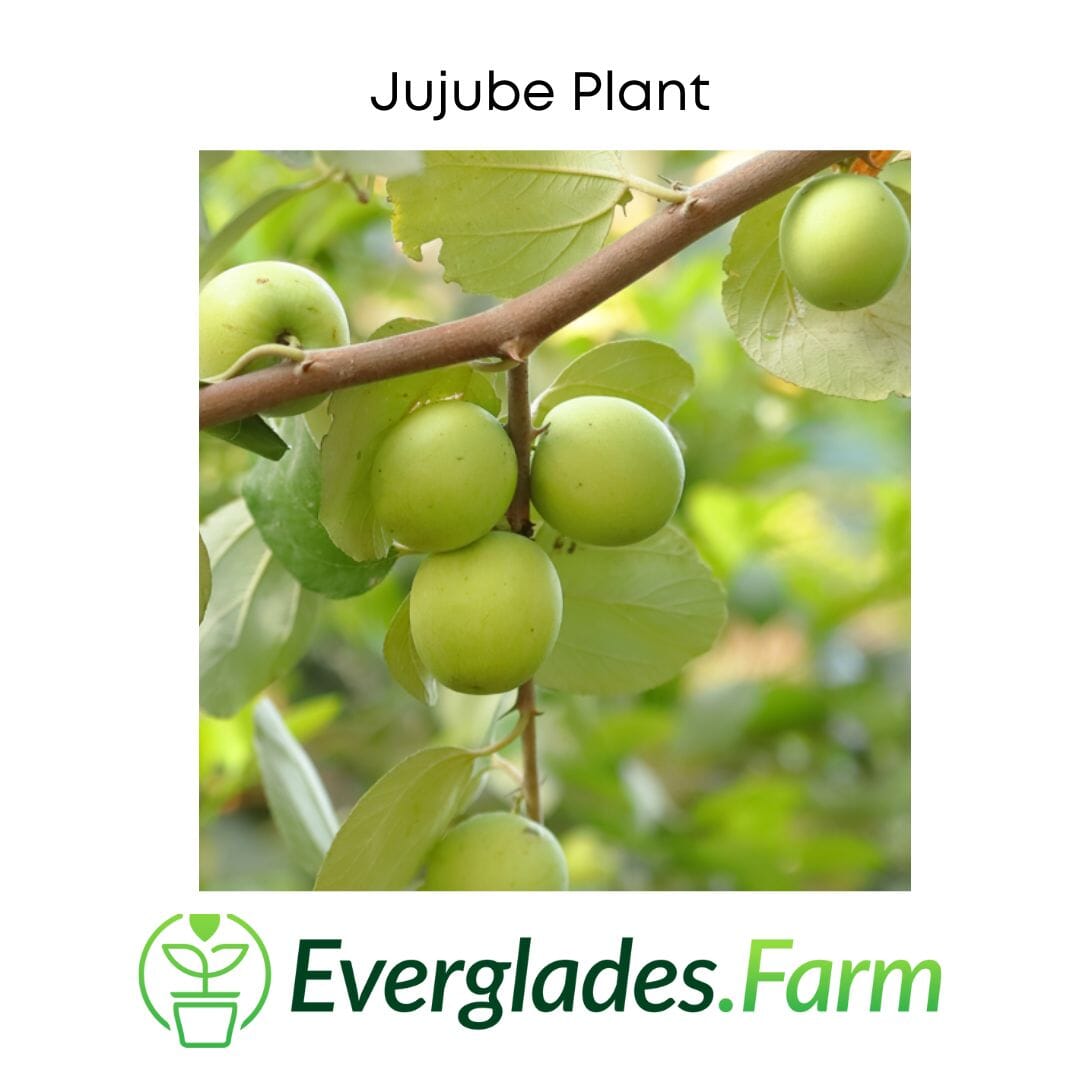
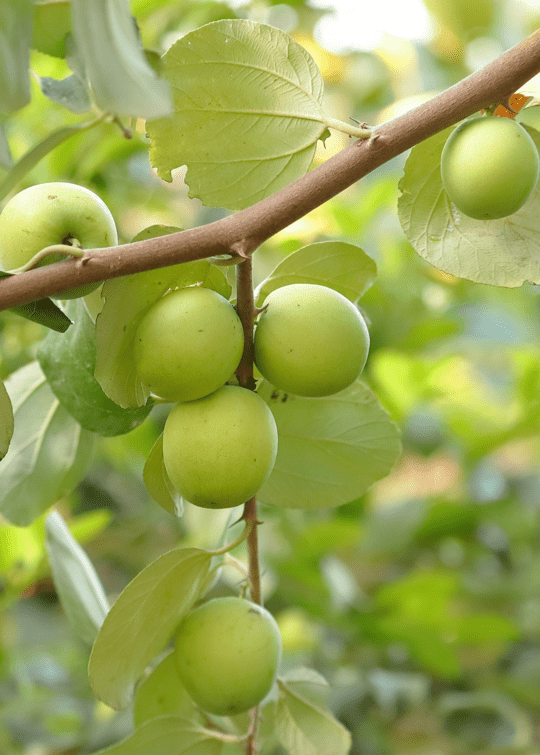
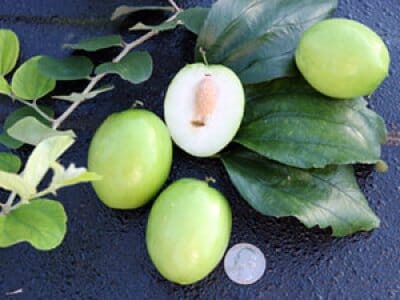
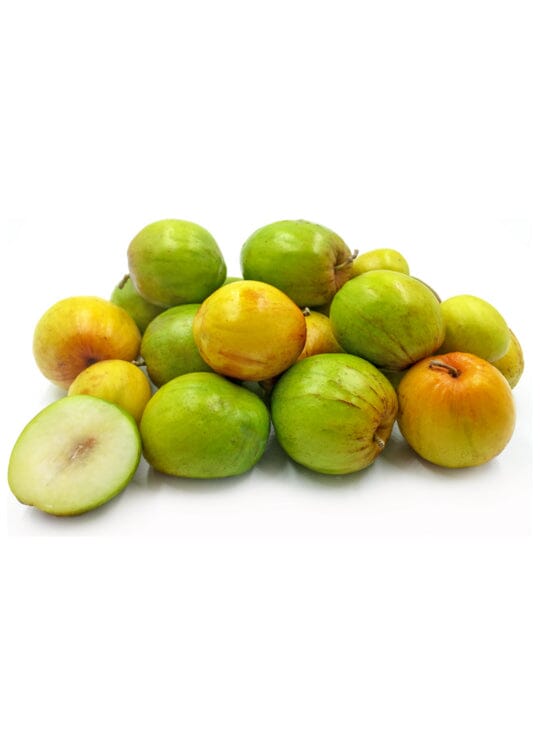
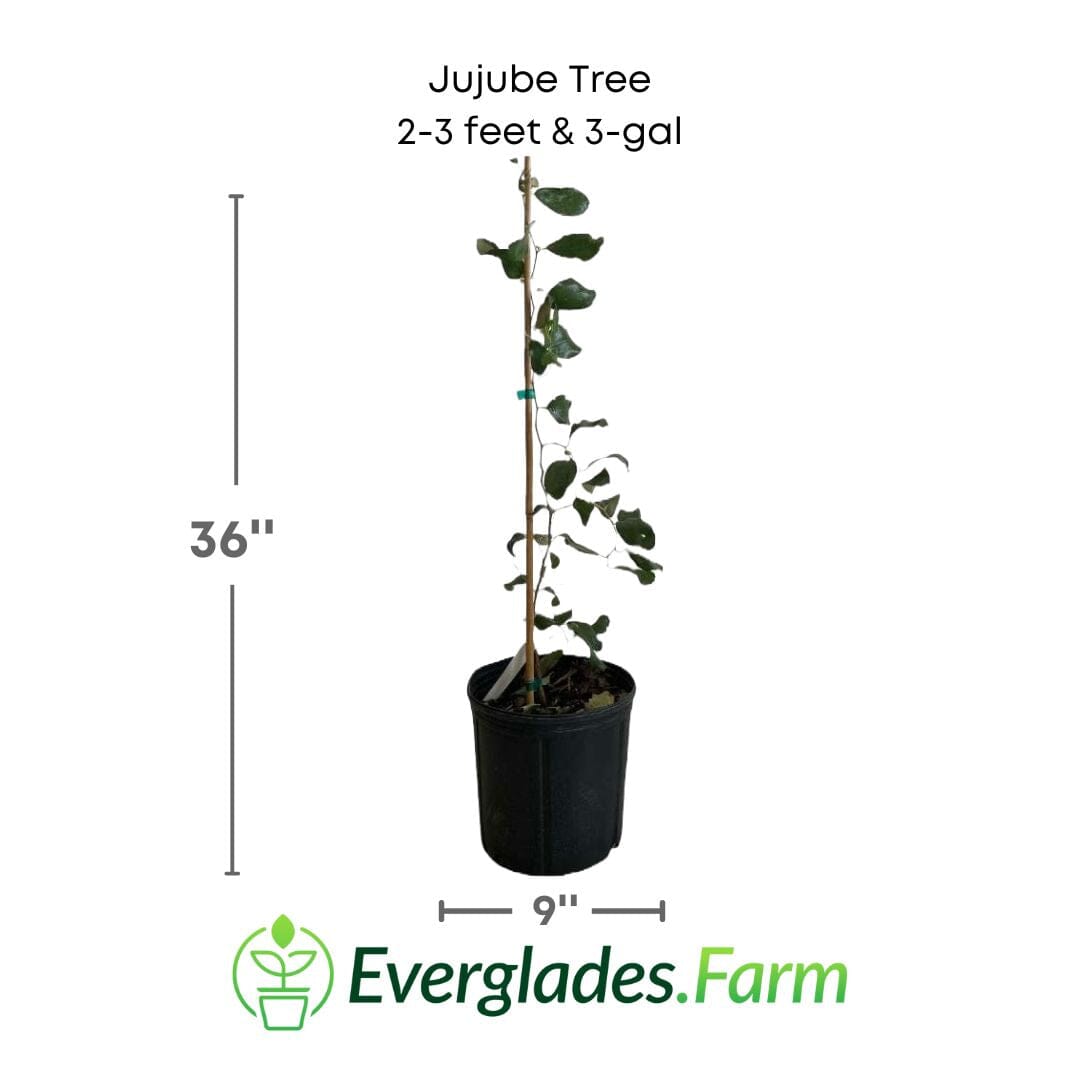
Jujube Tree Grafted
from $39.95
$49.95
Having the texture and flavor of an apple, the jujube are often referred to as manzana or manzanita, meaning apple or little apple in Spanish. It is an important commercial fruit crop in Thailand, Vietnam and India, and it is grown on smaller scales throughout Malaysia and Australia. The trees are bush-like, with a weeping habit, and they will bear fruit at just two to three years of age. Jujubes are known to be extremely prolific producers.

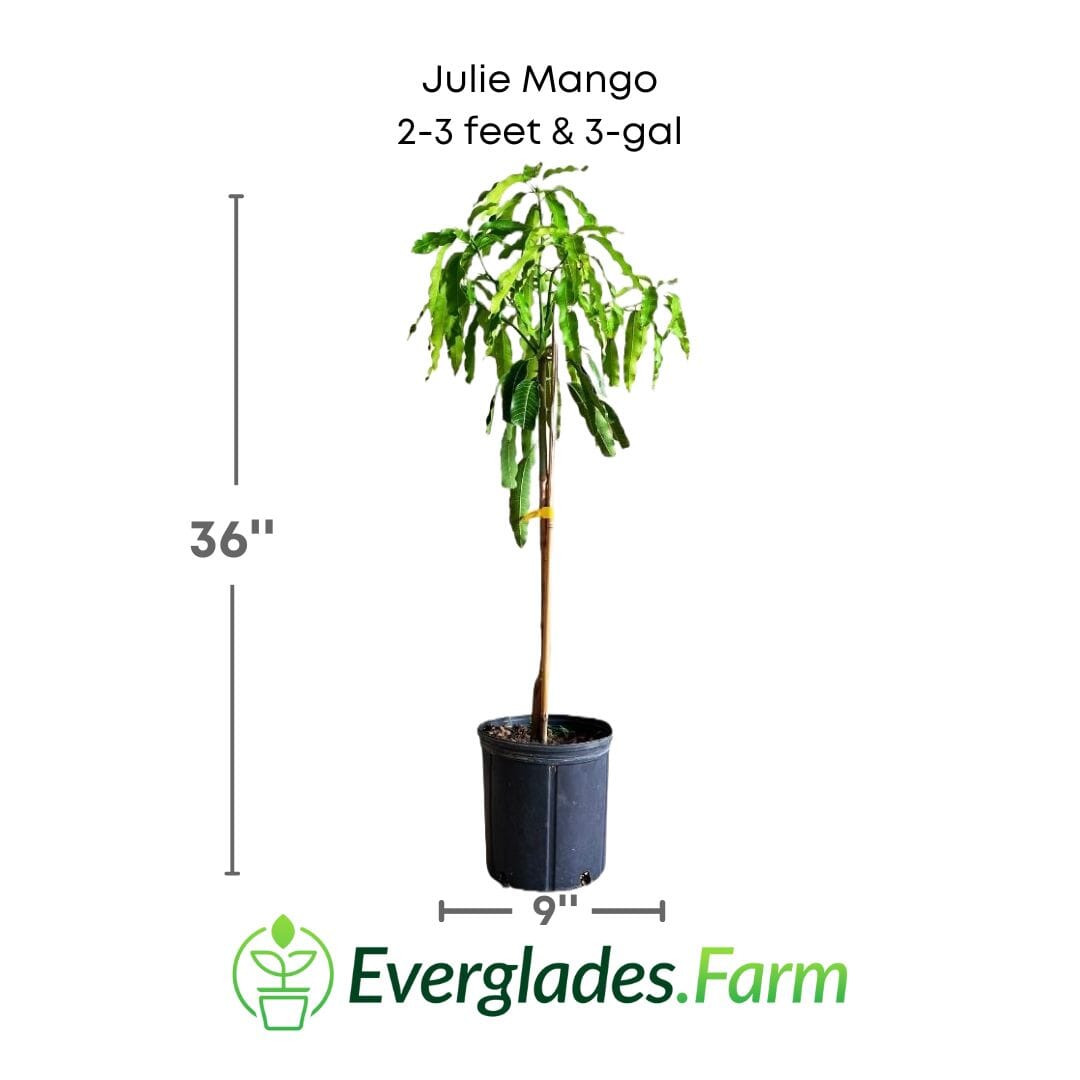
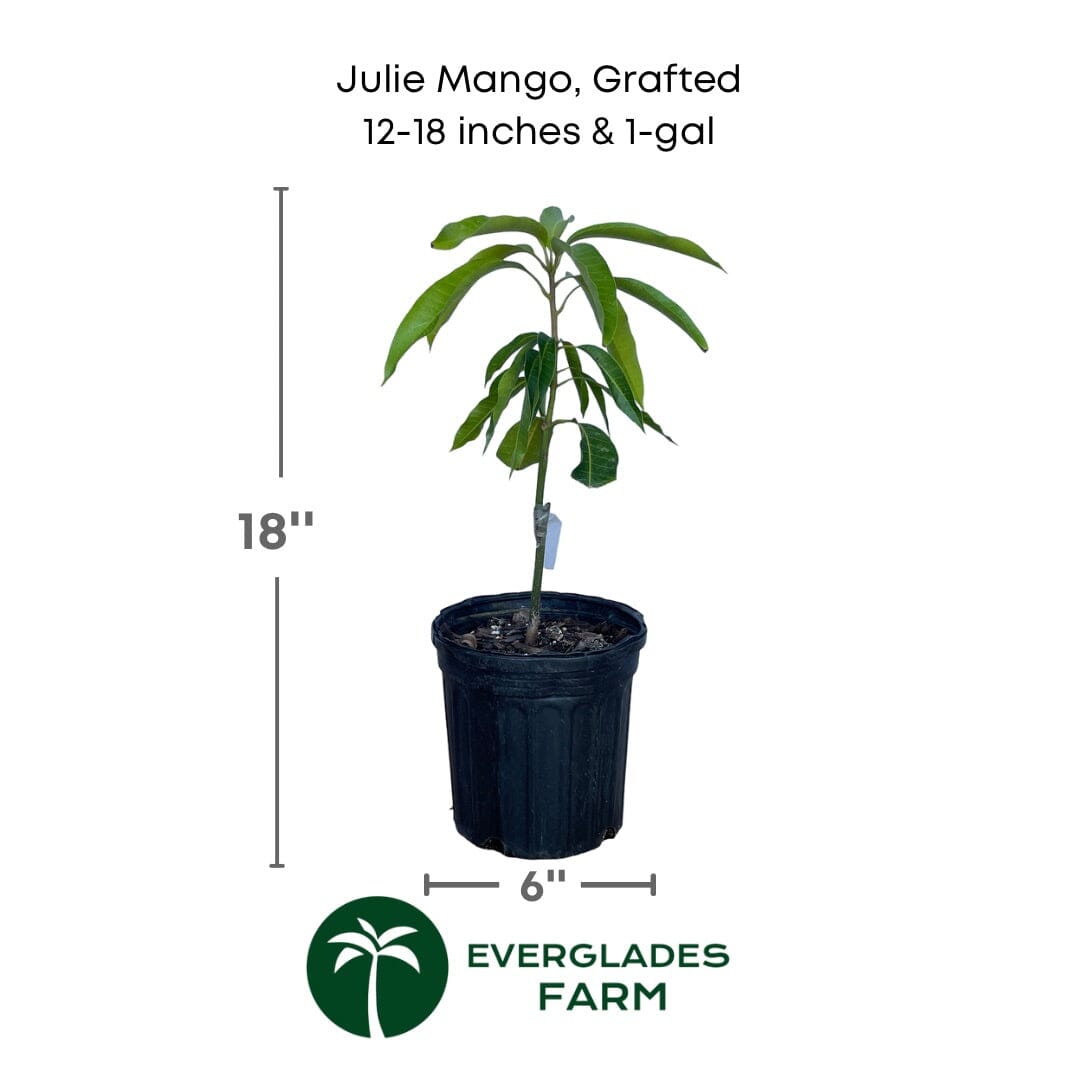
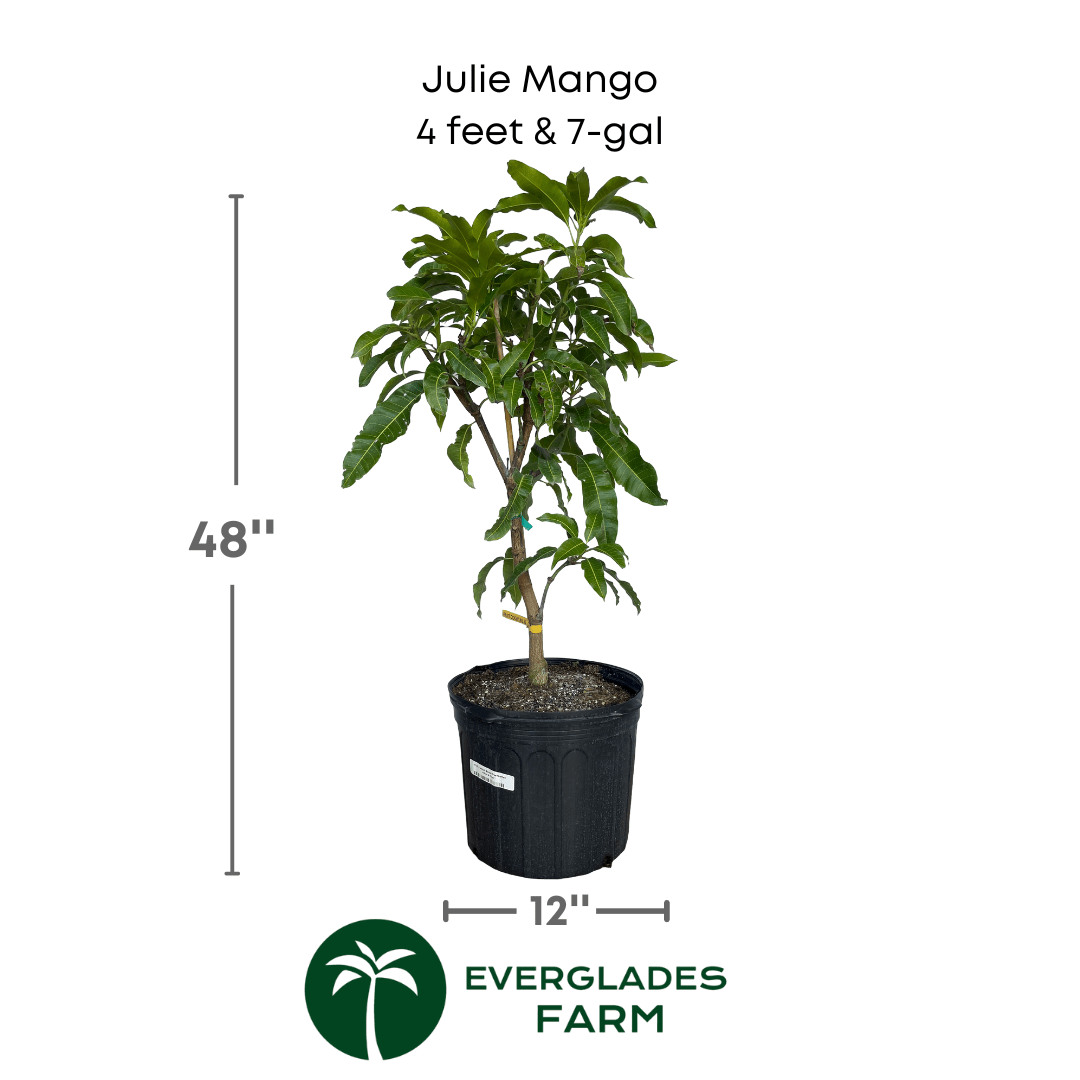
Julie Mango tree Dwarf Grafted
from $42.95
$54.95
Grown in our plant nursery in Homestead, Florida with the benefits of our subtropical weather
Average age of tree in 3 gal container: 12-18 months
Makes a great shade tree
Grafted trees can bear fruit in 2-3 years, under proper conditions and care.
This tree ships in a plastic container
Read: Master Julie Mango Trees: Essential Growing and Care Strategies


Juliette Mango Tree Grafted
from $39.95
$59.95
Juliette Mango Tree – Grafted & Vigorous Shade Tree
The Juliette Mango Tree is a fantastic mango variety that offers the delightful flavor of the Julie mango, but with a more vigorous growth habit and greater size. Unlike its dwarf cousin, the Juliette Mango grows into a larger, productive tree, making it ideal for those who want to enjoy the classic Julie flavor in a larger, more versatile tree. Whether you're seeking a fruitful addition to your garden or a beautiful shade tree, the Juliette Mango offers the best of both worlds.
Why Choose the Juliette Mango Tree?
Julie Mango Flavor, But Bigger: The Juliette Mango is renowned for its delicious flavor that closely resembles the beloved Julie Mango, but with the added benefit of not being a dwarf variety. You’ll enjoy the same sweet, rich mango taste, but from a larger tree that’s capable of producing more fruit.
Early Fruit Production: Thanks to grafting, the Juliette Mango Tree can begin producing fruit in just 2-3 years with proper care, allowing you to enjoy fresh mangoes from your own tree sooner rather than later.
Versatile Shade Tree: With its larger size and robust growth habit, the Juliette Mango Tree also serves as an excellent shade tree, providing a lush canopy that offers cooling shade during hot summer months.
Tree Specifications:
Growth Habit: Unlike the dwarf Julie Mango, the Juliette Mango grows into a larger, more vigorous tree, making it a great addition to landscapes that need both shade and fruit. It’s perfect for gardens and backyards where space is not limited.
Container & Tree Age: We ship this tree in a 3-gallon plastic container, with the average age of the tree ranging from 12-18 months. This ensures you’re receiving a healthy, well-established tree that is ready to thrive and grow in your garden.
Sun Exposure & Climate: The Juliette Mango Tree thrives in full sun and subtropical climates, making it ideal for warm regions like Florida, Texas, and Southern California. Plant it in a sunny location with well-drained soil for the best results.
Grown with Care at Everglades Farm
At Everglades Farm, we cultivate each Juliette Mango Tree in our Homestead, Florida nursery, where the subtropical climate provides ideal growing conditions. Grafted from high-quality, fruit-producing trees, we ensure that every Juliette Mango Tree is healthy, vigorous, and ready to produce delicious fruit. Our expert care and sustainable growing practices ensure that you’re receiving a tree that’s been nurtured for success.
Why Buy from Everglades Farm?
As a family-owned nursery, Everglades Farm is dedicated to growing and delivering high-quality fruit trees with a focus on sustainability and customer satisfaction. When you purchase a tree from us, you’re not just investing in a plant – you’re investing in years of expertise and care, ensuring that your Juliette Mango Tree is set up for success in your home garden.
Perfect for Home Gardens & Tropical Landscapes
Whether you're looking to add a unique and delicious mango variety to your garden or searching for a productive shade tree, the Juliette Mango Tree is an excellent choice. Its early fruiting, delicious mangoes, and shade-giving canopy make it a standout in any tropical or subtropical landscape
Best Mango Tree Care: Soil, Watering, Pruning, and Harvesting


Kary Star Fruit Carambola Fruit Tree, Grafted
from $47.95
$54.95
Introducing the Kary Star Fruit Carambola Fruit Tree – Taste the Tropical Delight!
Experience the exotic allure of our Kary Star Fruit Carambola Fruit Tree, carefully nurtured to perfection at Everglades Farms. Bursting with flavor and elegance, this fruit tree is a must-have for any garden. Here's why you'll love it:
Grafted Excellence: Our Kary Star Fruit Tree is expertly grafted from a high-quality, fruit-producing tree. This ensures that you'll be enjoying the best possible fruits with every harvest.
Homestead's Subtropical Magic: Grown in our lush plant nursery in Homestead, Florida, this tree thrives in the nurturing embrace of our subtropical climate. You can trust that your tree is accustomed to the very best growing conditions.
Fast Maturity: With an average age of 12-18 months in a 2-gallon container, our Kary Star Fruit Tree is already on its way to maturity. You'll be enjoying its delectable fruits sooner than you think.
Convenient Shipping: Your tree will arrive in a sturdy plastic container, ready to find its new home in your garden. The soil in the container is enriched with premium slow-release granular 8-3-9 fertilizer, giving your tree a head start in healthy growth.
Grafted for Success: This tree is meticulously grafted, a practice that ensures strong, disease-resistant rootstock, and the ability to produce delicious fruits in as little as 1-2 years. You'll be savoring the taste of success sooner than you expect.
A Star in Your Garden: The Kary Star Fruit Carambola is not only a treat for your taste buds but also a visual delight. Its unique star-shaped fruits add a touch of elegance to your garden, making it a conversation starter and a true star attraction.
Versatile Culinary Delight: The juicy and tangy flavor of the Kary Star Fruit makes it a versatile addition to your culinary creations. Enjoy it fresh, sliced in salads, transformed into jams, or as a striking garnish.
Low Maintenance, High Rewards: This tree is relatively low-maintenance, making it an excellent choice for both experienced gardeners and beginners. A little care goes a long way in ensuring a bountiful harvest year after year.
Elevate your gardening experience with the Kary Star Fruit Carambola Fruit Tree from Everglades Farms. Order yours today and unlock the flavors of the tropics right in your own backyard!


Kiew Yai Thai Mango Tree, Grafted
from $39.95
$59.95
Kiew Yai is a mango variety that originated in Taiwan. It is a cross between the Ivory and Keitt mango varieties. Kiew Yai mangoes are known for their large size, sweet flesh, and firm texture. They are also relatively easy to grow and care for.
Kiew Yai mangoes are typically oblong in shape and have a green skin that turns yellow when ripe. The flesh is yellow and juicy, with a sweet and slightly tart flavor. Kiew Yai mangoes are often eaten fresh, but they can also be used in desserts, smoothies, and salads.
Kiew Yai mango trees are moderately vigorous growers and can reach heights of up to 20 feet. They are self-pollinating, so they do not require another mango tree for pollination. Kiew Yai mangoes typically ripen in late summer or early fall.
Kiew Yai mangoes are a popular variety in Asia, and they are becoming increasingly popular in the United States. They are a good choice for home gardeners who are looking for a mango variety that is easy to grow and produces large, delicious fruits.
Here are some additional information about the Kiew Yai mango variety:
It is a late-maturing variety, with fruits ripening in August or September.
The fruits are large, with an average weight of 1-2 pounds.
The flesh is yellow and juicy, with a sweet and slightly tart flavor.
The trees are moderately vigorous growers and can produce a high yield of fruits.
Kiew Yai mangoes are resistant to some diseases, such as anthracnose and powdery mildew.
If you are looking for a delicious and easy-to-grow mango variety, the Kiew Yai mango is a great option. It is a popular variety in Asia, and it is becoming increasingly popular in the United States.


Kiwi 'Prolific' (Actinidia arguta)
$24.95
Hardy, Fruit-Bearing Kiwi Vine
Common Names: Kiwi ‘Prolific’, Hardy KiwiFamily: ActinidiaceaeOrigin: East Asia (China, Japan, Korea)
Kiwi ‘Prolific’ (Actinidia arguta) is a hardy kiwi variety that produces small, smooth-skinned, grape-sized fruits bursting with sweet, tangy flavor. Unlike traditional fuzzy kiwis, the ‘Prolific’ kiwi can be eaten whole, skin and all. Known for its cold-hardiness, this vigorous, deciduous vine is perfect for growing in temperate climates where traditional kiwi varieties struggle. With its fast growth and ability to bear fruit in just 3-4 years, the Kiwi ‘Prolific’ is a favorite among gardeners looking for a productive and easy-to-grow fruiting vine.
Fruits: Kiwi ‘Prolific’ produces small, smooth, grape-like fruits with a sweet, mildly tangy flavor. The fruits are completely edible, including the thin skin, which sets them apart from the larger, fuzzier kiwi varieties. Rich in vitamin C, potassium, and fiber, the fruits are highly nutritious and perfect for fresh eating, adding to fruit salads, or blending into smoothies.
Foliage: The vine has lush, heart-shaped green leaves that provide an attractive, ornamental quality in the garden. In the fall, the leaves turn a striking yellow, adding seasonal interest.
Growth Habit: Kiwi ‘Prolific’ is a fast-growing, deciduous climbing vine that can grow up to 15-20 feet tall if provided with proper support. It is well-suited to trellises, pergolas, or arbors, making it a productive and ornamental addition to any garden.
Culinary and Ornamental Uses: The small, smooth-skinned fruits of the Kiwi ‘Prolific’ are perfect for fresh eating due to their sweet and tangy flavor. They can be eaten whole or used in fruit salads, desserts, smoothies, or even preserved as jams and jellies. In addition to its delicious fruit, the vine adds ornamental value to the garden with its lush foliage and fast-growing, vining habit, making it ideal for covering structures or creating natural privacy screens.

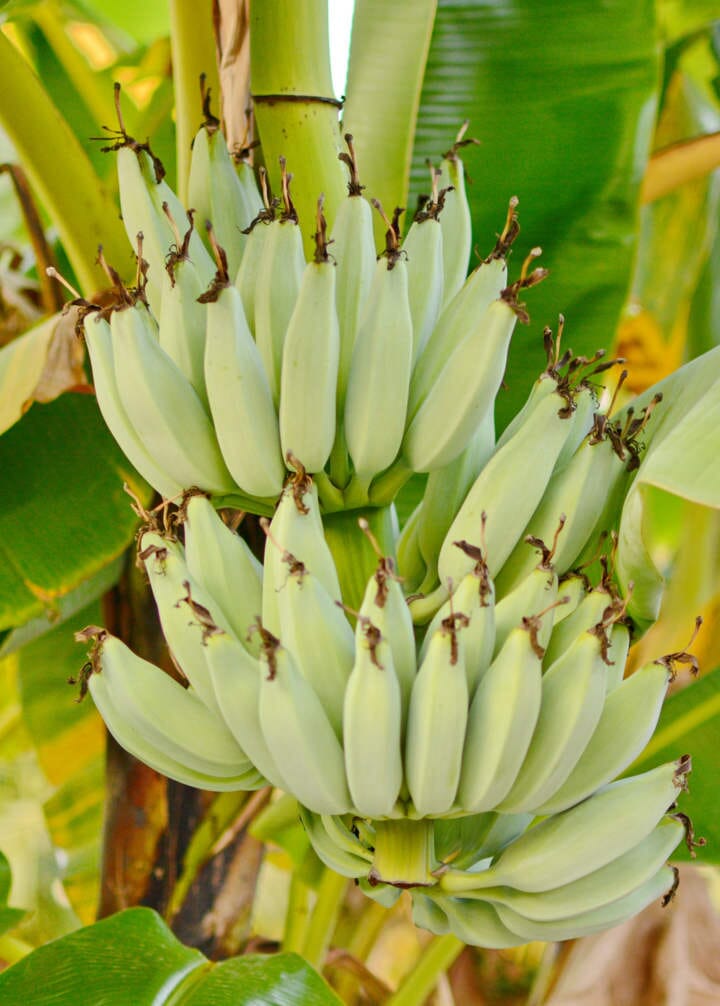
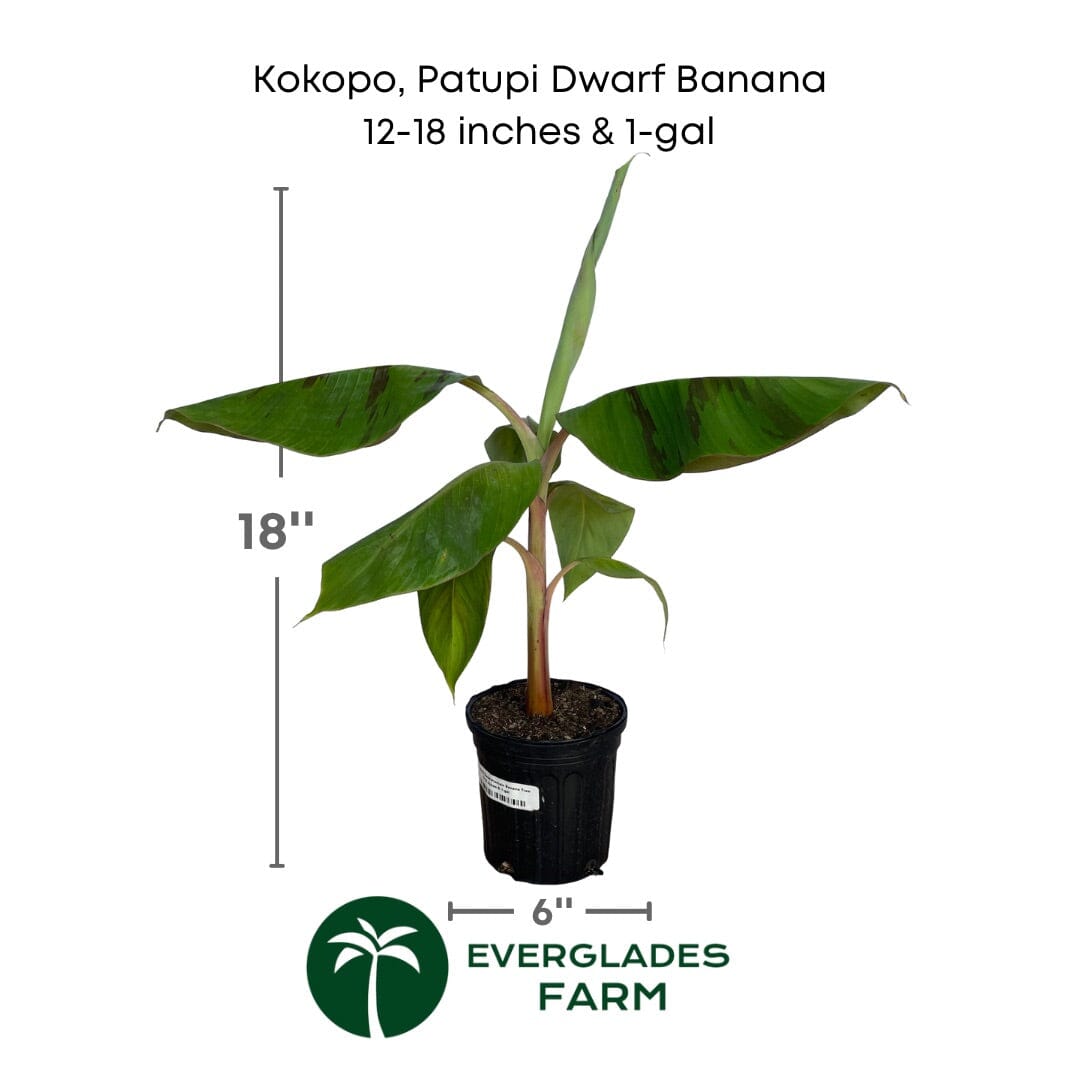
Kokopo, Patupi Dwarf Banana Plant
from $37.95
$49.95
This is a rare Banana variety originally from Papua New Guinea. Kokopo Banana is also known as Patupi. It is ideal to grow in a container. Short Cycle: Bloom to harvest: 5 to 6 weeks. Excellent flavor and texture with an incredible tropical aroma and orange flesh.A vigorous and fast growing plant that produces 30 lb bunches.
Great indoor banana plant
Short-season banana plant. Boom to harvest time is 5-6 weeks
Grows fairly thin and lightweight compared to other Musa varieties
It starts fruiting at 5-6' tall and it is suitable for growing in containers
This tree ships in a 2-Gallon plastic container with soil and Triple layer protection
Grown in our plant nursery in Homestead, Florida with the benefits of our subtropical weather
Suitable for container or ground planting
Master the Patupi Banana Plant: Steps for Successful Growth

Korean Mint (Agastache rugosa)
$19.95
Fragrant Medicinal Herb with Purple Blooms and Cooling Flavor
Korean Mint is a hardy, aromatic perennial herb with upright growth, serrated green leaves, and tall spikes of lavender-purple flowers that bloom through the warm months. Unlike true mints, Agastache rugosa does not spread aggressively, forming a tidy clump that fits beautifully into herb gardens, pollinator beds, and food forests. The leaves release a sweet, cooling aroma with notes of anise, mint, and basil, while the flowers attract bees, butterflies, and beneficial insects in abundance.
This plant thrives in heat and sun, grows quickly, and offers both ornamental beauty and practical harvests. Its long bloom season, strong stems, and vibrant color make it a standout whether planted in the ground or in containers.
Cultural & Culinary Significance
In Korea, China, and East Asia, Korean Mint—known as Baechohyang—has been used for centuries as both a culinary herb and a medicinal plant. The leaves are brewed into soothing teas traditionally used to support digestion, reduce heat in the body, and calm the stomach. In cooking, the fresh leaves are used to flavor soups, dumplings, rice dishes, and herbal broths, adding a bright, refreshing note. In traditional herbal medicine, Agastache rugosa is valued for its aromatic, balancing properties and is still widely used today.
Why Grow Korean Mint?
Aromatic leaves for tea, cooking, and herbal use
Long-blooming purple flowers loved by pollinators
Clump-forming growth that won’t take over the garden
Heat-tolerant, drought-resilient once established
Beautiful and functional addition to edible landscapes


Kwai Muk (Artocarpus hypargyraeus)
from $29.95
Exotic Tropical Fruit with Tangy Sweetness
Common Names: Kwai Muk, Chinese Mulberry, Monkey JackFamily: MoraceaeOrigin: Southeast Asia (Southern China)
Kwai Muk (Artocarpus hypargyraeus) is a rare, tropical fruit tree closely related to jackfruit and breadfruit, known for producing small, tangy-sweet fruits that are enjoyed fresh or made into jams and desserts. Native to southern China and other parts of Southeast Asia, this compact tree is highly prized for both its edible fruit and ornamental value. The fruit is small and round, about the size of a fig, with an orange to yellow skin when ripe. Its flesh is soft, with a flavor reminiscent of apricots, figs, and citrus. In addition to its tasty fruit, Kwai Muk is a beautiful addition to tropical gardens, featuring large, glossy leaves and a dense, spreading canopy.
Distinctive Features, Uses, and Nutritional Value
Fruits: Kwai Muk fruits are small, orange-yellow, and round, growing to about 1-2 inches in diameter. The flesh inside is soft and tangy-sweet, with a flavor that has been described as a combination of apricot, fig, and a hint of citrus. The fruit is typically eaten fresh, but it can also be used in jams, jellies, or dried for later use. Kwai Muk is rich in vitamins A and C, as well as fiber, supporting immune health and digestion.
Foliage: The tree has large, oval, dark green leaves that are leathery and glossy, adding a lush, tropical appearance to the landscape. The dense foliage provides ample shade, making the tree both ornamental and functional.
Growth Habit: Kwai Muk is a slow-growing, evergreen tree that typically reaches 15-30 feet tall. Its compact size and attractive form make it ideal for smaller gardens or as a shade tree in tropical and subtropical climates.
Culinary and Ornamental Uses
Kwai Muk is most commonly eaten fresh due to its juicy, tangy-sweet flavor, but the fruit can also be used to make jams, jellies, and desserts. Its unique flavor profile makes it a delightful addition to fruit salads and tropical dishes. Beyond its edible use, Kwai Muk is often planted for its ornamental value, providing both shade and visual interest with its dense, glossy foliage.

La Cach (Premna serratifolia)
$24.95
Medicinal and Aromatic Coastal Shrub
Common Names: La Cach, Coastal Premna, Headache Tree, Agara, Arani, VasaFamily: LamiaceaeOrigin: Tropical and subtropical regions of Asia, Australia, and the Pacific Islands
Premna serratifolia, commonly known as La Cach or Coastal Premna, is a hardy shrub or small tree known for its medicinal properties and aromatic leaves. This plant is often found growing in coastal areas and tropical forests, thriving in warm, humid environments. La Cach is widely used in traditional medicine, particularly in Southeast Asia and India, where its leaves, roots, and bark are used to treat a variety of ailments. The leaves are fragrant and are sometimes used as a spice in cooking. This versatile plant is drought-tolerant, resilient to coastal winds, and adds both medicinal and ornamental value to gardens.
Distinctive Features, Uses, and Nutritional Value
Foliage: La Cach has oval to lance-shaped, serrated leaves that are aromatic when crushed. The leaves are used in traditional medicine for their anti-inflammatory, analgesic, and antimicrobial properties. La Cach plants flower and produce seeds year-round, but it is really cultivated for its foliage. The young leaves and tender shoots are typically cooked and eaten as greens or used to wrap meat or veggies with and grilled. The leaves, flowers, and roots of La Cach are known for their purported medicinal qualities in the Ayurveda, Siddha and Unani systems of medicine.
Flowers: The plant produces small, greenish-white flowers in clusters, which attract pollinators such as bees and butterflies. La Cach always gets a lot of attention during our Food Forest Tours due to it's unique appearance, beautiful deep purple berries (only harvested for seed) and eye-catching flowers. It has a shrubby habit and makes a great ornamental hedge that always attracts a large number of butterflies and other pollinators.
Growth Habit: Premna serratifolia grows as a shrub or small tree, reaching up to 10-20 feet tall. It has a bushy, spreading habit and can be pruned to maintain a smaller size.
Medicinal and Culinary Uses
La Cach is highly valued in traditional medicine. The leaves, roots, and bark are used to treat fever, headaches, respiratory issues, and digestive disorders. It is also known to have anti-inflammatory and antimicrobial properties, making it a common remedy for wounds and infections. In addition to its medicinal uses, the aromatic leaves can be used as a spice in cooking, particularly in Southeast Asian cuisine. The leaves are sometimes added to soups or stews for their fragrance and flavor.

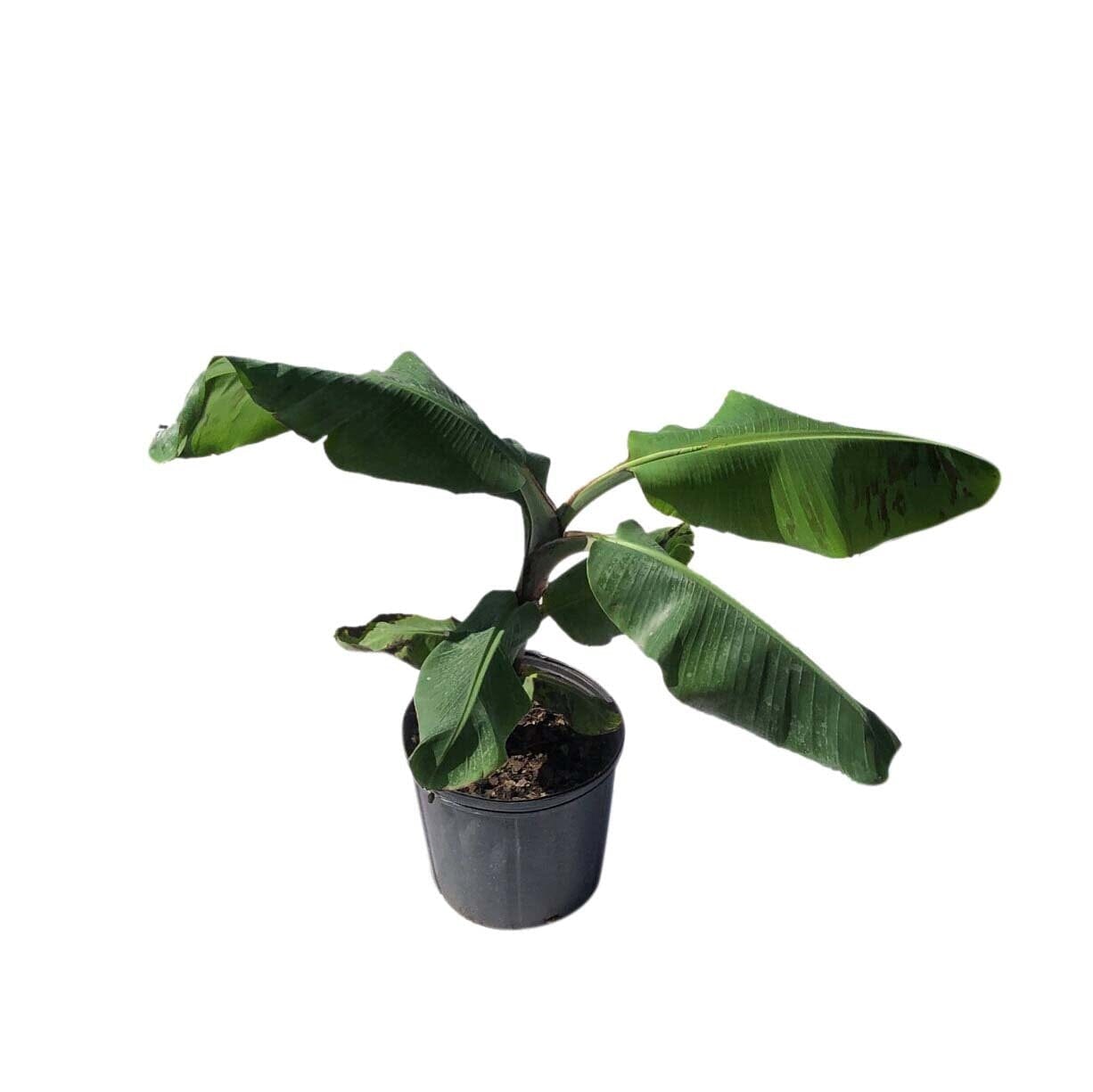
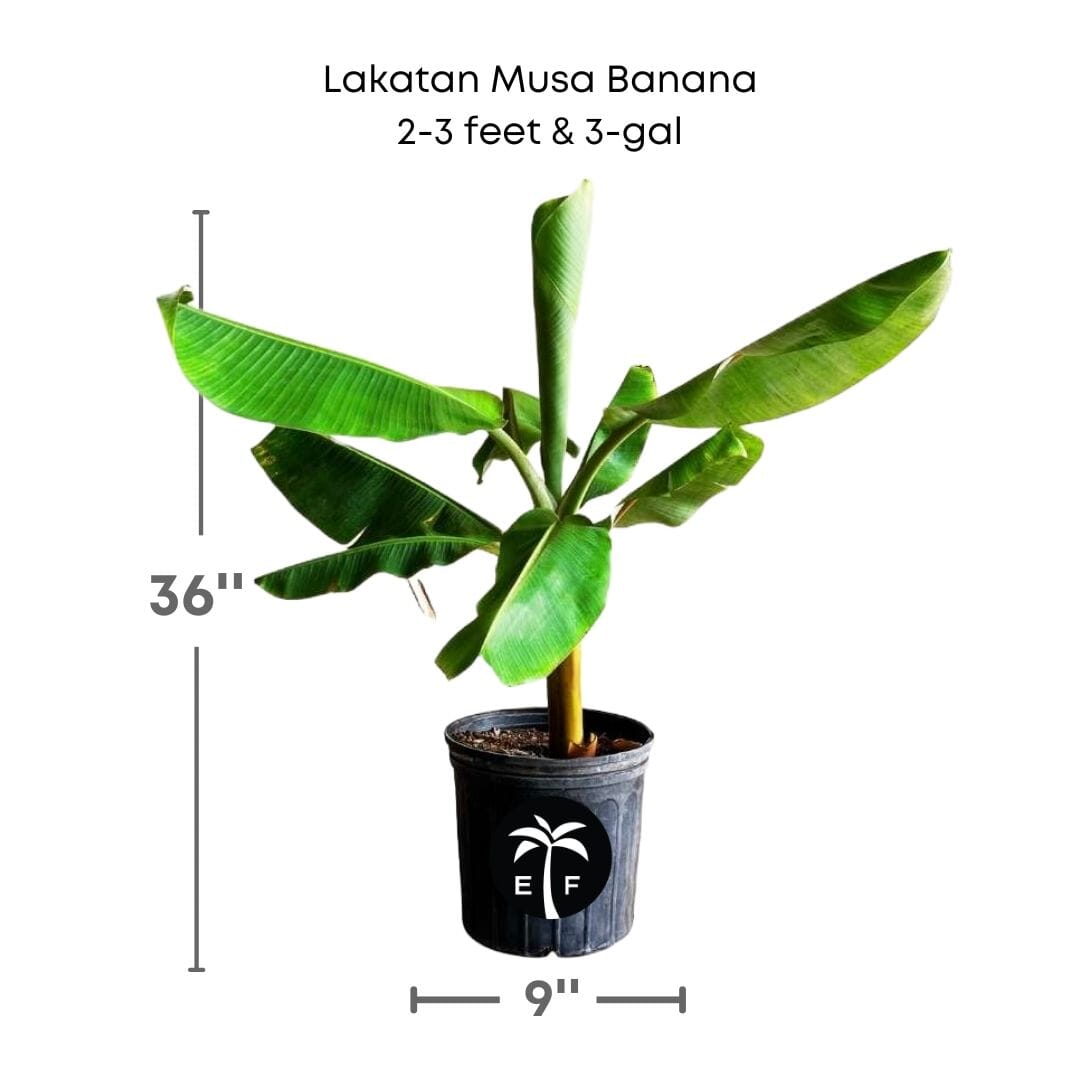
Lakatan Musa Banana Plant
from $34.95
$49.95
Introducing the Lakatan Musa Banana Plant, a tropical delight that promises an exceptional banana experience. Here are the key details you need to know about our Lakatan Banana Plant:
Taste Sensation: The Lakatan Banana is renowned for its unrivaled taste and is often hailed as the best-tasting banana variety. Indulge in the sweetest, most flavorful bananas you've ever experienced, making each bite a true delight.
Sweet and Creamy: Savor the luscious, creamy texture of the Lakatan Banana. With every bite, you'll be transported to a tropical paradise of delectable sweetness, leaving you craving more.
Impressive Size: The Lakatan Banana boasts large, substantial fruit that's perfect for satisfying your banana cravings. Its generous size makes it ideal for snacking, smoothies, and adding a touch of tropical sweetness to your favorite recipes.
Towering Foliage: Admire the majestic appearance of the Lakatan Musa Banana Plant, as it grows to an impressive height of 9-14 feet. Its lush foliage and vibrant green leaves create a stunning visual display in any landscape or garden.
Fast Fruiting: Experience the joy of bountiful banana harvests in shorter cycles. The Lakatan Banana Plant fruits faster than most varieties, rewarding you with delightful bananas in just 8-12 month cycles.
Ideal Growing Zones: The Lakatan Musa Banana thrives in growing zones 8-11, making it suitable for a wide range of climates with warmer temperatures.
Premium Packaging: Your Lakatan Banana Plant will arrive securely packed in a plastic container with soil, ensuring the plant's health and vitality during transit. For added protection, we provide triple-layer packaging to safeguard your precious plant.
Homestead, Florida Grown: We cultivate our Lakatan Banana Plants in our plant nursery in Homestead, Florida, where they benefit from the advantages of our subtropical weather. You can trust that our plants are nurtured with care and expertise.
Close Cousin to Pisang Raja: The Lakatan Banana is a kindred spirit to the Pisang Raja bananas, sharing similar traits and flavor profiles. Embrace the delightful world of these tropical treasures that are sometimes challenging to tell apart.
At Everglades Farms, we take immense pride in providing top-quality fruit plants, and our Lakatan Musa Banana Plant is no exception. Unlock the full potential of this exquisite banana variety and elevate your tropical fruit experience. Should you have any questions or require assistance, our dedicated customer service team is here to help. Reach out to us at service@everglades.farm or call us at 1-800-GARDEN-GROW. Happy gardening and banana feasting!
🍌 Master Musa Lacatan Banana Plant: Essential Steps for Successful Growth
8 Benefits of Growing Lakatan Banana Plants in Your Garden

Lattarula Fig Tree
from $32.97
$59.95
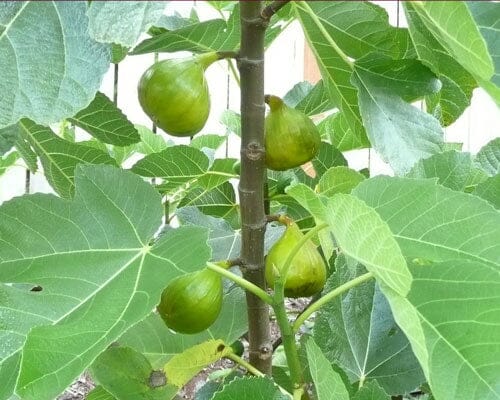
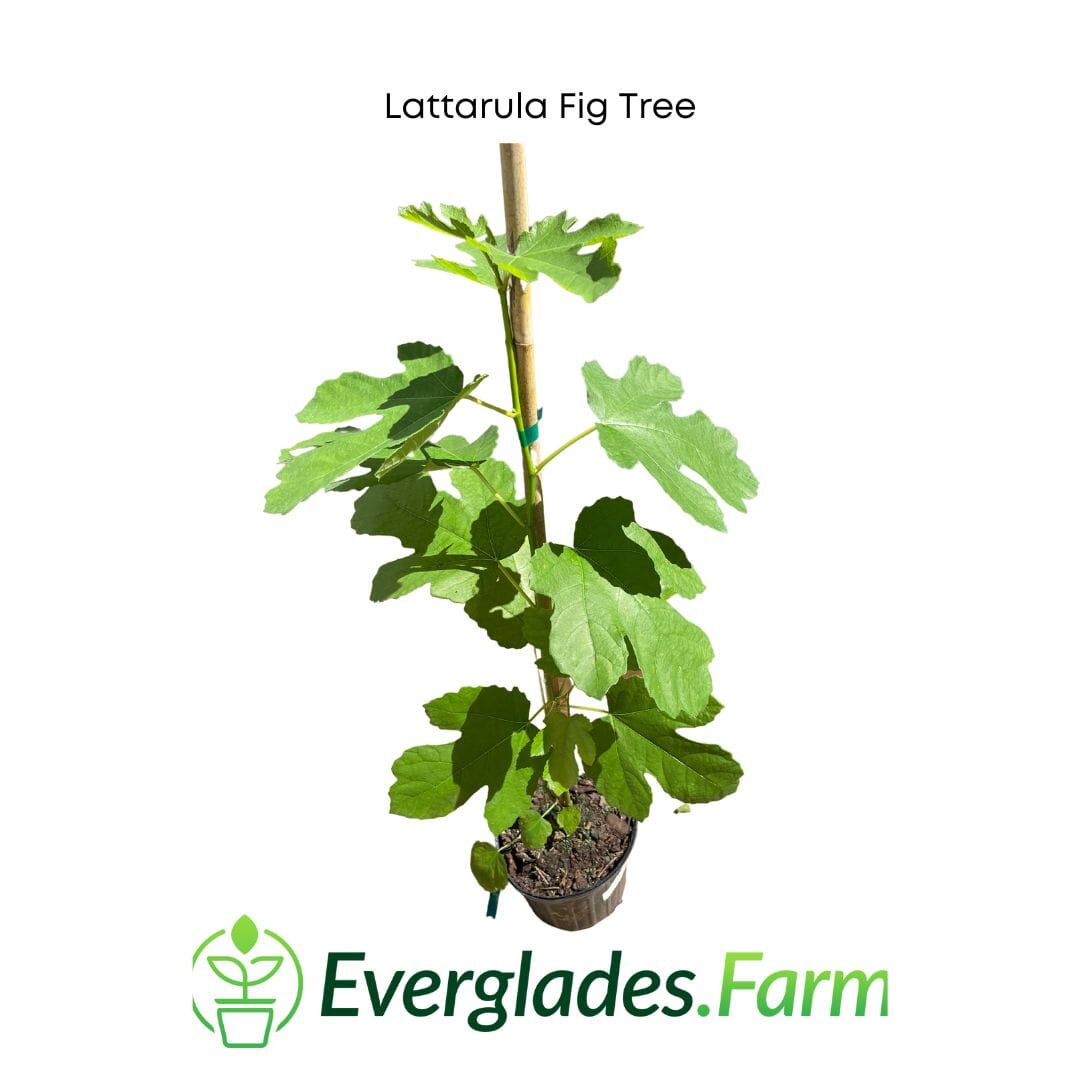
Lattarula Fig Tree (Italian Honey Fig): Discover the allure of the Lattarula Fig Tree, also fondly known as the Italian Honey Fig, renowned for its exquisite taste and adaptability. If you're in a short-season, cool summer region like the Northwest, this fig variety is your reliable companion.
Abundant Harvests Twice a Year: Imagine indulging in the goodness of fresh figs not once, but twice a year. The Lattarula Fig Tree boasts an impressive yield, offering you an abundance of delectable figs to enjoy during its fruitful seasons.
Vibrant Amber-Colored Flesh: Delight your senses with the Lattarula Fig's enticing amber-colored flesh, a tantalizing visual and flavorful treat that's bound to elevate your culinary experiences.
Sunny Yellow Skin: Its appealing yellow skin not only adds a pop of color to your garden or container, but it also serves as a natural protective shield for the succulent goodness that lies within.
Perfect for Containers: Short on space? No problem. The Lattarula Fig Tree's relatively compact habit makes it an ideal choice for container gardening. Enjoy the luxury of growing your own figs even in limited spaces.
Thrives in Short-Season Climates: If you've been longing to grow figs in regions with shorter growing seasons, the Lattarula Fig Tree is your answer. Embrace the joy of cultivating this resilient variety that thrives in cooler summers, bringing a touch of the Mediterranean to your own backyard.
Versatile and Exquisite: Whether enjoyed fresh, grilled, or incorporated into various culinary creations, the Lattarula Fig Tree's versatile nature ensures it's a star ingredient in both sweet and savory dishes.
A Taste of Italy at Home: Indulge in the essence of Italy as you savor the sweet, honey-like flavor of the Lattarula Fig. Elevate your gastronomic adventures with a touch of Italian elegance right from your garden.
Cultivation Made Easy: With its adaptability and reliable performance, the Lattarula Fig Tree welcomes both novice and seasoned gardeners to enjoy the art of cultivating figs. Its low-maintenance nature and rewarding yields make it a joy to nurture.
Order Your Lattarula Fig Tree Today: Ready to elevate your gardening journey? Embrace the charm of the Lattarula Fig Tree and relish in its delightful fruits. Order now to experience the beauty and flavor of this remarkable Italian Honey Fig variety.
🌱 Everbearing Figs: Tips for Successful Cultivation

Legacy Blueberry | Northern Blueberry |
from $37.95
$49.95
Vaccinium 'Legacy'
CATEGORY Northern Blueberry
HIGHLIGHTS
Late season
Medium-Large Berry
Lasting red fall foliage
Delicious fruit


Lemon Balm (Melissa officinalis)
$19.95
Lemon balm is an aromatic herbaceous perennial or annual, distinguished by its lemony scent. Originating from the Mediterranean and Central Asia, it is now cultivated across the world for culinary, medicinal, and ornamental use. Growing to a height of 24 inches, it boasts wrinkled serrated leaves with a slightly hairy texture and tiny white to yellow/purple flowers blossom in whorled clusters, offering honeybees nectar-rich pollen.
Lemon Balm is an exceptional herb that lends its distinct, citrus-like flavour to cuisines from around the world. Its essential oils are also used in aromatherapy for relaxation and rejuvenation, as well as in perfumery and cosmetics. Its medicinal properties have been celebrated for centuries, helping to soothe an upset stomach, aid digestion, and promote restful sleep.


Lolot (Piper sarmentosum)
$19.95
Lolot is a herbaceous perennial vine with creeping rhizomes, commonly known as Wild Betel. It is cultivated for it's dark green, glossy leaves which have both medicinal and culinary purposes. Lolot is most popularly used to wrap meat with in Southeast Asian cooking. The leaves are traditionally prepared fresh as a salad in Laotian and Malay cuisine. Medicinally, the whole plant possesses anti-inflammatory, expectorant and anodyne properties.
Lolot has a beautiful tropical look and makes the perfect ground cover for an edible landscape! A member of the Piper family, Lolot is related to other Sow Exotic favorites, Hoja Santa and Black Pepper Vine.

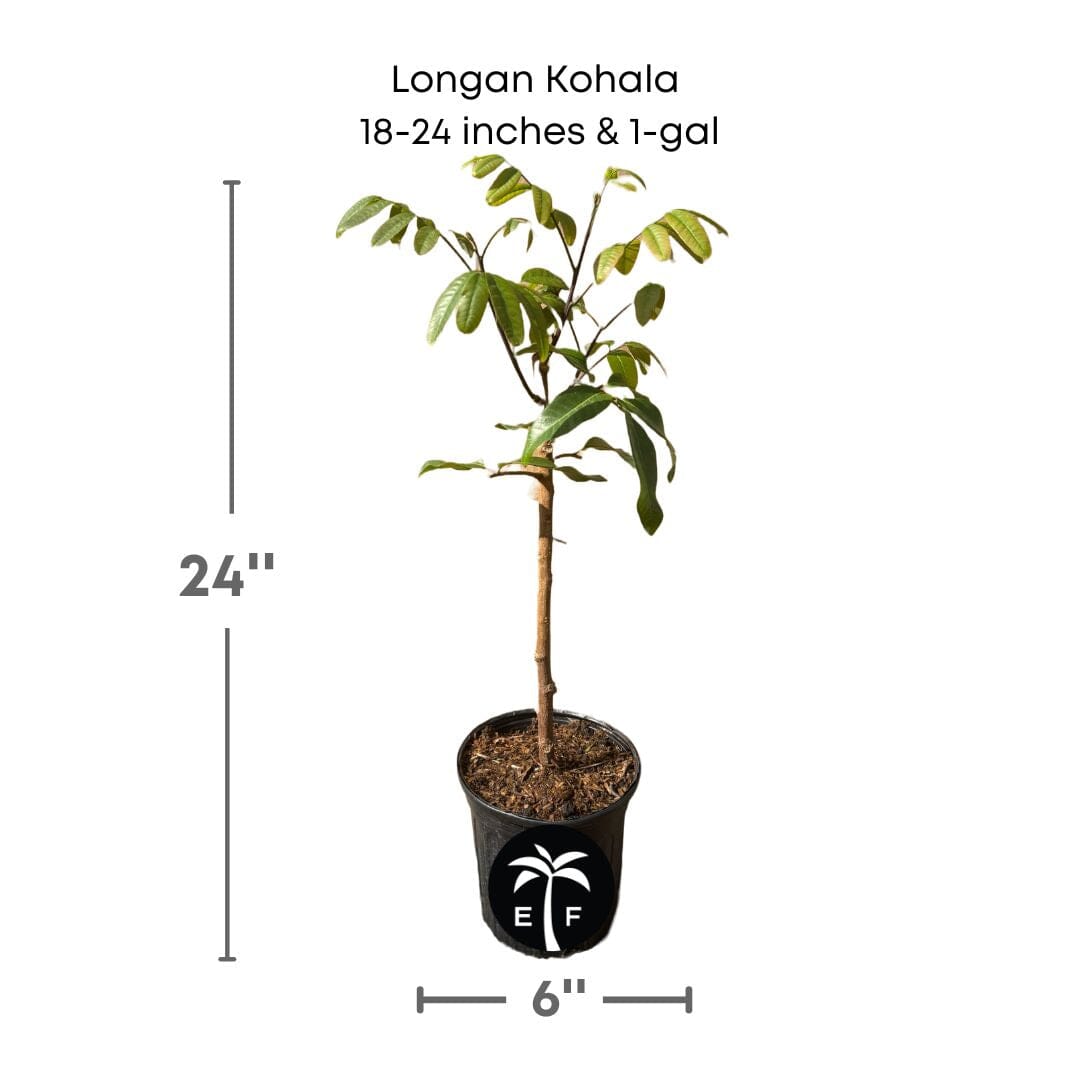
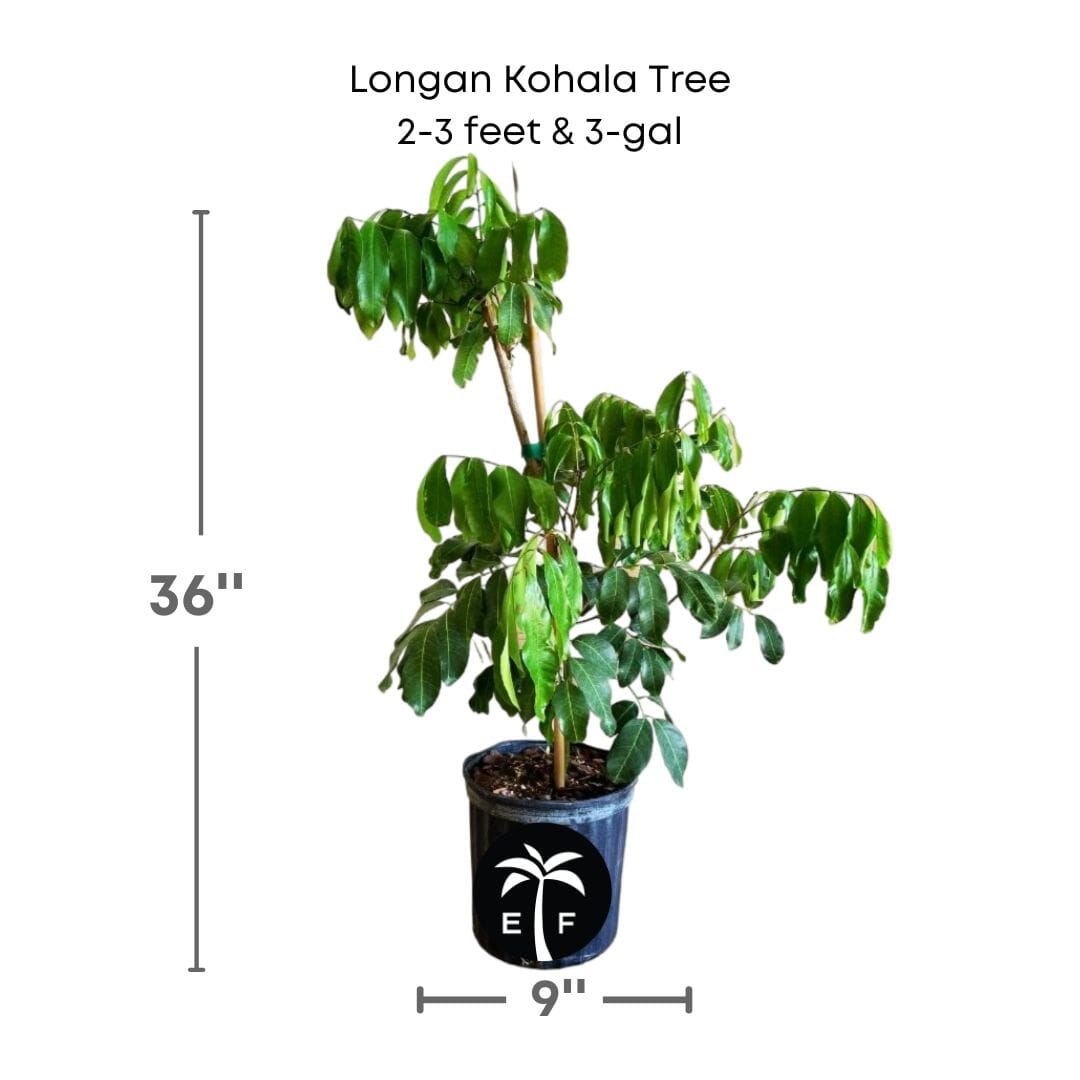
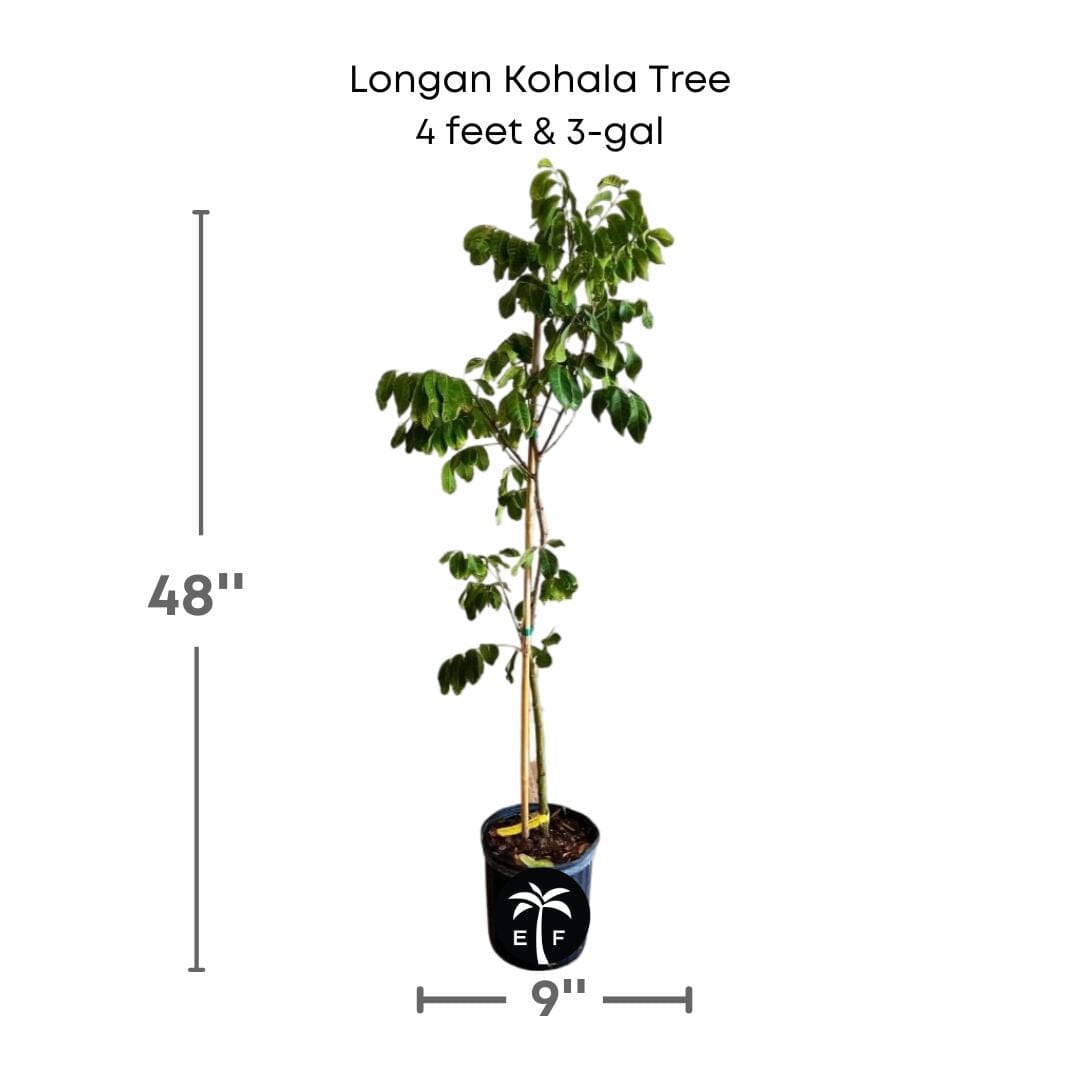
Longan Kohala Tree, Air-Layered
from $39.95
$49.95
Introducing the Longan Kohala Tree - A Tropical Delight!
Experience the delectable taste of the Longan Kohala fruit right in your own backyard with our premium Longan Kohala Trees for sale. These air-layered beauties offer an exceptional chance of bearing fruit, making them the perfect choice for fruit enthusiasts. Here's what you need to know about our Longan Kohala Trees:
Air-Layered for Optimal Fruit Production: Our Longan Kohala Trees are air-layered, ensuring they are genetically identical to mature, fruit-bearing trees. This means they have a higher likelihood of producing delectable fruits for you to enjoy.
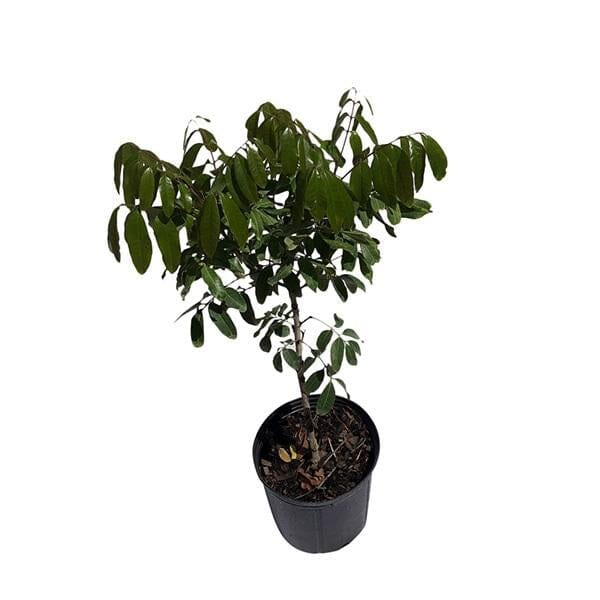
Approximate Height of 3 Feet: Your Longan Kohala Tree will arrive at your doorstep at a young age, approximately 3 feet tall. It's the ideal size to start growing and caring for your own fruit-producing tree.
2-Gallon Plastic Container with Soil: Your Longan Kohala Tree will be shipped in a 2-gallon plastic container filled with nutrient-rich soil. This ensures that your tree has a comfortable and nourishing environment for its journey to your garden.
Triple Layer Protection for Safe Delivery: We take great care in ensuring the safe delivery of your Longan Kohala Tree. With our triple layer protection, your tree will reach you in perfect condition, ready to thrive in your garden.
Average Age of 12-18 Months: Our Longan Kohala Trees have been nurtured for an average of 12-18 months in their 2-gallon container, allowing them to establish strong root systems and vigorous growth.
Grown in Homestead, Florida: Rest assured that your Longan Kohala Tree has been expertly grown in our own plant nursery in Homestead, Florida. The benefits of our subtropical weather ensure that your tree is well-acclimated to the local climate.
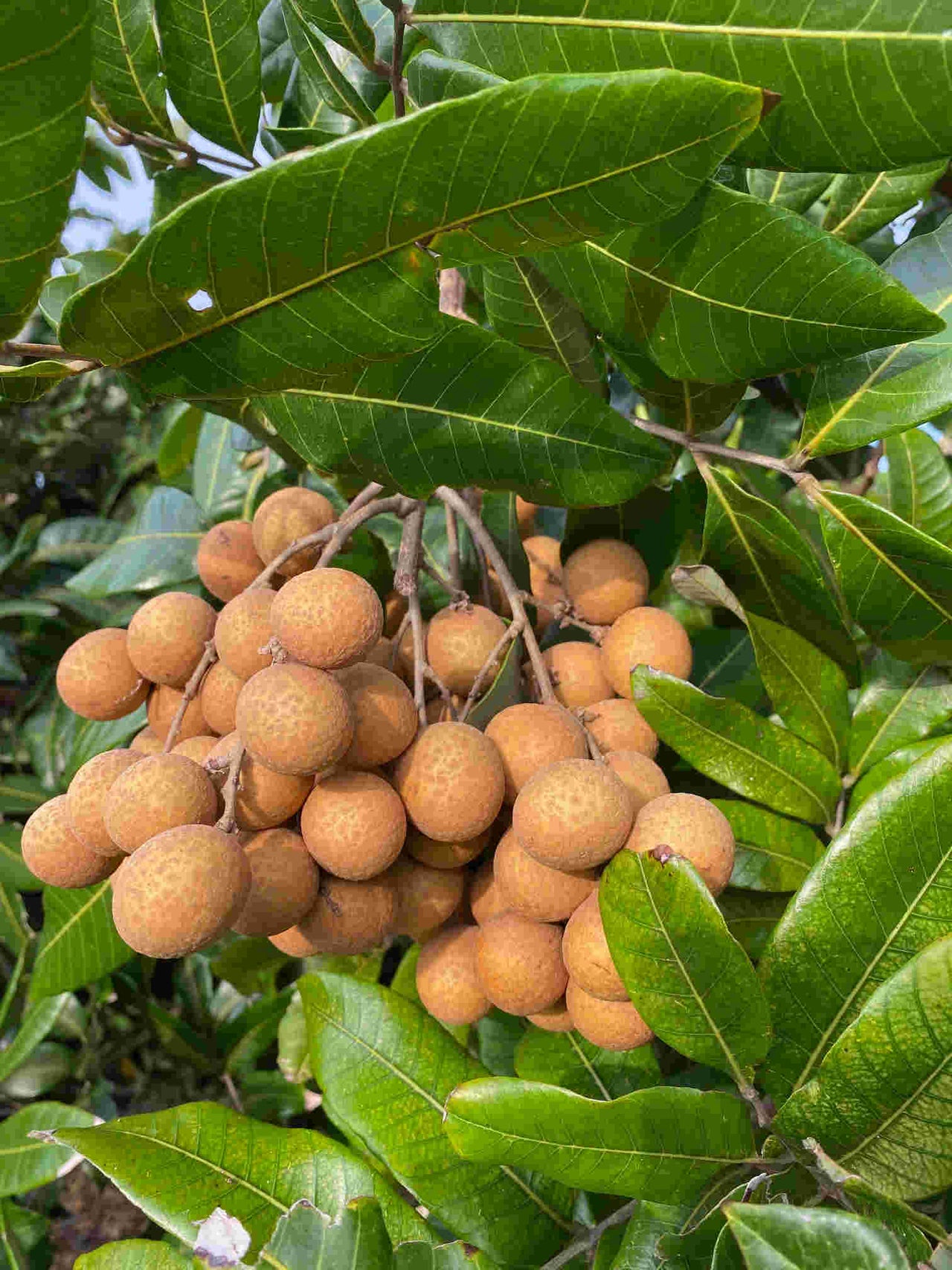
Tropical Delight: Longan Kohala fruits are a tropical delight with their sweet, succulent flesh. They are rich in flavor and have a unique taste that will leave you craving for more.
Fruit-Bearing Potential: As your Longan Kohala Tree matures, it will have the potential to yield a bountiful harvest of Longan Kohala fruits, making it a valuable addition to your garden.
Expert Support: Our team of horticulturists is always available to provide you with expert guidance and advice to ensure your Longan Kohala Tree thrives and produces delicious fruits.
Unlock the exotic flavors of the Longan Kohala fruit with our premium Longan Kohala Trees. Don't miss the opportunity to grow this tropical delight in your own backyard. Order your Longan Kohala Tree today and embark on a journey of flavorful abundance! Happy gardening!
🌱 Kohala Longan Tree: Steps for Planting and Care

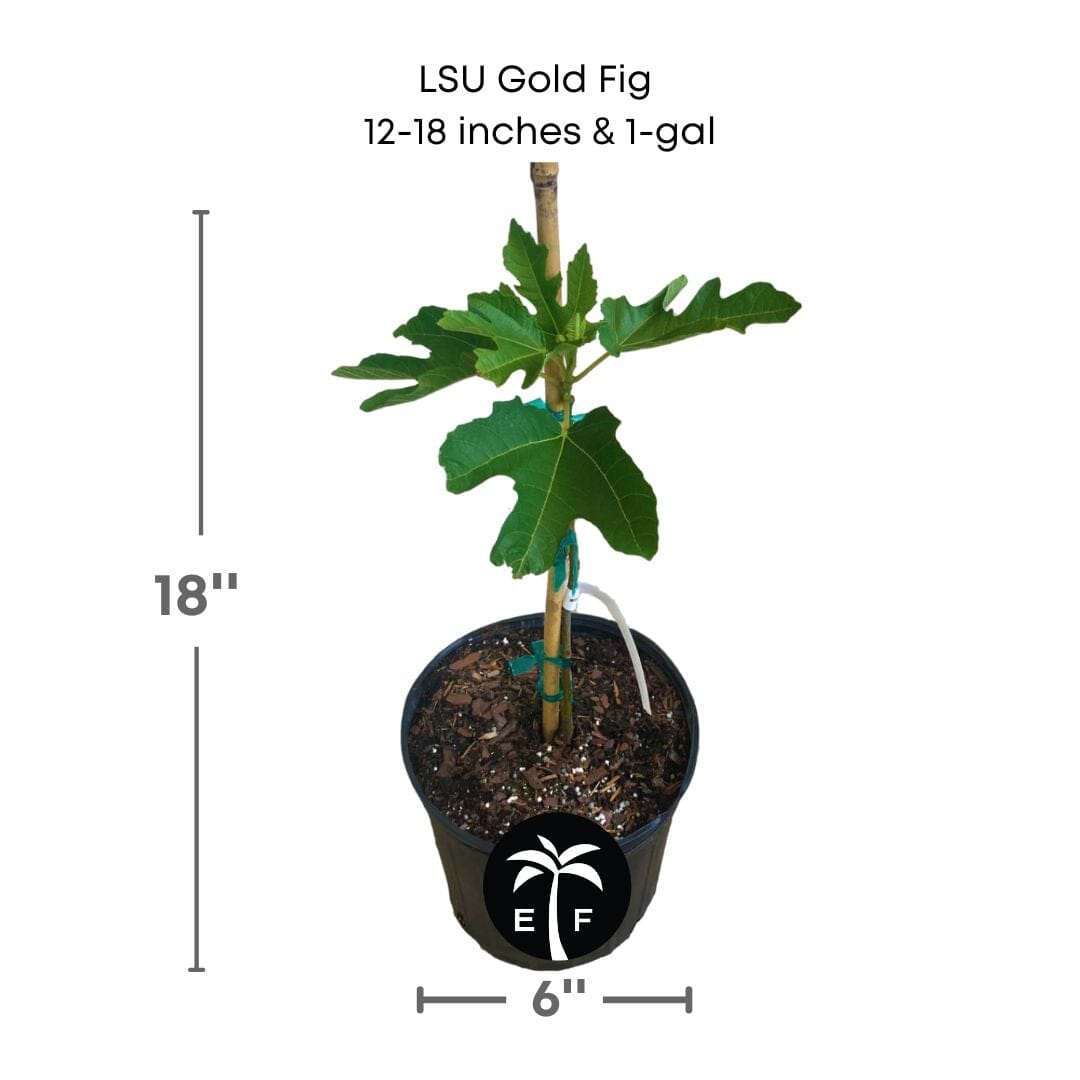
LSU Gold Fig Tree (Ficus carica 'LSU Gold') - Sweet, Golden Fruits for Your Garden
from $37.95
$39.95
Transform your garden with the LSU Gold Fig Tree, a remarkable cultivar developed by Louisiana State University. This fast-growing tree produces an abundance of large, golden figs with delectably sweet ruby flesh that tantalizes your taste buds with hints of pear and honey. Perfect for fresh eating, preserves, or drying, the LSU Gold is not just a fruit tree; it's a gourmet delight that thrives in various climates.Key Features:
Fruit Characteristics: Produces large, bell-shaped figs with a lemon-yellow skin and sweet amber to red flesh.
Growth Habit: Fast-growing and heavy-producing, reaching heights of 12-15 feet at maturity.
Climate Resilience: Ideal for the Southeast; ripens early and can produce a second crop in fall in warmer areas.
Growing Conditions: Thrives in full sun to part shade with average water needs; suitable for containers or ground planting.
Maintenance: Low maintenance requirements make it easy to grow and care for.
Elevate your gardening experience and enjoy the luscious fruits of the LSU Gold Fig Tree. Order now to start your journey toward delicious homegrown figs!
🌱 Everbearing Figs: Tips for Successful Cultivation

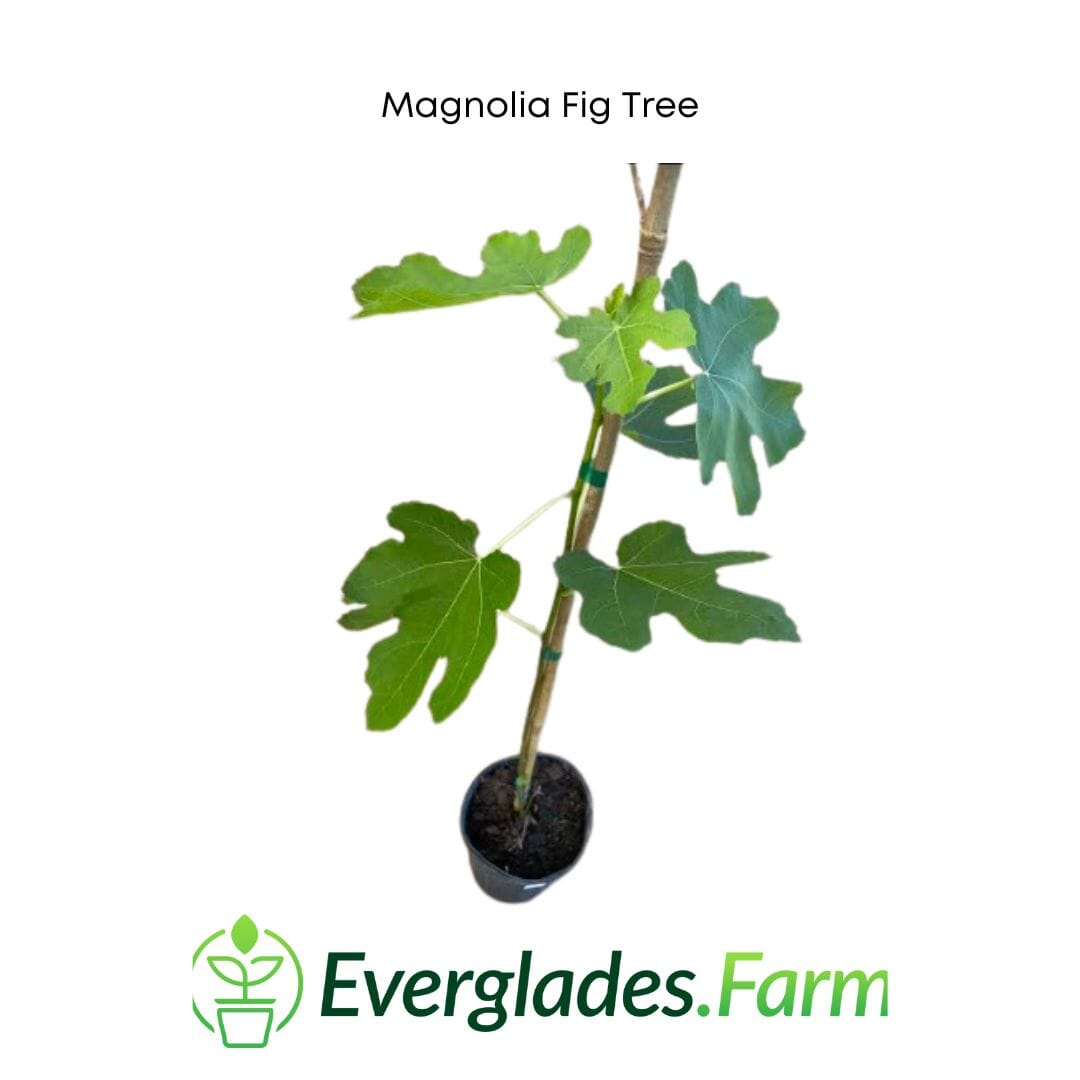
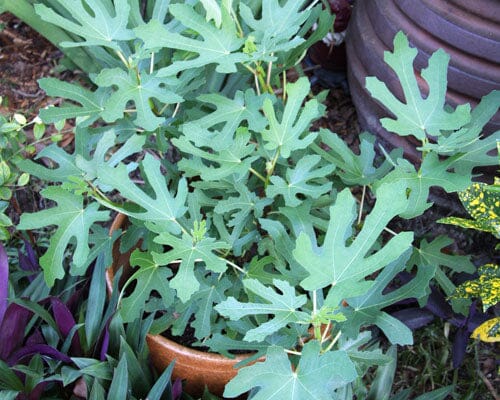
Magnolia Fig Tree
from $39.95
$59.95
Thriving in the Southeastern climate, the Fig 'Magnolia' stands out as a top performer, bringing forth abundant yields and robust growth.
Originating from Florida, the Magnolia Fig Tree has gained immense popularity, particularly in the dooryard fruit markets of Texas, showcasing its adaptability to various warm climates.
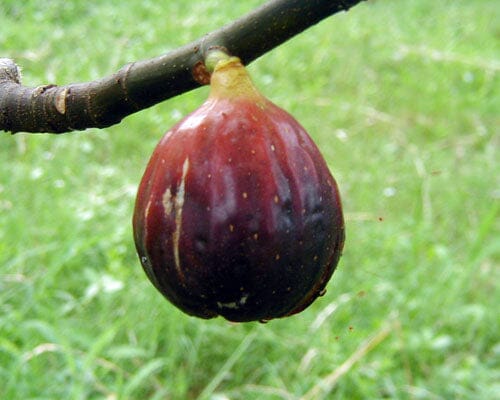
Distinguished by its luscious brown skin and captivating amber-hued pulp, the 'Magnolia' fig offers a delectable sensory experience, making it a coveted choice among fruit enthusiasts.
A key consideration for enjoying the 'Magnolia' fig at its peak is its open eye feature. To ensure an impeccable flavor profile, harvesting just before complete ripeness is recommended, preventing the fruit from souring prematurely.
Beyond its sumptuous taste, the 'Magnolia' fig boasts versatility. With its exceptional canning properties, this fig variety transforms into delightful preserves, jams, and more, preserving its exquisite flavors for year-round enjoyment.
The 'Magnolia' fig tree exhibits an extended fruiting season, delivering an abundance of delectable figs. Whether it's a bountiful harvest from the current growth or the previous year's, you can anticipate a continuous supply of these succulent treats.
Elevate your gardening experience with the 'Magnolia' fig, a reliable and fruitful companion that thrives in your Southeastern garden, offering both culinary delights and ornamental beauty.
🌱 Everbearing Figs: Tips for Successful Cultivation


Maha Chanok Mango Tree, Grafted
from $49.95
Maha Chanok Mango Tree, Grafted - For Sale from Everglades Farms, Florida
Product Overview:
The Maha Chanok Mango, also known as Mahachanok, is a premium mango variety originating from Thailand. Renowned for its exquisite taste, elegant shape, and vibrant color, this mango is a must-have for any mango enthusiast.
Key Features:
Distinctive Shape and Appearance: The Maha Chanok Mango is easily recognizable by its elongated and elegantly curved shape. The smooth, thin skin transitions from green to a yellowish-orange hue as it ripens, often displaying an attractive pink-red blush on one side, adding to its visual appeal.
Superior Flesh and Flavor: This mango variety is known for its long and thin stone, which maximizes the proportion of edible flesh. The flesh itself is a striking yellow-orange color, exceptionally smooth, and virtually fiberless. Its intense sweetness is complemented by a beautifully refined and fragrant flavor and aroma, making it a true gourmet experience.
Compact and Adaptable: The Maha Chanok Mango Tree is suitable for both outdoor and indoor growing. It thrives in full sun and is cold hardy, tolerating temperatures as low as 25-27 degrees Fahrenheit. This makes it a versatile choice for various climates, with outdoor growing recommended for Zones 9-11 and patio or indoor growing possible in Zones 4-11.
Grown in Florida’s Subtropical Climate: Our Maha Chanok Mango Trees are nurtured in our Homestead, Florida nursery, benefiting from the region's ideal subtropical climate. This ensures that your tree will arrive healthy and ready to thrive in similar conditions.
Growing and Care Instructions:
Sunlight Requirements: Full sun exposure is essential for optimal growth and fruit production.
Soil and Watering: Plant in well-draining soil and water regularly, particularly during the growing season. Be careful to avoid waterlogging, as this can lead to root issues.
Fertilization: Use a balanced fertilizer during the growing season to promote healthy growth and abundant fruiting.
Pruning: Prune the tree to maintain its shape and encourage better air circulation and light penetration, which can enhance fruit quality.
Special Considerations:
Cultivated in Florida: Grown with care in our Homestead, Florida nursery, your Maha Chanok Mango Tree will arrive healthy and ready to thrive in your garden.
Shipping Details: The tree ships in a plastic container with soil, with an approximate height of 3 feet for the 3-gallon container and 4 feet for the 7-gallon container.
Why Choose Everglades Farm?
Quality Assurance: We guarantee that our plants are healthy and ready to thrive in your garden.
Sustainability: Our nursery practices sustainable and eco-friendly farming methods.
Customer Support: We provide expert guidance and ongoing support to help you grow a thriving Maha Chanok Mango Tree.
Order Today for Exquisite Mangoes:
Add the exquisite Maha Chanok Mango Tree to your garden and enjoy the taste of Thailand right at home. With its vibrant color, smooth texture, and unmatched flavor, this mango variety is a true delight. Order your tree today from Everglades Farms and start growing your own delicious mangoes!
Read: 4 Steps to Successfully Grow Your Mahachanok Mango Tree


Malanga (Xanthosoma sagittifolium)
$19.95
Nutritious, Taro-Like Root Vegetable
Common Names: Malanga, Yautía, Cocoyam, Tannia, Arrowleaf Elephant EarFamily: AraceaeOrigin: Tropical Americas and the Caribbean
Malanga (Xanthosoma sagittifolium) is a tropical root vegetable known for its starchy tubers and large, elephant ear-shaped leaves. Popular in Caribbean, Latin American, and African cuisines, Malanga is often compared to taro, though it has a distinct nutty flavor and smoother texture when cooked. It is a highly nutritious root, packed with fiber, vitamins, and minerals, making it a staple food in many tropical regions. In addition to its culinary uses, Malanga is valued for its hypoallergenic properties, as it is easy to digest and often recommended for people with food sensitivities.
Distinctive Features, Uses, and Nutritional Value
Tuber: Malanga produces large, starchy tubers with brown, scaly skin and creamy white, yellow, or purple flesh, depending on the variety. The tubers are rich in complex carbohydrates, fiber, and essential nutrients like potassium, magnesium, and vitamins C and B6. The tubers can be boiled, roasted, fried, or mashed, similar to potatoes or yams.
Foliage: The plant’s large, arrow-shaped green leaves add ornamental value, resembling elephant ears, making Malanga both a practical and attractive addition to tropical gardens.
Growth Habit: Malanga grows as a large herbaceous perennial, typically reaching 3-5 feet tall, with a spreading growth habit.
Culinary and Medicinal Uses
Malanga is primarily used as a starchy vegetable in a wide range of dishes. It can be boiled, mashed, fried, or grated into soups, stews, and fritters. It is also used to make flour, which is popular in gluten-free baking. Due to its easy digestibility, Malanga is often recommended as a hypoallergenic food for individuals with dietary restrictions or gastrointestinal issues. Its high fiber content promotes digestive health, while its nutrient profile supports overall wellness.