



Rosemary (Rosmarinus officinalis)
$39.95
Rosemary (Rosmarinus officinalis), native to the Mediterranean region, is a fragrant evergreen herb celebrated for its needle-like leaves and small, pale blue to white flowers. Traditionally used in cooking for its robust, woodsy flavor, Rosemary also holds a place in herbal medicine for its purported memory-enhancing properties.
This hardy plant thrives in full sun and well-draining soil and requires minimal watering once established and benefits from occasional pruning to maintain its shape and promote bushy growth. Ideal for garden beds, borders, and containers, Rosemary is both a culinary delight and a beautiful addition to any garden!


Rue (Ruta graveolens)
$19.95
Rue, also known as Herb of Grace, is a small shrubby perennial that grows 2 to 3 feet high with delicate blue-green foliage and small, bright yellow flowers. It is in the citrus family (Rutaceae) and is native to the Balkans and southeastern Europe where it is used as a bitter flavoring in traditional cuisines of the eastern Mediterranean.
Rue’s shrubby nature and charming foliage and flowers make it an excellent low-growing hedge, border, or container plant. The yellow flowers that bloom in June and July attract butterflies, but the highly fragrant leaves give off a strong aroma when crushed and can also repel insects. Planted in the garden, Rue is an effective insect-repelling companion. It is the national herb of Lithuania, and in southeastern Europe, it developed a reputation as a magical protective herb and was often planted in doorways to ward off evil spirits.
Rue is a fast-growing, low-maintenance plant. It is deer-resistant and drought-tolerant after it is established and will grow in a variety of soils as long as they are well-draining. It does best in full sun but will tolerate light shade and is hardy in USDA zones 4 to 10.

Sabal Palm Tree (Sabal palmetto)
$19.95
Iconic, Hardy State Tree of Florida
Common Names: Sabal Palm, Cabbage Palm, Palmetto Tree, Sabal Palmetto, Cabbage PalmettoFamily: ArecaceaeOrigin: Southeastern United States (Florida, Georgia, South Carolina), the Caribbean
The Sabal Palm (Sabal palmetto), also known as the Cabbage Palm, is an iconic tree of the southeastern United States, particularly in Florida, where it serves as the state tree. This hardy palm is well-known for its resilience to salt, wind, drought, and even brief periods of flooding, making it an excellent choice for coastal landscapes and urban settings. The Sabal Palm is an evergreen, fan-leaved palm that can grow up to 40-50 feet tall, providing shade, beauty, and habitat for wildlife. The tree also has a long history of use in traditional medicine and food, with its edible "heart" known as the "cabbage" being a prized delicacy in some cultures.
Distinctive Features, Uses, and Historical Value
Foliage: The Sabal Palm features fan-shaped, deeply cut fronds that can grow up to 6 feet long. These fronds create a lush, full canopy that adds a tropical feel to any landscape.
Trunk: The trunk is often covered with the remnants of old leaf bases (known as "boots") unless they are removed for a smooth look. Over time, the trunk develops a unique texture that adds character to the tree.
Flowers and Fruit: The tree produces small, creamy-white flowers in the summer, followed by dark, pea-sized fruits that attract birds and wildlife.
Cabbage Heart: The edible "heart" of the Sabal Palm is known as the "cabbage," traditionally harvested and eaten in salads or cooked dishes, though removing the heart can kill the tree. Historically, indigenous peoples and early settlers used the Sabal Palm for food, medicine, and building materials.
Ornamental and Practical Uses
Sabal Palms are highly valued in landscaping due to their ability to tolerate a wide range of conditions, including high winds, salt spray, and drought, making them ideal for coastal areas and urban environments. Their tall, stately appearance adds elegance to gardens, parks, and cityscapes. Additionally, the tree provides habitat and food for various wildlife species, including birds and insects. While the "cabbage" heart is edible, harvesting it requires cutting down the tree, making it less commonly used today.

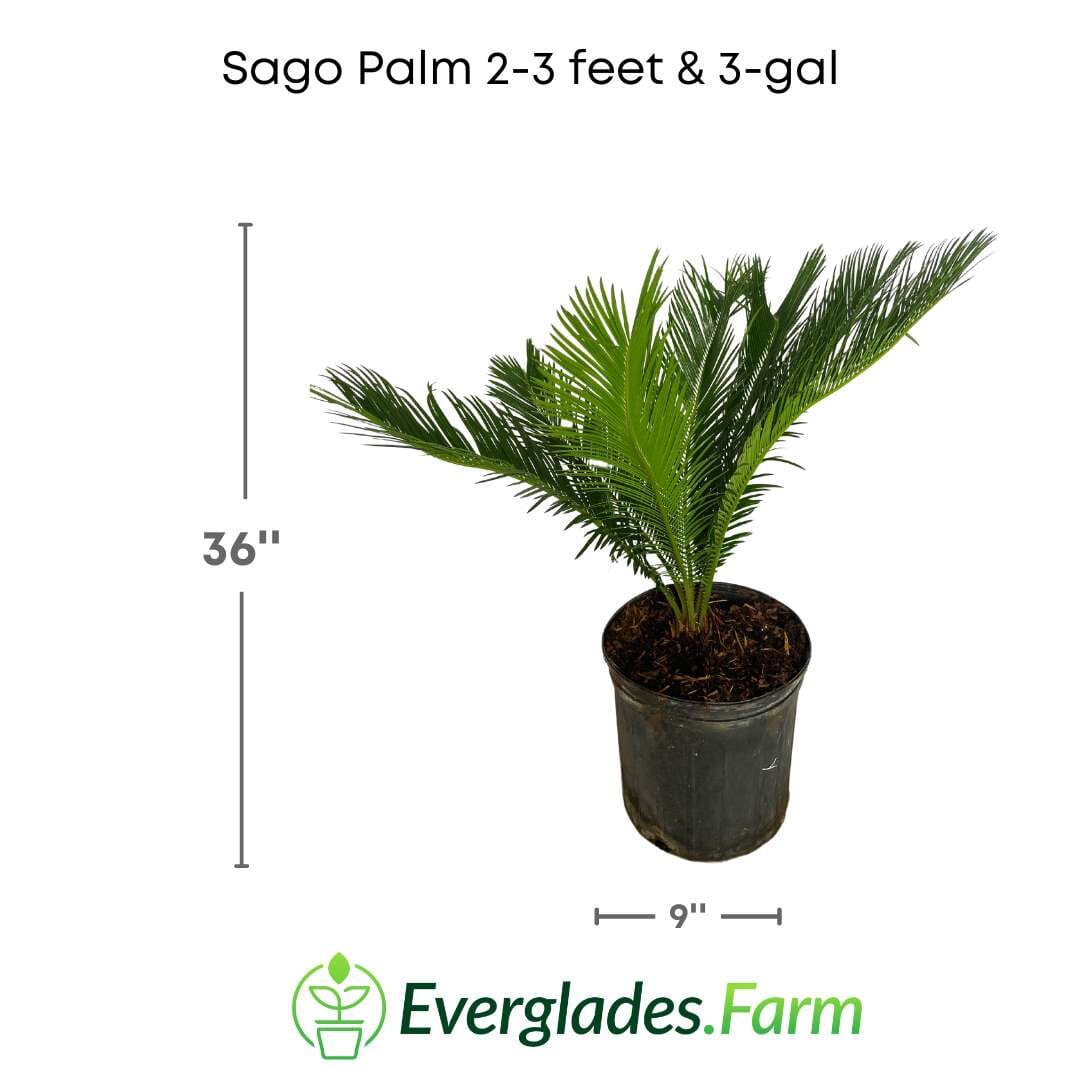
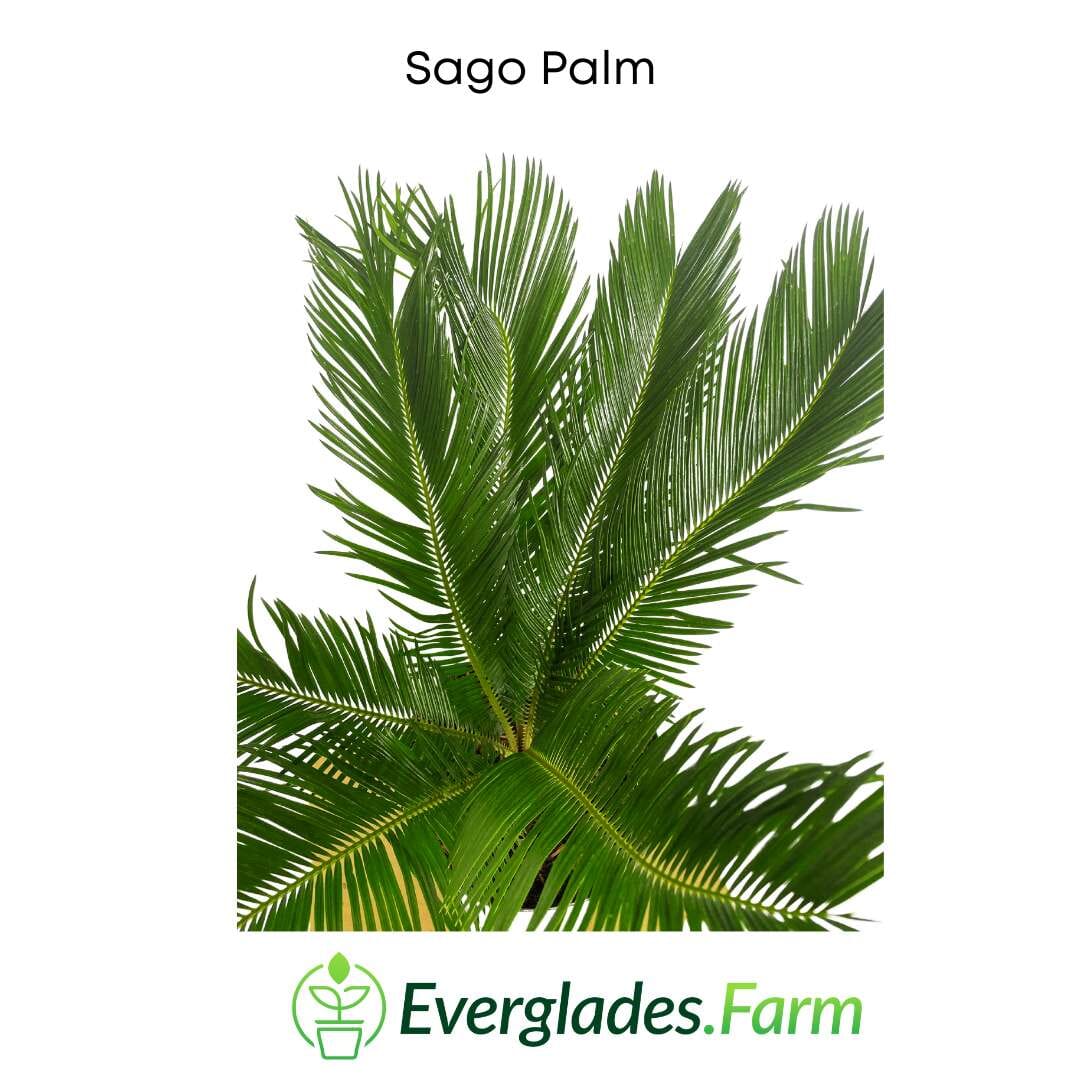
Sago Palm Tree in 3 gal container 3 feet tall
from $34.95
$59.95
Transform your space with our stunning Sago Palm from everglades farm! Standing at 2-3 feet tall and potted in a 3 gal container, this beautiful palm adds a touch of elegance and greenery to any room. Bring the beauty of nature indoors and enjoy the benefits of a calming and serene environment.


Saw Palmetto (Serenoa repens)
from $29.95
Saw Palmetto: The Medicinal Palm of the Southeastern US
Common Names: Saw Palmetto, Dwarf PalmettoFamily: ArecaceaeOrigin: Southeastern United States (Florida, Georgia, and the coastal regions)
Saw Palmetto (Serenoa repens) is a hardy, slow-growing palm native to the southeastern United States, known for its fan-shaped leaves and dense clusters of small, reddish-black berries. This native plant thrives in coastal plains, pine forests, and sandy soils. Though primarily grown for ornamental purposes, Saw Palmetto is widely renowned for its medicinal properties, particularly in supporting urinary and prostate health. The berries have been used for centuries in traditional medicine, and Saw Palmetto remains a popular herbal remedy today.
Distinctive Features, Uses, and Medicinal Value
Fruits: Saw Palmetto produces small, dark berries that have been used in herbal medicine for centuries. The berries are rich in fatty acids and phytosterols, which are believed to help support prostate health, particularly in treating benign prostatic hyperplasia (BPH) and promoting healthy urinary function. Saw Palmetto extracts are commonly found in supplements, and the fruit is often dried or made into tinctures.
Leaves: The plant has fan-shaped, stiff green leaves with saw-like edges (hence the name "Saw Palmetto"). These leaves are tough, drought-tolerant, and often used to create a striking landscape accent.
Growth Habit: Saw Palmetto is a low-growing, spreading palm that typically reaches 4-10 feet in height. It can form dense clumps and spreads horizontally via underground rhizomes, making it an excellent groundcover plant in coastal or sandy environments.
Traditional Medicinal Uses
Saw Palmetto has long been used by Native American tribes, particularly the Seminole, for its medicinal properties. The berries were traditionally consumed to treat urinary and reproductive health issues, as well as to boost vitality and immune function. Modern research has focused on its potential benefits in managing prostate health and balancing hormone levels, particularly in men.


Sculpit (Silene inflata)
from $19.95
$59.85
Mild Italian Green with Whimsical Flowers and Culinary Charm
Sculpit (Silene inflata syn. vulgaris), also known as Stridolo, Silene, or Bladder Campion, is a delicate and flavorful herb cherished in Italian and Eastern European cuisine for its tender, slightly wild greens. Its mild, slightly herbal flavor is often described as a cross between arugula, tarragon, and chicory, making it perfect for use in omelets, risottos, salads, soups, or chopped fresh into herb blends.
This perennial features soft, edible green leaves and delicate balloon-like flowers that attract beneficial pollinators and give the plant an ornamental edge. Sculpit thrives in full sun to part shade, grows quickly in spring and fall, and reseeds easily for continued harvest year after year.
Perfect for edible landscaping, cottage gardens, or permaculture herb spirals, Sculpit is low-maintenance, cold-hardy, and packed with culinary and ecological value.


Self Heal Herb (Prunella vulgaris)
$19.95
Self Heal, commonly known as heal-all or cure-all plant, is a very interesting and important wildflower herb whose young stems and leaves are cultivated for myriad medicinal and culinary purposes. In traditional herbal medicine, Self Heal is said to assist in general healing of the body.
Self Heal grows in a range of light and soil conditions but does really well as a groundcover with light shade. Self Heal ranges in growth from 6-20 inches. It spreads from the taproot and cutting back will yield stronger, thicker stems. Self heal is fairly drought tolerant and low maintenance once it is established. Flowers provide excellent forage for bees and are loved by pollinators!


Senegal Date (Phoenix reclinata)
$24.95
Graceful, Hardy, and Edible Palm
Common Names: Senegal Date Palm, African Wild Date Palm, Reclinata PalmFamily: ArecaceaeOrigin: Tropical and Subtropical Africa, Madagascar
Senegal Date Palm (Phoenix reclinata) is a beautiful, multi-trunked palm tree native to tropical and subtropical Africa, known for its elegant, arching fronds and edible fruit. This hardy palm is highly versatile, growing in a wide range of soils and climates, making it a popular choice for landscaping in both tropical and subtropical regions. The fruit, while smaller and less fleshy than the cultivated date (Phoenix dactylifera), is still edible and enjoyed by both people and wildlife. With its graceful, feathery leaves and attractive, clumping growth habit, Senegal Date Palm adds an exotic and lush element to any garden or landscape.
Distinctive Features, Uses, and Edible Value
Fruits: Senegal Date Palm produces small, oval, orange-brown fruits that resemble dates. While not as sweet or fleshy as commercial dates, they are edible and often used by local populations in their native regions. The fruit is a good source of fiber and nutrients and is often consumed fresh or dried.
Foliage: The palm’s long, feathery fronds are made up of narrow leaflets, creating an elegant, arching canopy. The leaves can grow up to 10-15 feet in length, giving the tree a tropical, lush appearance.
Growth Habit: Senegal Date Palm has a clumping, multi-trunked growth habit, often forming a dense cluster of slender trunks. The tree can grow up to 20-40 feet tall with a spread of 15-25 feet, making it a striking feature in landscapes.
Ornamental and Practical Uses
Senegal Date Palm is commonly used in landscaping for its aesthetic appeal, providing shade and an exotic look to gardens, parks, and urban settings. The palm’s multi-trunked form and graceful leaves make it an excellent focal point in tropical and subtropical gardens. In its native regions, the palm is also valued for its edible fruit and is used in agroforestry for its ability to thrive in difficult conditions.

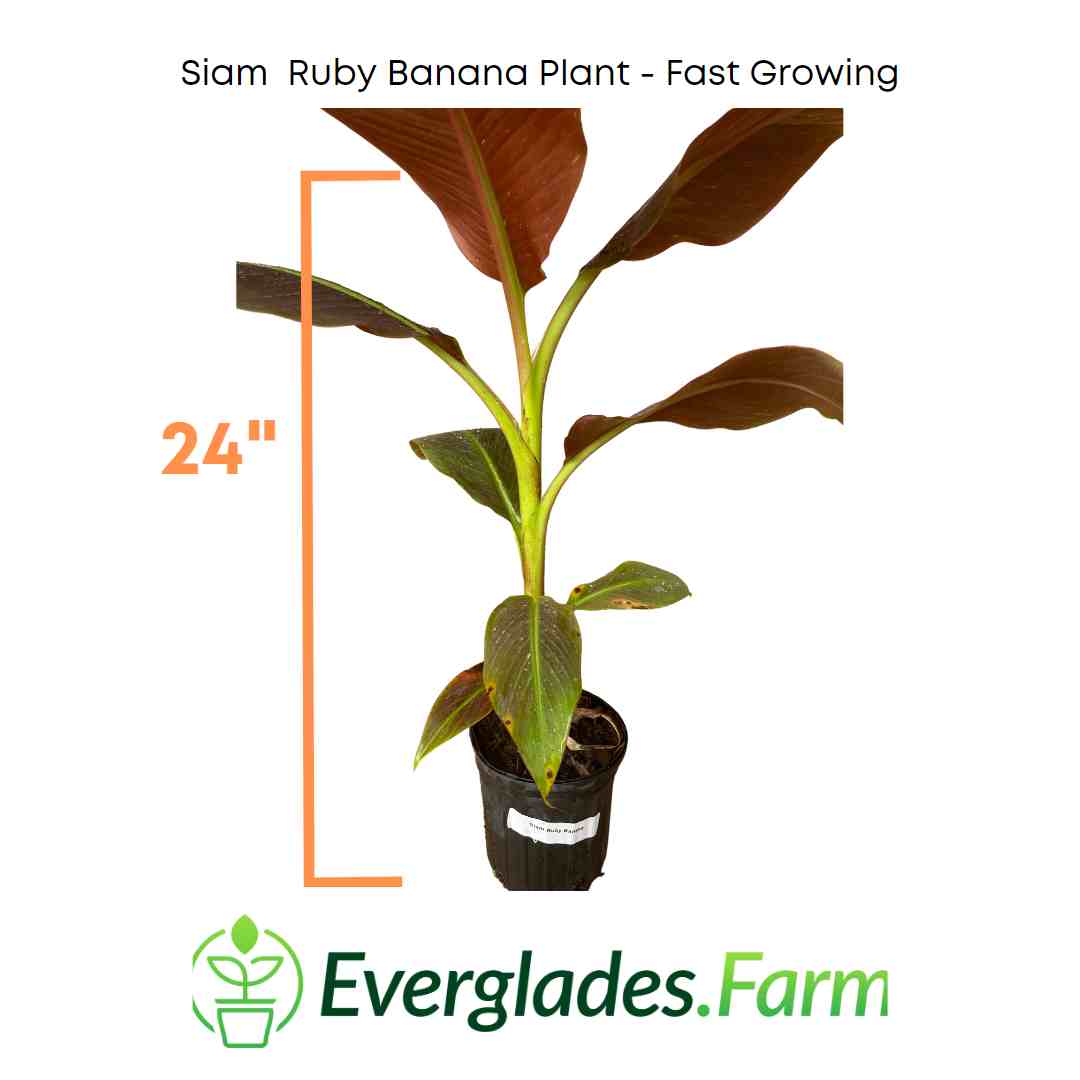
Siam Ruby Banana Plant
from $29.95
$49.95
Siam Ruby Banana Plant (Musa 'Siam Ruby') - A Stunning Ornamental Marvel
Key Features:
Dramatic Red Color: The Siam Ruby Banana Plant is renowned for its striking, deep red leaves, accented with hints of bronze and vivid chartreuse green speckles. As the plant matures, these colors intensify, creating a dramatic display that captivates any space.
Growth and Appearance: Young plants start as bright green and develop their characteristic red coloration as they grow, typically reaching about 12 inches in height. The more sunlight the plant receives, the more vibrant and intense the red hue becomes, offering deeper contrasts with the occasional green variegation.
Ornamental Beauty: This plant is purely ornamental and does not produce fruit. Its stunning foliage makes it a perfect addition to mixed plant arrangements or as a standalone showpiece in gardens, patios, or indoor settings.
Plant Specifications:
Size: The Siam Ruby Banana Plant is shipped in a one-gallon plastic container and stands around 2 feet tall, making it a versatile choice for both indoor and outdoor environments.
Zone: Suitable for USDA Hardiness Zones 9-11.
Care Requirements: This low-maintenance plant thrives in full sun to partial shade and requires regular watering. With proper care, it will continue to impress with its vibrant colors and robust growth.
Add a Touch of the Tropics to Your Space:The Siam Ruby Banana Plant is a conversation starter, sure to turn heads wherever it is placed. Its exotic appearance and low-maintenance nature make it a highly desired addition to any plant collection.
Order Yours Today:Elevate your garden or indoor space with the striking beauty of the Siam Ruby Red Banana Plant. Whether you're a seasoned gardener or just starting, this plant is a perfect choice to add a splash of color and tropical flair to your surroundings.


Siberian Motherwort (Leonurus sibiricus)
$19.95
Siberian Motherwort, also known as Marihuanilla or Honeyweed, is a perennial or annual medicinal herb. It grows tall, erect, and full of vibrant purple flower spikes. The flowers produced in whorls around the upper half of the stems and it's toothed foliage are highly ornamental and unique. It makes a showstopping hedge and is beloved by pollinators.
Siberian Motherwort grows wild along the coastal regions of Brazil and Mexico, but is native to China, Mongolia, and (surprise!) Siberia. Medicinally, this plant was traditionally used in Chinese medicine to help alleviate some symptoms of menstruation or for ritual smoking purposes. It's purported effects are comparable to cannabis in that they provide a mellow and relaxed sensation.
This plant does not tolerate frost and can be overwintered indoors. Siberian Motherwort is of the Leonurus (mint) family of plants and very closely related to two other Sow Exotic favorites; Klip Dagga and Wild Dagga.

Simpson's Stopper (Myrcianthes fragrans)
$19.95
Fragrant, Hardy Florida Native
Common Names: Simpson's Stopper, Twinberry, NakedwoodFamily: MyrtaceaeOrigin: Southeastern United States, Caribbean
Simpson's Stopper (Myrcianthes fragrans) is a versatile, evergreen shrub or small tree native to Florida and the Caribbean. It is highly valued for its fragrant flowers, attractive foliage, and ability to thrive in a variety of soil types and climates. Known for its dense, glossy green leaves and small white flowers that bloom in spring and summer, Simpson’s Stopper is a favorite among native plant enthusiasts, pollinators, and wildlife. It produces small, bright orange to red berries that attract birds and other wildlife. This low-maintenance, hardy plant is often used for hedges, privacy screens, or as an ornamental feature in landscapes.
Distinctive Features, Uses, and Ornamental Value
Flowers: Simpson’s Stopper produces small, fragrant white flowers in clusters during the spring and summer months. These flowers are highly attractive to pollinators, including bees and butterflies.
Fruits: The plant produces small, round, orange to red berries that are edible and enjoyed by birds and other wildlife. These berries can be used to make jellies and preserves but are more commonly left for wildlife to enjoy.
Foliage: The glossy, dark green leaves are aromatic when crushed, releasing a pleasant fragrance that adds to the plant’s ornamental appeal. The dense foliage makes it an excellent choice for hedging or screening.
Growth Habit: Simpson's Stopper grows as a dense, compact shrub or small tree, typically reaching 10-20 feet in height. It is slow-growing but very long-lived, making it ideal for low-maintenance landscapes.
Ornamental and Environmental Uses
Simpson's Stopper is widely used in Florida and other warm climates as an ornamental plant in native gardens, hedges, and privacy screens. Its dense growth and fragrant foliage make it a popular choice for garden borders and formal landscapes. In addition to its ornamental uses, Simpson’s Stopper provides important environmental benefits, such as attracting pollinators with its fragrant flowers and providing food for birds with its berries.
The plant is highly drought-tolerant once established and is salt-tolerant, making it suitable for coastal gardens. It is also resistant to most pests and diseases, making it an easy-care choice for gardeners looking to create a natural, wildlife-friendly environment.
Simpson's Stopper is a fruiting shrub or small tree native to Florida, among other exotic locales like the Caribbean, Mexico, and Central America, all the way south through Colombia and Venezuela. It is a member of the Eucalyptus family and produces springtime flowers, colorful berries, and fragrant evergreen leaves.
The leaves have a warm nostalgic fall-like aroma when crushed - think spicey cinnamon and citrus. The showy white flowers are also very fragrant and are followed by red-orange berries in mid-summer and early fall. While these berries are edible and the fast-growing shrub is heavily utilized as a popular landscaping hedge, the plants are not often grown for the citrusy flavored berry - yet. I'll admit that the flavor and texture won't absolutely knock your socks off, but it's not unpalatable by any means and it really is a beautiful and useful native shrub. We love the look, texture, fragrance, and pop of color that growing Simpon's Stopper adds to our edible landscape!


Soapberry (Sapindus saponaria var. drummondii)
$49.95
$59.95
Native Tree with Natural Cleaning Power and Wildlife Value
The Western Soapberry (Sapindus saponaria var. drummondii), also known as Soap Tree Soapnut, is a remarkable North American native tree with a long tradition of use as a natural soap source. Its round, golden berries are packed with saponins—plant-based compounds that lather in water and clean naturally, making this tree a sustainable alternative for eco-friendly laundry and household use.
Beyond its soap-producing fruit, Soapberry is a beautiful, fast-growing deciduous tree that thrives in warm, dry, and rocky soils, making it an excellent choice for low-water landscapes and rewilding projects. In spring, it produces fragrant creamy-white flowers that attract pollinators, followed by clusters of shiny, translucent orange berries in fall.
Native to the southern United States, including parts of Texas, Oklahoma, and Florida, Soapberry provides excellent wildlife habitat and is highly adaptable to a range of environments. Its airy canopy and rugged resilience make it ideal for food forests, pollinator gardens, or as a functional ornamental shade tree.


Society Garlic (Tulbaghia violacea)
$19.95
Society Garlic, or Tulbaghia violacea, is a versatile perennial herb native to southern Africa. Known for its delicate, star-shaped lavender flowers and grassy, fragrant leaves, this plant is as beautiful as it is useful. Perfect for zones 7-10, it thrives in sunny gardens, containers, and borders, offering a unique combination of ornamental appeal and culinary utility.
The plant's leaves and flowers have a mild garlic flavor, making them an excellent addition to soups, salads, stir-fries, and pestos. Despite its garlic-like scent, it’s a member of the lily family and not a true garlic. Society Garlic is also drought-tolerant and low-maintenance, making it ideal for water-wise landscapes.
Plant Society Garlic in well-draining soil with full sun exposure. It is highly drought-tolerant once established and thrives with occasional watering. Deadhead flowers to encourage blooming, and divide clumps every few years to maintain vigor.

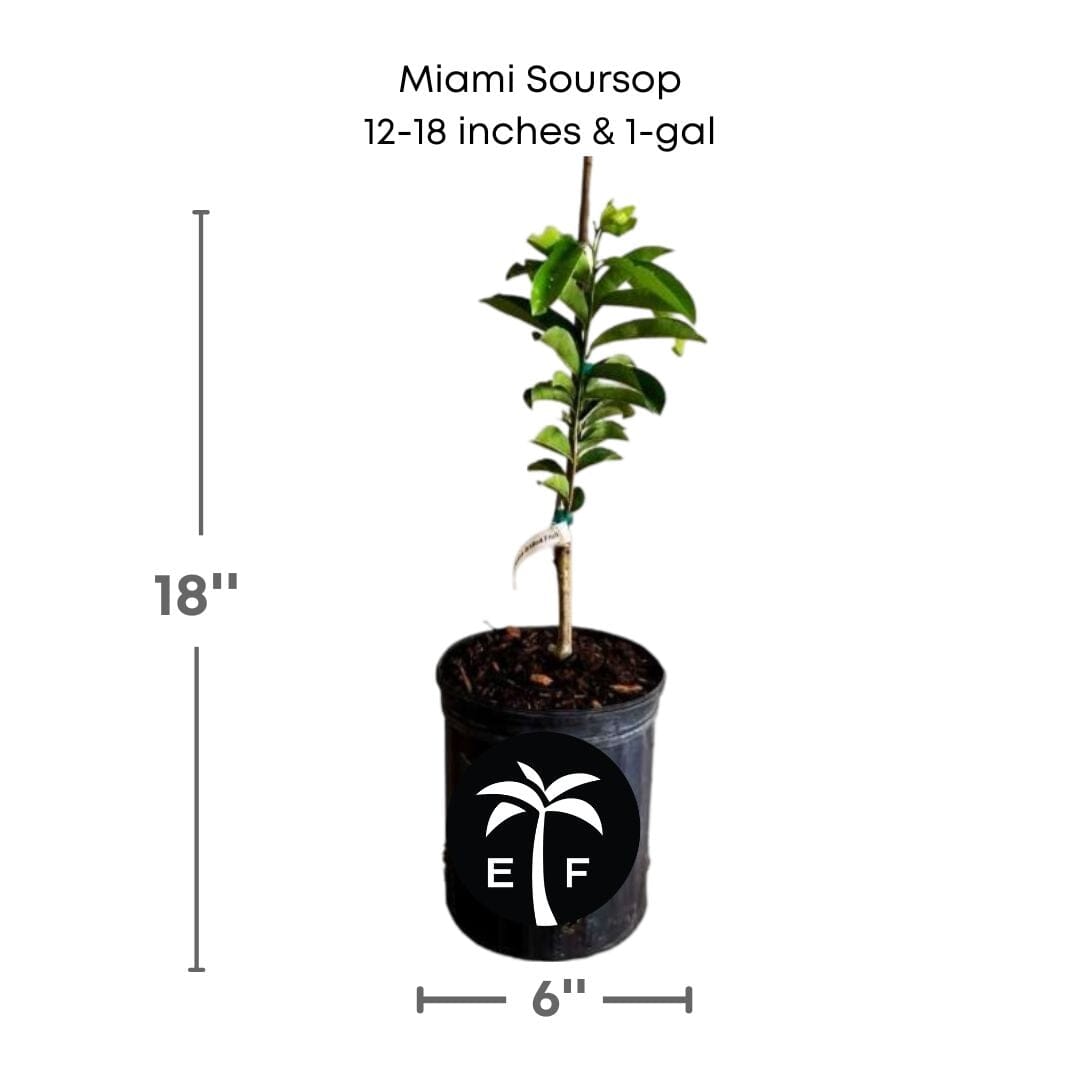
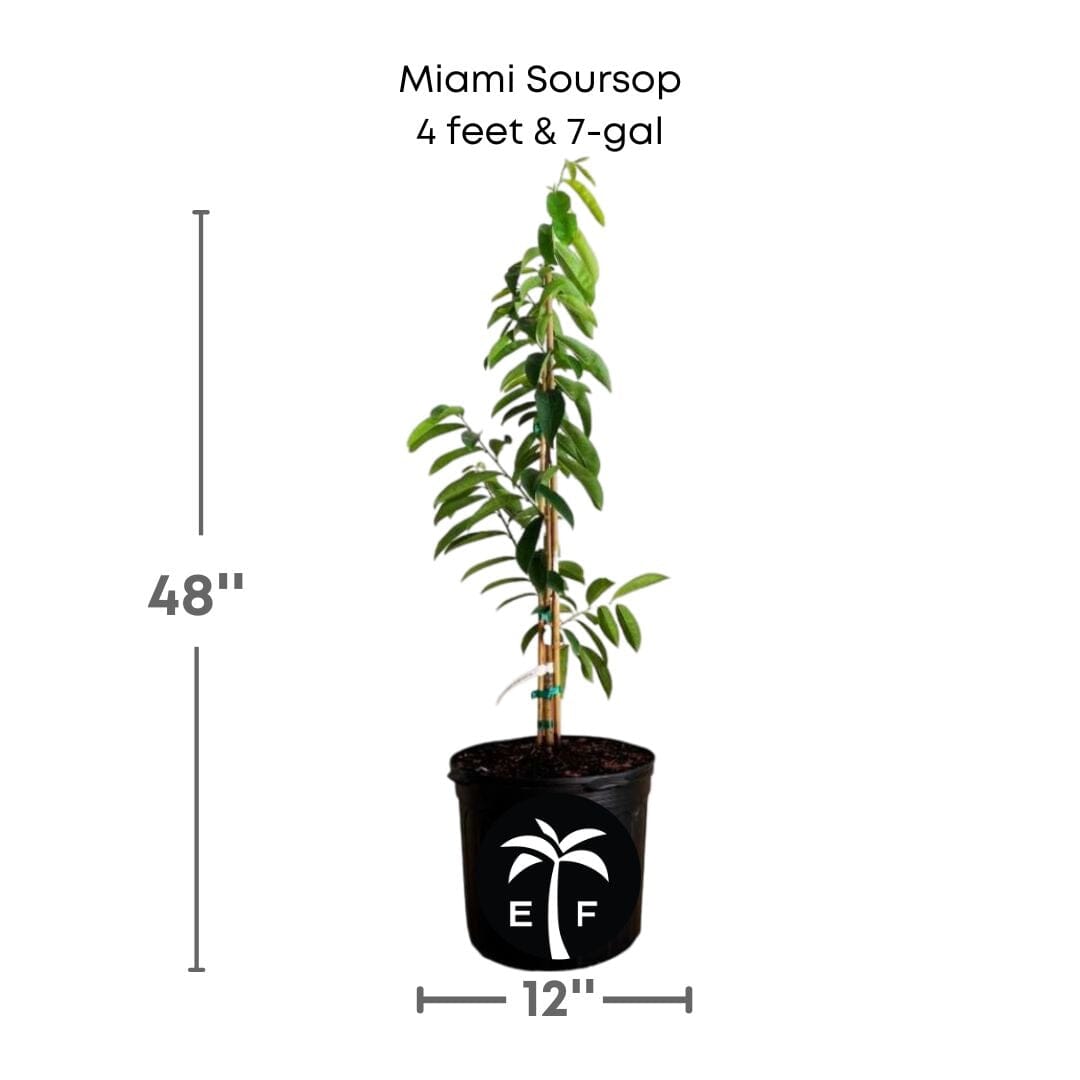
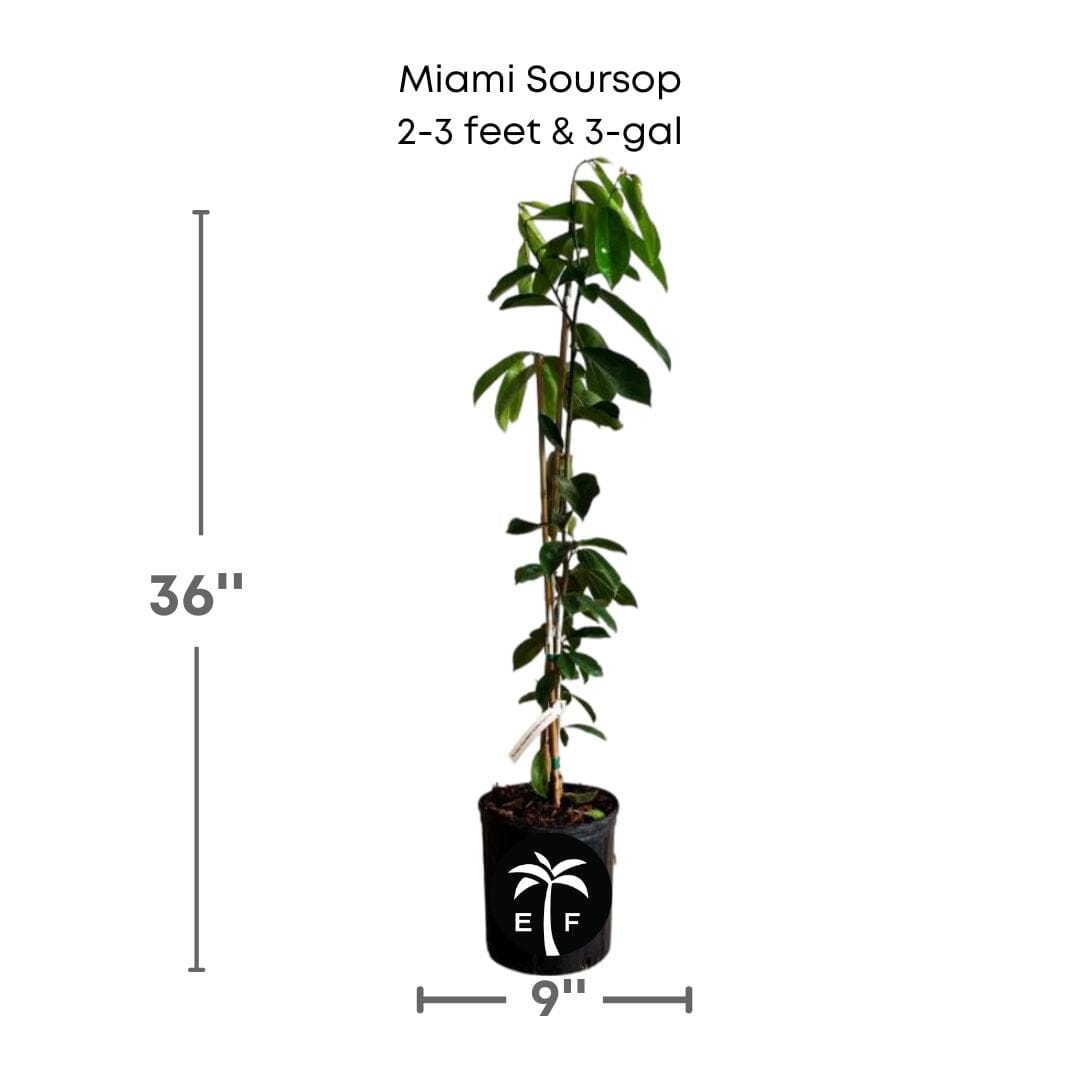
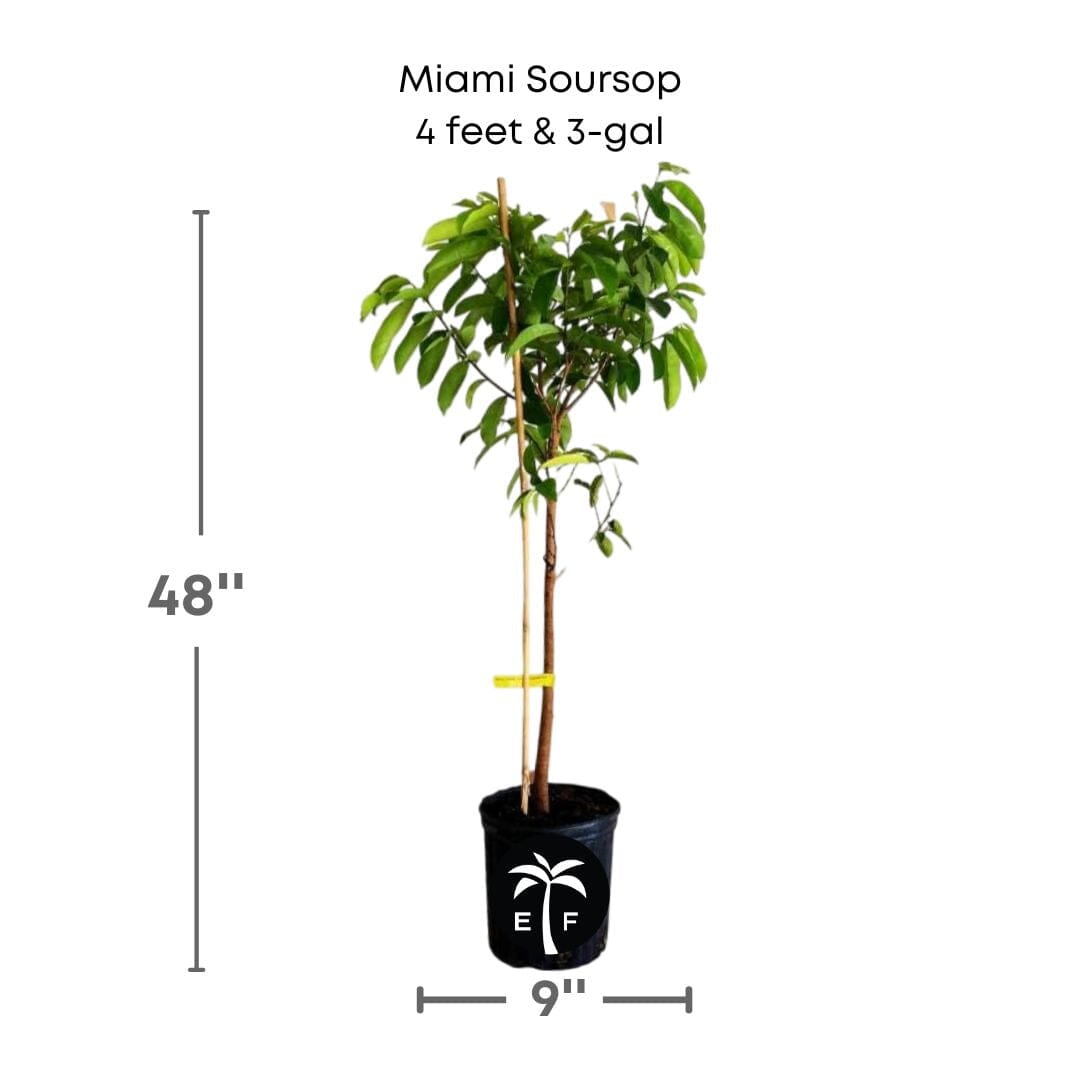
Soursop Guanabana from Seedlings Fruit Tree
from $37.95
$43.75
Bring a little tropical magic to your garden with this lively Soursop Guanabana seedling! Known for its sweet, tangy fruit with a creamy texture, this tree will charm your backyard while providing fresh, exotic treats. Easy to grow and full of character, it’s perfect for anyone ready to embark on a deliciously fun gardening adventure. Watch your green thumb glow as your soursop grows into a fruit-bearing star!

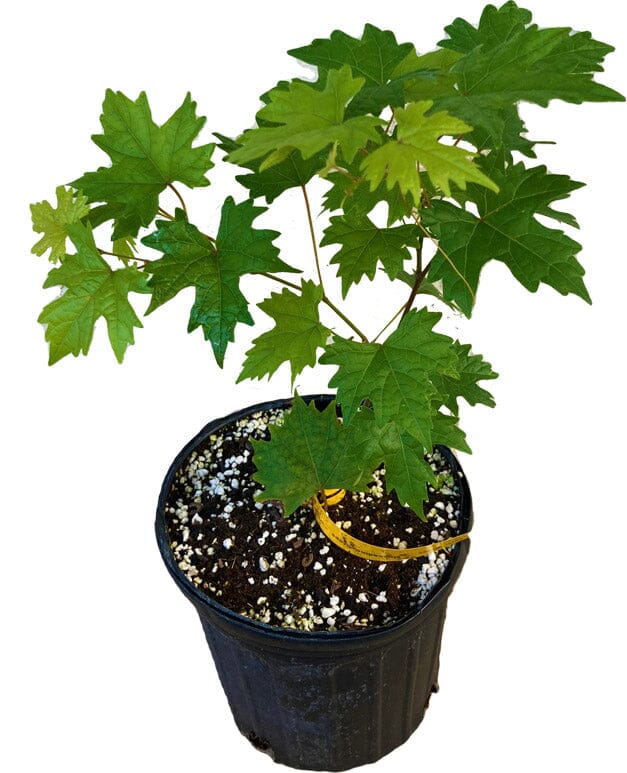
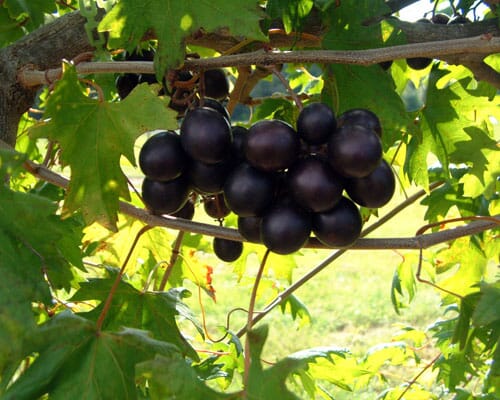
Southern Home Muscadine Hybrid Super Sweet Grape Plant
from $34.95
$49.95
Delightfully Distinct Flavor: Experience a unique twist on traditional muscadine flavors. The 'Southern Home' Muscadine Hybrid boasts a captivating taste that sets it apart from the ordinary.
Fresh Beauty for Your Space: Elevate your garden's allure with the 'Southern Home' Muscadine. Beyond its delectable fruit, this plant doubles as a striking ornamental piece, enhancing the aesthetic appeal of your trellis or fence.
Exquisite Leaf Aesthetics: The 'Southern Home' Muscadine isn't just about the grapes – its leaves are a work of art! Characterized by a charming oak-like shape, the foliage adds a touch of elegance and refinement to your outdoor space.
University-Crafted Excellence: Bred as a remarkable cross between traditional bunch and muscadine varieties by the esteemed University of Florida, the 'Southern Home' Muscadine is a testament to expert horticultural innovation.
Optimal Fruit Characteristics: Revel in medium-sized, captivating purple grapes that adorn your vine. The firm texture strikes a harmonious balance between tangy and sweet, making it a versatile choice for various culinary delights.
Abundant Clusters, Abundant Delights: Indulge in a bountiful harvest of perfectly round, deep purple-black grapes. The 'Southern Home' Muscadine delivers cluster after cluster of these delectable treats, ensuring your enjoyment throughout the growing season.
Ideal for Home Gardens: Renowned as the premier muscadine variety for home gardens, 'Southern Home' charms with its intricate foliage and delightful fruit. It's your ticket to a thriving, visually captivating, and flavor-rich garden.
Versatile Culinary Marvel: Whether enjoyed straight off the vine, transformed into freshly squeezed juice, or incorporated into a variety of recipes, the 'Southern Home' Muscadine's exceptional taste and texture elevate your culinary creations.
Nature's Perfect Sweet-Tart Balance: With a nuanced blend of sweetness and tartness, these grapes are a true gastronomic delight. The 'Southern Home' Muscadine hits all the right notes, appealing to a wide range of palates.
Growth Made Graceful: The finely cut, green grape leaves create an enchanting canopy as they gracefully drape over your trellis or fence. Watch as your garden transforms into a romantic oasis, courtesy of the 'Southern Home' Muscadine.


Spanish Needle (Bidens Alba)
$19.95
A Pollinator Magnet and Resilient Wildflower
Bidens alba, commonly known as Shepherd's Needle, Spanish Needles, Beggarticks, or Butterfly Needles, is a hardy, fast-growing wildflower native to Florida and much of the Americas. Beloved by pollinators, its bright white daisy-like flowers with yellow centers bloom nearly year-round in warm climates, providing nectar for bees, butterflies, and other beneficial insects.
This versatile perennial or self-seeding annual thrives in full sun and a range of soil types, from poor sandy soils to fertile garden beds. It typically grows 1-4 feet tall and spreads quickly, making it ideal for naturalizing, erosion control, or wildflower gardens. The plant is drought-tolerant once established and can be easily propagated from seeds, which cling to clothing and fur for easy dispersal. It also has edible and medicinal uses—its young leaves can be eaten raw or cooked, and it has traditional applications in herbal remedies.
Bidens alba is an essential plant for supporting biodiversity while adding charm to your garden or landscape. Let its cheerful blooms and ecological benefits inspire your next gardening project!


Star Fruit 'Sri Kembangan' (Averrhoa carambola)
from $59.95
Sweet, Nutrient-Rich Grafted Variety
Common Names: Star Fruit 'Sri Kembangan', CarambolaFamily: OxalidaceaeOrigin: Southeast Asia
Star Fruit 'Sri Kembangan' (Averrhoa carambola) is a highly productive and sweet variety of this exotic tropical fruit. Grafted for faster growth and earlier fruiting, our 'Sri Kembangan' trees are capable of fruiting now, providing a bounty of delicious star-shaped fruit. This variety is known for its exceptionally sweet flavor with minimal tartness, making it ideal for fresh eating, juicing, or adding to salads and desserts. Star fruit is not only tasty but also packed with nutritional benefits. It is low in calories and rich in vitamin C, fiber, and antioxidants, supporting immune health and digestion. The tree itself is compact, making it suitable for home gardens or container growing in tropical and subtropical climates.
Distinctive Features, Uses, and Nutritional Value
Fruits: The 'Sri Kembangan' variety produces large, golden-yellow star fruits with a sweet, juicy flavor. Each fruit has a unique star-shaped cross-section and a crisp texture. Star fruit is an excellent source of vitamin C, which supports the immune system, skin health, and overall wellness. It is also rich in dietary fiber, which aids digestion, and antioxidants that help combat free radicals. Additionally, the fruit is low in calories and fat, making it a healthy, refreshing snack.
Foliage: The tree has attractive, glossy, green pinnate leaves that fold up at night, adding a dynamic and tropical look to the garden.
Growth Habit: 'Sri Kembangan' is a small to medium-sized evergreen tree that can reach heights of 15-25 feet but can be pruned to maintain a smaller size, making it perfect for home gardens or container growing.
Culinary and Ornamental Uses
Star fruit is highly versatile in the kitchen. Its sweet, slightly tangy flavor makes it perfect for fresh eating, juicing, or adding to fruit salads, smoothies, and desserts. It can also be used as a garnish for drinks or as a decorative addition to meals due to its beautiful star-shaped slices. In addition to its culinary value, the tree itself is highly ornamental, with dense green foliage and clusters of star-shaped fruit that add beauty and an exotic touch to tropical gardens.

Star Fruit Seedling (Averrhoa carambola)
from $19.95
Star Fruit is an evergreen tropical fruit tree with woody, drooping branches. It makes a great ornamental addition to a home landscape, ticking all of the boxes for a plant that’s useful and good looking. Star Fruit is easy to grow and produces an over abundance of delicious and unique-shaped fruit.
In a tropical to subtropical climate, you can reap the bountiful rewards of growing Star Fruit trees that fruit nearly year-round, when exotic purple flowers give way to the 5-sided star fruits. Carambola fruits are in their prime when they ripen on the tree to a yellow-orange color. Enjoy this sweet star fruit variety fresh, in tea, or combination with other fruits and desserts, or as a garnish for tropical-themed dishes.
Star Fruit seedlings are capable of producing fruit within 2-3 years.


Stevia (Stevia rebaudiana)
$19.95
Stevia, scientifically known as Stevia rebaudiana, is a remarkable plant highly esteemed for its sweet leaves, which are a natural, zero-calorie alternative to sugar. Originating from South America, stevia has been used for centuries by the Guarani peoples of Brazil and Paraguay, primarily for sweetening beverages and as a herbal remedy. This hardy perennial is easy to grow in well-drained soils and thrives in warm, sunny environments, making it a fantastic addition to your herb garden.
Helpful Hint: as a sweetener, 1/4 of ground leaves is equal to 1 tsp of sugar.
Our stevia plants are naturally grown and carefully selected to ensure the highest quality. Each plant comes in a 4-inch biodegradable pot, ready to be transplanted into your garden or container. The leaves can be harvested as soon as they are fully developed, typically within a few months of planting. Enjoy natural sweetness in your beverages and desserts, or dry the leaves to create your own stevia powder. With our robust plants, you can sustainably produce your sweetener year after year.


Sugar Loaf Pineapple Plant
from $29.95
$49.95
Introducing the Exquisite Sugar Loaf Pineapple Plant - A Tropical Delight from Florida!
Discover the remarkable features of the Sugar Loaf Pineapple Plant available for sale exclusively at Everglades Farms. Whether you're a seasoned gardener or a budding enthusiast, this extraordinary pineapple variety promises a unique and delectable addition to your collection. Here's why the Sugar Loaf Pineapple Plant deserves a prime spot in your garden:
Distinct Cylindrical Shape: The Sugar Loaf Pineapple boasts a distinctive cylindrical form, gently tapering towards its crown. Weighing an average of 4 to 6 pounds, it presents a visually appealing centerpiece that's both elegant and inviting.
Lusciously Juicy White Flesh: Indulge your senses with each bite of the Sugar Loaf Pineapple's white, exceptionally juicy flesh. Delight in its floral aroma and creamy, non-stringy texture that sets it apart from other pineapple varieties.
Sensational Flavor Profile: Prepare your taste buds for an unparalleled experience. The Sugar Loaf Pineapple's flavor is an exquisite blend of extraordinary sweetness with delicate hints of honey, offering a gastronomic journey like no other. Say goodbye to overwhelming acidity – this variety is a true tropical delight.
Vibrant Rind: The thin and waxy rind of the Sugar Loaf Pineapple is a testament to its exceptional quality. While maintaining a tough and protective exterior, its vibrant green color persists even when fully ripe. Witness the play of golden yellow to orange tones at the heart of its distinct hexagonal segments.
Elegant Foliage: The pinnacle of elegance, the Sugar Loaf Pineapple Plant is crowned with a tight grouping of smooth, stiff, pointed-tipped leaves. Adorn your garden with its presence, adding a touch of sophistication to your landscape.
Easy Care Tips: Our experts at Everglades Farms recommend optimal conditions to nurture your Sugar Loaf Pineapple Plant. While most pineapple plants require full sun, this unique variety thrives in semi-shaded environments. Ensure excellent soil drainage to promote healthy growth, and remember that these plants are foliar feeders. Avoid overwatering and provide nourishment through the leaves, not the soil.
Homestead's Finest: Grown with passion and dedication in our plant nursery nestled in the heart of Homestead, Florida, our Sugar Loaf Pineapple Plants reap the benefits of our region's subtropical climate. Each plant is meticulously cared for, ensuring you receive a specimen that's brimming with vitality and ready to flourish in your care.
Carefully Packaged: Your Sugar Loaf Pineapple Plant will be shipped in a sturdy plastic container, complete with nutrient-rich soil that lays the foundation for its growth journey in your garden. Our meticulous packaging guarantees a safe arrival, so you can begin your tropical gardening adventure without delay.
Elevate your garden's aesthetics and relish in the extraordinary flavors of the Sugar Loaf Pineapple. At Everglades Farms, we're proud to bring you a slice of tropical paradise from the heart of Florida. Order your very own Sugar Loaf Pineapple Plant today and embark on a rewarding journey of cultivation, beauty, and flavor.


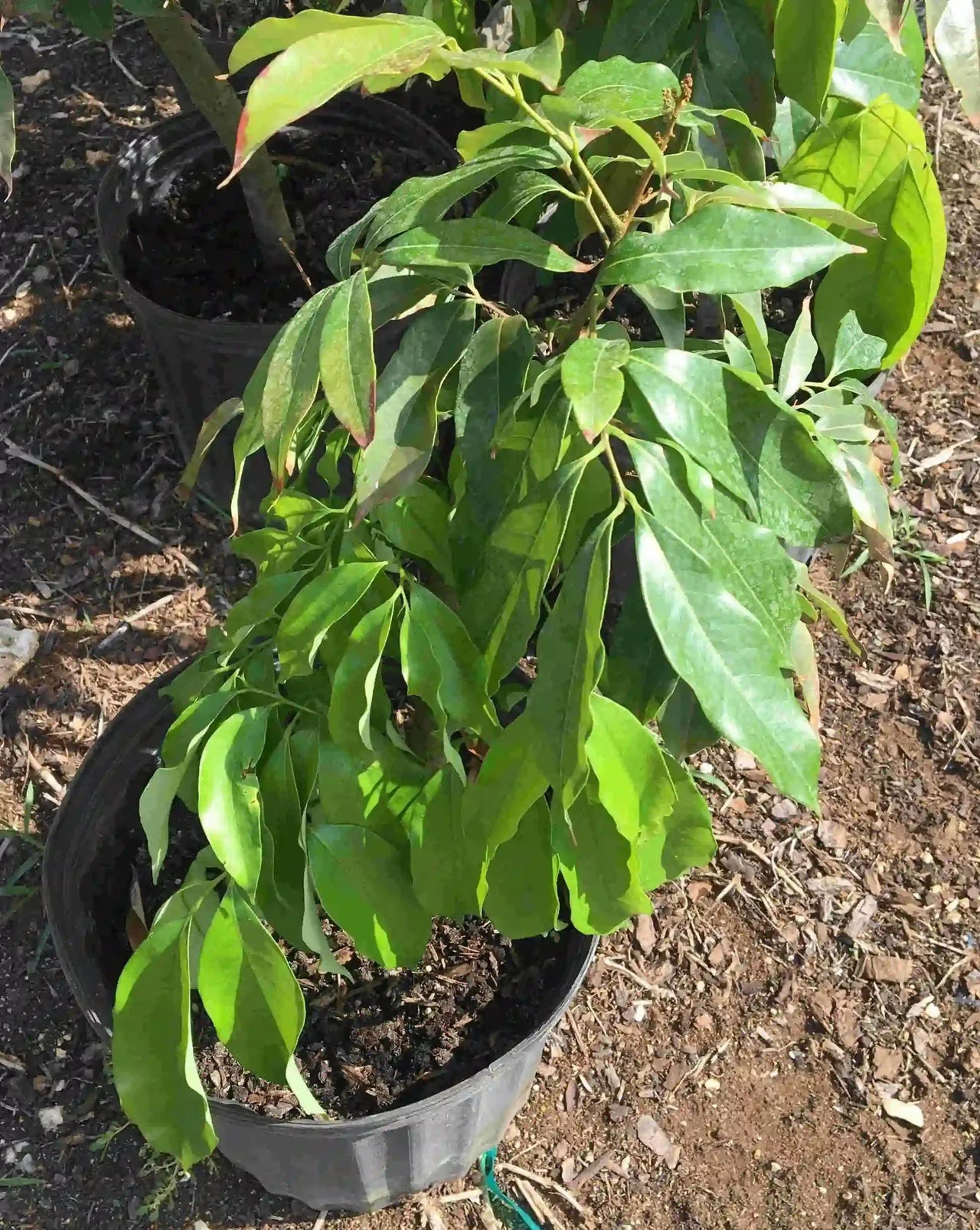
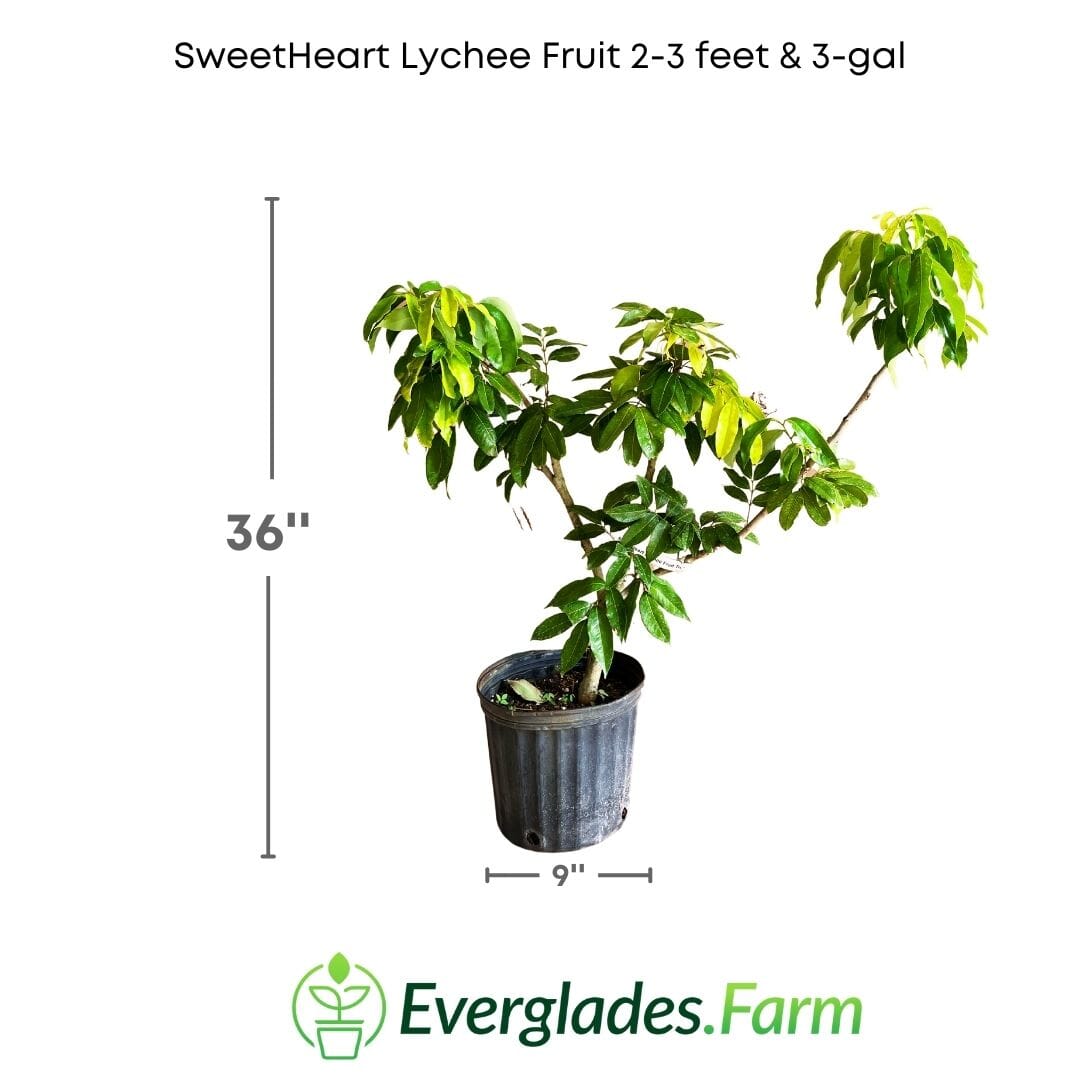
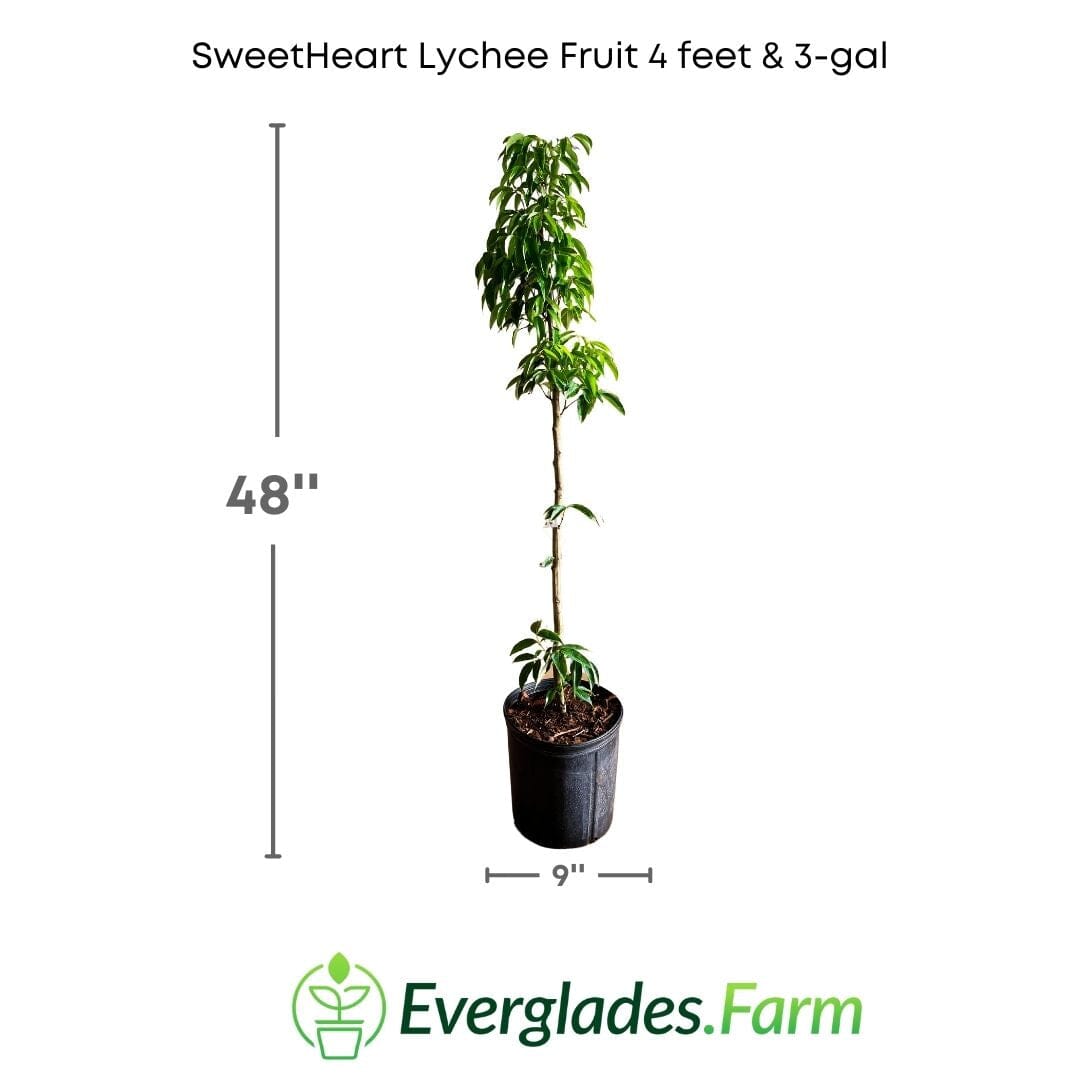
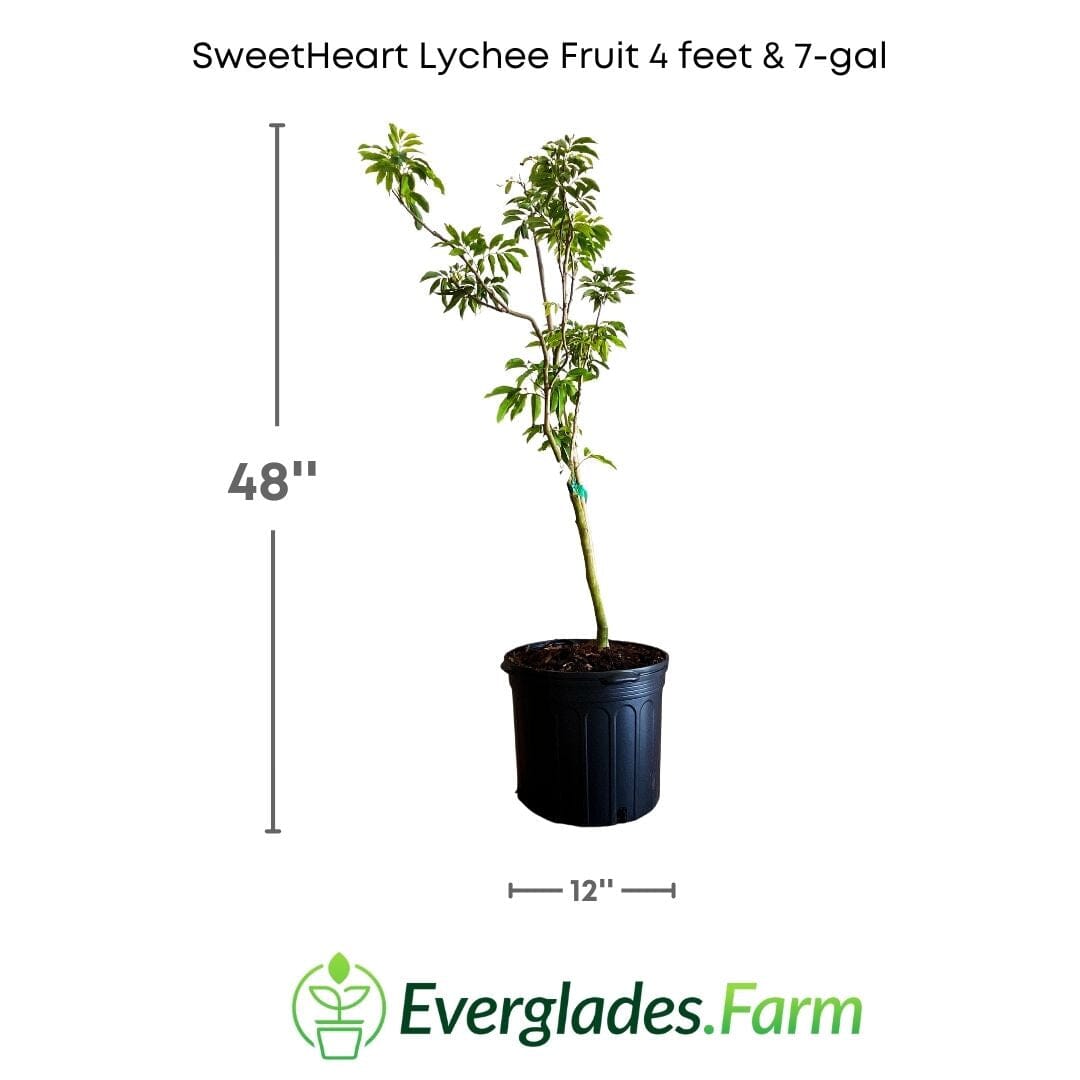
SweetHeart Lychee Tree
from $49.95
$69.95
Sweetheart is the top rated lychee variety for dooryard growers for its superior quality and reliability
The tree you are buying is in a plastic container. It should be watered every day, about 1/2 a gal of water. When you see the water overflowing from the bottom pot, it means you are putting too much water. The tree can be planted on the soil immediately. You still need to water it every day
Sweet and juicy with a rose fragrance Lychee’s are considered the King of fruit. With its rough, scaly outer skin, lychee’s shape is compared to a strawberry and ripens very fast from green to a beautiful bright red exterior. The fruit itself resembles a grape and can have a seed in the middle which is removed before eating this luxurious fruit
Depending on your destination and transit days, we might ship your tree until Monday, so that it does not sit on Fedex warehouses for 2-days during weekends. We cannot accept returns on our tropical fruit trees. Unless the carrier damages or destroys the live plant
This tree is propagated by air layering, this means that this tree is a clone of a mature tree and is able to produce fruit in 2-3 years
Tree is propagated from Airlayering
Read: Sweetheart Lychee vs Mauritius: Flavor and Characteristics Compared
Master the Sweetheart Lychee Tree: Planting and Care Steps
5 Effective Lychee Erinose Mite Treatment Strategies for Gardeners

Tea Plant Large Leaf Variety
from $37.95
$39.95
Discover the exquisite Camellia sinensis 'Large Leaf', a remarkable addition to your garden and tea collection. This hardy evergreen shrub is renowned for its large, leathery leaves that can reach up to 6 inches in length, making it ideal for producing high-quality teas.
Key Features:
Variety: Tetraploid, known for its robust growth and larger leaf size.
Height: Grows impressively to about 15 feet, with a spread of 10 feet over 10 years.
Flowers: Produces some of the largest flowers among tea plants, enhancing its ornamental appeal.
Growing Zones: Thrives in USDA Zones 7a-9, making it suitable for a variety of climates.
Benefits:
Tea Production: Perfect for crafting your own delicious white or green teas, as the buds and young leaves are harvested in spring for optimal flavor.
Wildlife Friendly: Attracts pollinators like bees, enriching your garden's ecosystem.
Low Maintenance: Requires minimal care while providing an endless supply of tea leaves.
Transform your gardening experience with the Camellia sinensis 'Large Leaf'—a beautiful plant that not only enhances your landscape but also offers the joy of home-brewed tea. Perfect for both novice and experienced gardeners!


Thuja Green Giant Arborvitae For Sale
from $24.95
$29.95
Add fast-growing privacy and timeless greenery to your landscape with the Green Giant Arborvitae. Known for its impressive growth rate, lush evergreen foliage, and natural disease resistance, this tree is a top choice for hedges, screens, and windbreaks.
The Green Giant Arborvitae forms a dense, pyramidal shape with rich green needles that hold their color year-round. It can grow 3–5 feet per year, quickly reaching a mature height of 40–60 feet while staying compact at the base. Unlike many fast-growing trees, it is low-maintenance, drought-tolerant once established, and resistant to most pests and diseases.
✨ Why You’ll Love It
One of the fastest-growing privacy trees
Strong and adaptable to many soil types
Resistant to bagworms, deer, and common arborvitae problems
Keeps its vibrant green color all year
Thrives in both urban and rural landscapes
🌱 Growing Tips
Light: Full sun to partial shade
Soil: Prefers moist, well-drained soil, but adaptable
Water: Water deeply and regularly until established
Spacing: Plant 5–6 ft apart for a dense privacy hedge
Maintenance: Minimal pruning needed; naturally forms a neat shape
Whether you need a fast privacy screen or a majestic evergreen specimen, the Green Giant Arborvitae delivers beauty, resilience, and shade for decades to come.

Tomate de Arbol | Tree Tomato | Tamarillo
$27.95
$37.95
Meet the Tomate de Arbol, also known as the Tree Tomato or Tamarillo, a vibrant and nutritious fruit native to the Andean highlands of South America. This versatile fruit is not only a delight to taste but also packed with numerous health benefits.
Key Features:
Nutritional Profile: Rich in vitamins A and C, iron, and dietary fiber, making it an excellent addition to a healthy diet.
Culinary Uses: Enjoy it as a sweet and tangy juice, blend into a spicy salsa, or use in chutneys and desserts.
Appearance: The fruit is egg-shaped, ranging in color from yellow to red and purple, with a firm texture and a sweet-tart taste.
Health Benefits: Supports heart health, aids in blood sugar regulation, and offers antioxidant properties that may help prevent certain cancers.