



Cherimoya (Annona cherimola)
from $24.95
Cherimoya, also called the Custard Apple, is one of the most celebrated tropical fruits in the world—so much so that Mark Twain famously called it “the most delicious fruit known to men.” Native to the Andean valleys of South America, this small, semi-deciduous tree produces large, heart-shaped green fruits with soft, custard-like white flesh. The flavor is a decadent blend of banana, pineapple, strawberry, and vanilla cream. Cherimoya is cherished for fresh eating but also used in smoothies, ice creams, and desserts. With its lush foliage and prized fruit, it’s a dream tree for rare fruit collectors and permaculture gardeners.
Why Grow Cherimoya?
Produces large, sweet, custard-like fruits with a tropical, complex flavor
Considered one of the best-tasting fruits in the world
Beautiful tree with lush, semi-deciduous foliage
Excellent addition to food forests, edible landscapes, and rare fruit collections
High in vitamin C, fiber, and antioxidants
Growing Tips
Cherimoya thrives in full sun with protection from extreme heat and wind. Plant in rich, well-drained soil, and water regularly to keep soil evenly moist. It prefers mild subtropical climates (USDA Zones 9b–11) and is not frost-tolerant when young. In cooler climates, grow in a large container and overwinter indoors. Hand-pollination is often recommended for reliable fruit set, as natural pollinators may be limited outside its native range. Prune in late winter to shape the tree and encourage new growth. Grafted trees may produce fruit within 1-2 years, seedlings within 3-4 years.
Cultural & Culinary Significance
Cherimoya has been cultivated in the Andean highlands for thousands of years, where it remains a cultural staple. The name chirimoya means “cold seeds” in Quechua, reflecting its ability to grow in cool, high-altitude valleys. Today, it’s prized worldwide for its luscious, creamy texture and complex flavor—often eaten with a spoon straight from the fruit, blended into smoothies, or made into custards, ice creams, and tropical desserts

Chicago Hardy Fig Ficus carica
from $29.95
$49.95
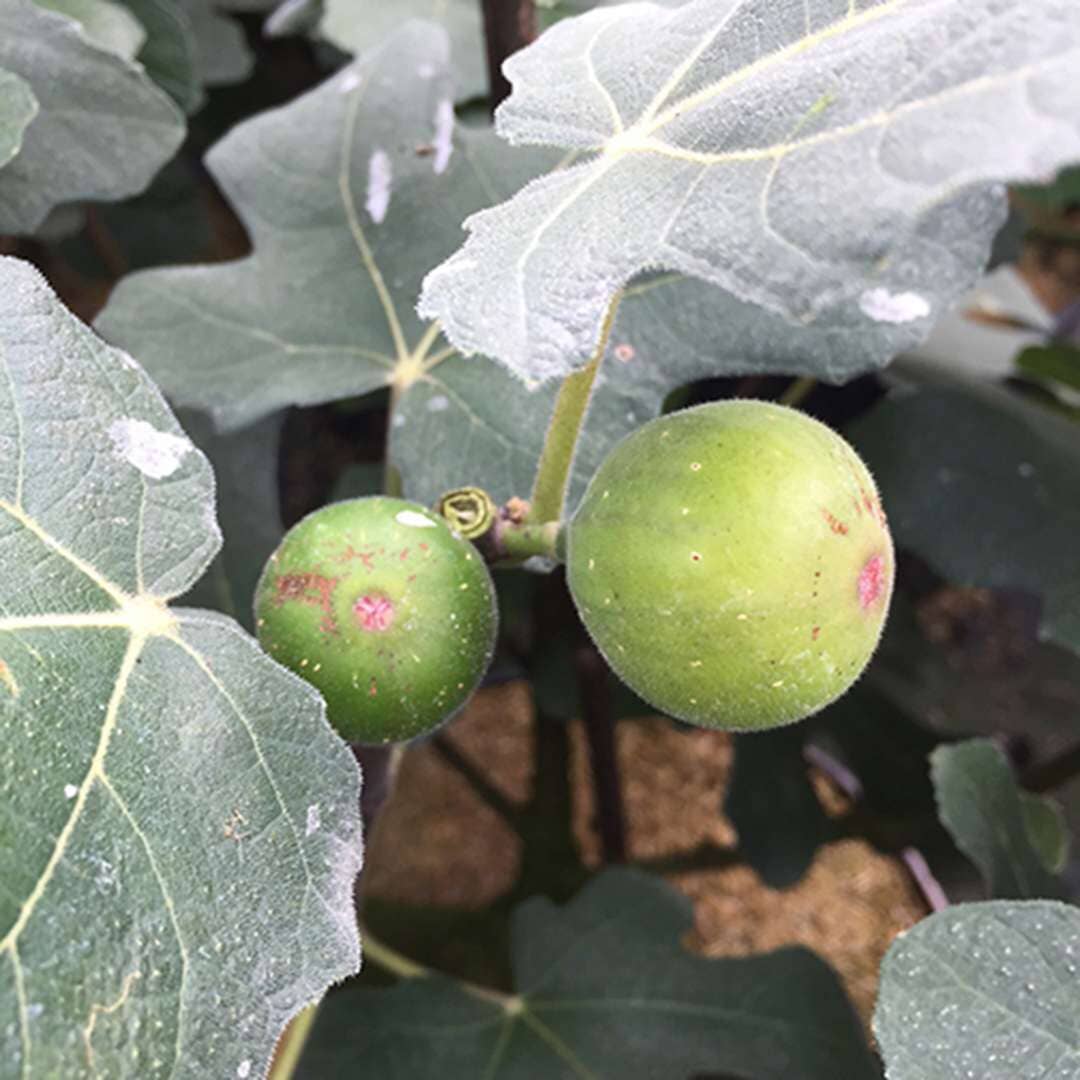
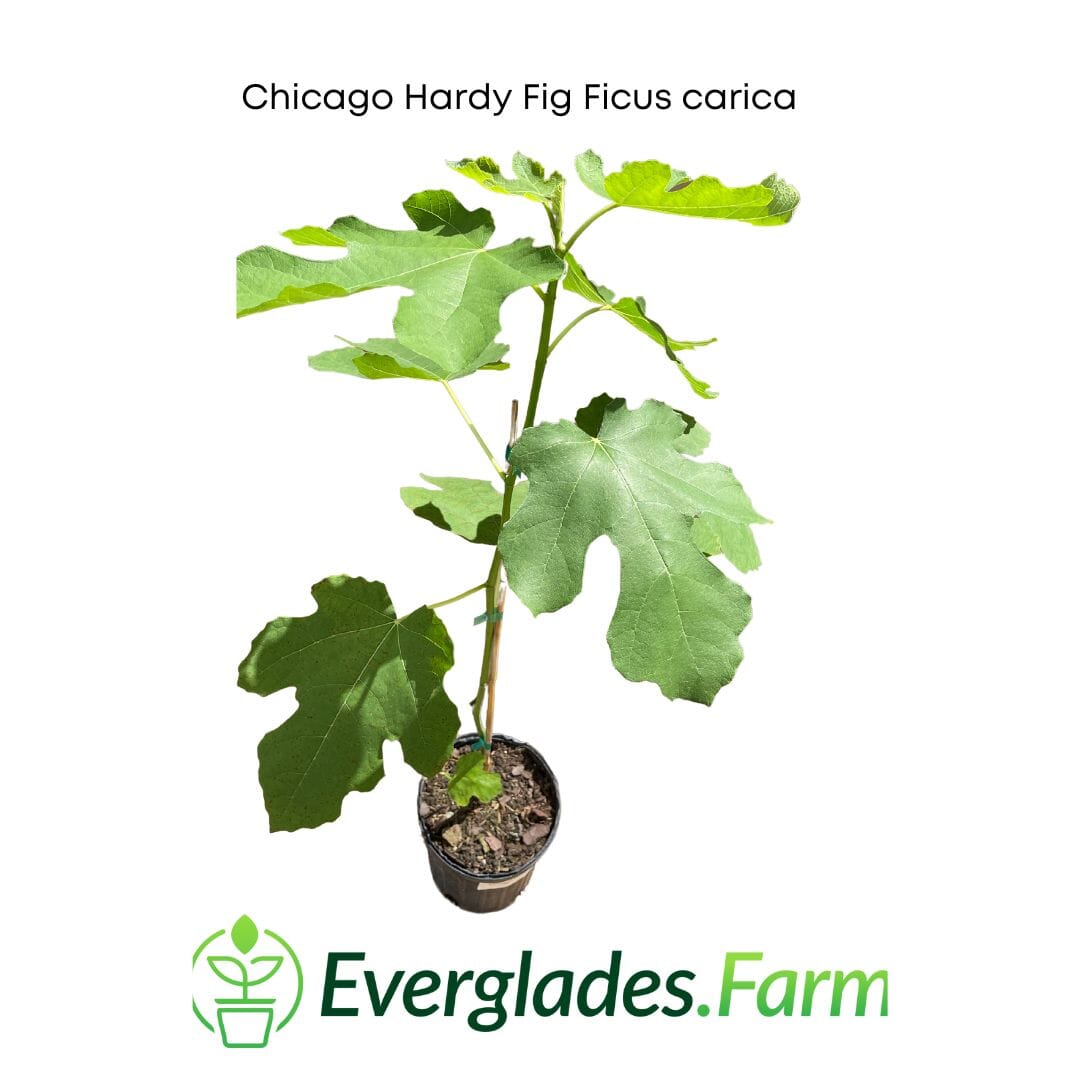
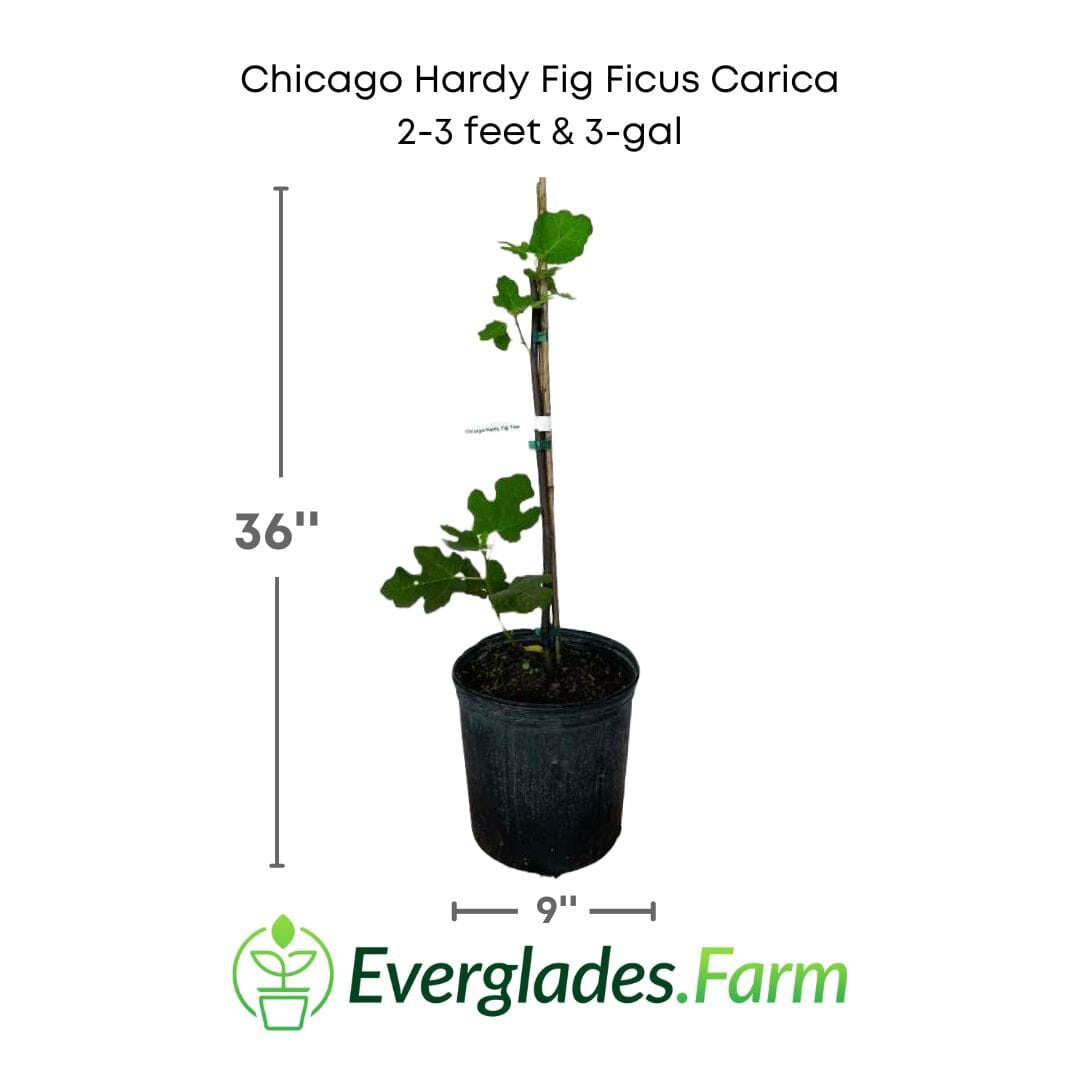
Chicago Hardy Fig - Ficus carica: The Resilient and Delicious Choice!
Hardiness You Can Trust: 'Chicago Hardy' stands out as one of the most cold-resistant figs available. Even in colder regions, it resprouts from the roots, rewarding you with sweet, edible figs in autumn.
Thriving in Zone 5: This hardy edible fig is a champ in USDA Zone 5, especially in protected spots. Proper mulching ensures the best results.
Abundant Harvest: Enjoy an early fruiting season with 'Chicago Hardy,' giving you an impressive yield of scrumptious figs.
Vigor and Vitality: This fig tree boasts vigorous growth, ensuring a strong and healthy plant for your garden.
Versatile Delicacy: Savor the delightful taste of 'Chicago Hardy' figs fresh or dried; they're a delectable treat either way.
Easy to Care For: Low-maintenance and resilient, making it a perfect choice for both experienced and novice gardeners.
Add a Taste of the Mediterranean: Grow your own Mediterranean delight right in your backyard, adding a touch of luxury to your garden.
Satisfaction Guaranteed: Experience the joy of homegrown figs and indulge in this ancient fruit's timeless appeal.
Don't miss out on the opportunity to cultivate your own 'Chicago Hardy' fig tree! Satisfy your taste buds and embrace the beauty of this exceptional fruit-bearing plant. Buy now and relish the bounty of this remarkable edible fig. Happy gardening!
🌱 Everbearing Figs: Tips for Successful Cultivation


Chipilín (Crotalaria longirostrata)
from $19.95
Chipilin is a beautiful perennial or annual legume native to Central America and Southern Mexico. Chipilin is cultivated for it's edible foliage. Chipilin plants are typically grown as a annuals in the seasonal garden.
The leaves are grown, harvested, and prepared as a leafy vegetable in the local cuisines of Chiapas, Oaxaca, Tobasco, El Salvador, and Guatemala. The leaves are high in iron, calcium, beta carotene, and magnesium. They can be boiled and served green, dried and used as an herb, or added to tamale dough for color and flavor.
Common names include Chepil, Chepilin, Chipilin and Longbeak Rattlebox.


Christmasberry (Lycium carolinianum)
$19.95
Hardy Native Shrub with Winter Berries
Common Names: Christmasberry, Carolina Wolfberry, Carolina Desert-ThornFamily: SolanaceaeOrigin: Southeastern United States and the Caribbean
Christmasberry (Lycium carolinianum) is a tough, adaptable, salt-tolerant shrub native to the southeastern United States, including Florida, as well as parts of the Caribbean. This small, deciduous shrub is known for producing clusters of small, bright red berries in the fall and winter, giving it its festive name. These berries attract a wide variety of birds and wildlife, making Christmasberry an excellent choice for wildlife gardens or coastal landscaping. The plant’s resilience to salt spray and drought makes it ideal for sandy soils and coastal regions. Its sprawling growth habit and attractive berries also provide an ornamental touch to gardens, especially during the winter months.
Distinctive Features, Uses, and Ecological Value
Fruits: Christmasberry produces small, bright red to orange berries in fall and winter, which are enjoyed by various birds and other wildlife. While edible, the berries are more commonly consumed by animals than humans. The fruit offers essential nutrients for wildlife during the colder months.
Foliage: The shrub has small, succulent, grayish-green leaves that add texture to the landscape. The leaves are tolerant of salt spray and drought, making them well-suited for coastal environments.
Growth Habit: Christmasberry is a compact, thorny shrub that typically grows 3-6 feet tall, with a spread of about the same width. Its sprawling, somewhat leggy branches make it ideal for use as a ground cover or in wildlife-friendly landscapes.
We found Christmasberry plants growing wild on the rocky, sandy coasts of western Florida but it can be cultivated in many types of well-draining soils and growing conditions. This tough species can withstand both salt spray and droughts and is known to thrive in USDA Zones 8-11.
Ecological and Ornamental Uses
Christmasberry provides excellent habitat and food for birds and small animals Its tolerance of salt spray and poor soils makes it perfect for coastal or sandy garden areas. The bright berries provide winter interest in the garden, contrasting with its muted foliage. The plant’s adaptability and resilience make it valuable for naturalized gardens, erosion control, or coastal barrier plantings.


Coffee Plant
from $34.95
$39.95
The coffee tree, scientifically known as Coffea, is a shrub or small tree that belongs to the Rubiaceae family. Here's a general description of the coffee tree:
Size and Shape:
The coffee plant is generally a perennial shrub that can grow between 6 to 15 feet (2 to 4.5 meters) tall when cultivated commercially, but in its natural habitat, it can reach up to 30 feet (9 meters) in height.
It has a bushy shape with multiple branches and a dense structure.
Leaves:
The leaves are dark green, glossy, and oval or elliptical in shape.
They are opposite and can measure between 3 to 6 inches (7 to 15 cm) long.
The leaves are smooth with a leathery texture.
Flowers:
Coffee flowers are small, white, fragrant, and grow in clusters in the leaf axils.
They have a jasmine-like appearance and typically bloom in response to rain.
Fruits (Coffee Cherries):
The fruits are known as coffee cherries, and they ripen from green to bright red or purple, depending on the species.
Each cherry contains two seeds (coffee beans), although some may contain only one seed (known as peaberries).
Climate and Cultivation:
The coffee plant prefers tropical climates with temperatures between 60-70°F (15-24°C) and needs partial shade to avoid direct sun damage.
It grows best at altitudes between 2,000 and 6,000 feet (600-1,800 meters), depending on the species.
Requires well-drained, slightly acidic soils that are rich in organic matter.
Uses:
Primarily grown for its beans, which are roasted and ground to produce coffee, one of the most popular beverages in the world.
It is also used ornamentally due to its attractive foliage and fragrant flowers.
The coffee tree is valuable not only for its bean production but also for its beauty and ecological importance in tropical ecosystems.
🌱 Master the Coffee Plant: Essential Steps for Home Gardeners


Cogshall Mango Tree Dwarf, Grafted
from $47.95
$59.95
This tree ships in a plastic container with soil and Triple layer protection
It can easily be maintained at just eight feet tall, and it will still produce a good size crop
Grafted tree has flowered or will flower in 1-2 years
Grown in our plant nursery in Homestead, Florida with the benefits of our subtropical weather
Also known as a condo mango. The tree is suitable for container growing on a balcony, or planting on suburban backyard
Many people find that the flavor of Cogshall mango is particularly delicious because it has a rich, fruity aroma and a pleasant, sweet aftertaste. Additionally, the texture of the fruit is considered to be ideal for eating fresh or for use in cooking and baking.
Read: 5 Steps to Successfully Grow a Cogshall Mango Tree


Comfrey (Symphytum uplandicum)
$19.95
Symphytum uplandicum, also known popularly as Comfrey, is a perennial herb native to Europe. It comes from the Forget-Me-Not family of plants, and is perhaps one of the most well known and recognized medicinal herbs. Symphytum uplandicum is a hairy leafed herbaceous plant, that has small gorgeous bell shaped flowers, blue-violet in color. This is a fast growing plant, and requires nitrogen rich soil. Comfrey has a large, black turnip like root which is often used medicinally. The flowering parts of the plant can also be used. Since Comfrey is such a productive grower, mature plants of its species can be harvested multiple times a year! Be advised the plant has fine hairs on the stem that can irritate skin, so wear gloves when handling live plants. Comfrey is a great plant to grow in your garden due to it's highly effective ability to act as a fertilizer crop! Because Comfrey roots penetrate deep into the soil, it accumulates large amounts of nutrients. At the end of the season, grind up your unused plants including the root, and mix into your soil to help provide needed nutrients. Sow Exotic carries the 'Russian' variety.

Coratina Olive Tree, Semi-Dwarf
from $34.95
$49.95
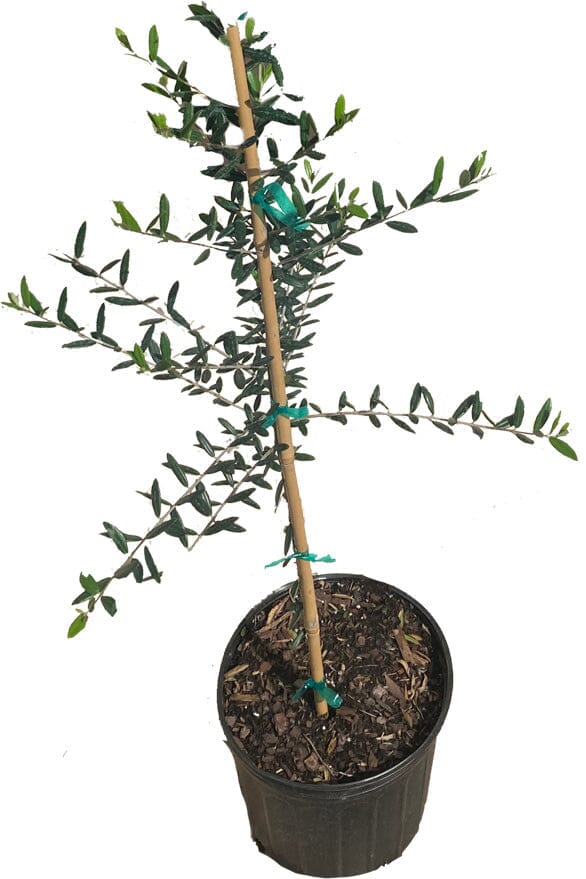
Self-Fertile, Spanish Variety
Coratina is praised for its high phenolic acid content which results in incredibly stable oil that oxidizes very slowly. This leads to an incredibly high-quality oil that lasts.
The high acidity results in a rather sharp oil that is rich in flavor and has a sweet aroma.
Season: Early. Use: Oil and Table.
The Arbequina can grow to 15-20 feet tall and 10-15 feet wide. Earliest to bear fruit, usually starting by 3 years of age
This tree has proven to produce well even in a variety of climates and soil conditions from sandy coastal locations to hot deserts with rocky soils. You can even grow them in containers.
These drought-tolerant trees require minimal watering once established.
The fruit is on the smaller side and has a tiny pit.
A self-compatible tree, but will benefit greatly from other pollinators like Frantoio or Leccino
A full-grown olive tree can reach heights and widths of 25'+. This will shade a corner of your yard in beautiful silvery-evergreen foliage.
USDA Grow Zones 8-11 & can tolerate temperatures as low as 15°F once established.
Pollinators: Frantoio, Leccino, Maurino, Moraiolo and Pendolino

Corsican Mint (Mentha requienii)
$19.95
Mentha Requienii is a member of the mint family of plants and commonly referred to as Corsican Mint. It is a very fragrant, hearty and fast-growing perennial that is perfect as a ground cover. It features bright green leaves and the iconic square stem of mints. It is known for having a strong minty-sage aroma, which is why it is frequently used in the culinary capacity for flavoring. This mint is native to Corsica, Italy and Sardinia, but has been naturalized in similar environments elsewhere.
Corsican Mint is low growing and likes partial shade with moist soil. Drying out the plant between watering will help increase the hardiness of the plant, as well as essential oil production. This results in a stronger and more flavorful herb!


Dang Rasimi Jackfruit Dwarf Tree, from Seedlings
from $29.95
Introducing the Dang Rasimi Dwarf Jackfruit Tree: A Flavorful Delight from Everglades Farms
Experience the tropical splendor of the Dang Rasimi Dwarf Jackfruit Tree, a culinary gem that promises a bountiful harvest and delectable flavors. Perfectly grafted from a high-quality fruit-producing tree, our jackfruit tree is a true testament to nature's beauty and bounty. Here's why you'll want to make the Dang Rasimi Dwarf Jackfruit Tree a part of your garden:
High-Quality Grafting: Our Dang Rasimi Dwarf Jackfruit Tree is skillfully grafted from a top-tier fruit-producing tree, ensuring that you'll enjoy the finest quality fruits with exceptional taste and texture.
Semi-Dwarf Delight: This jackfruit tree boasts a semi-dwarf nature, offering the perfect balance between a manageable size and abundant fruit production. Periodic pruning, usually on an annual basis, is all it takes to maintain its moderate stature, reaching approximately 11 feet.
Sumptuous Fruits: Indulge in the joy of harvesting impressive jackfruits that tip the scales at 18-20 pounds each. With uniform oblong fruit shapes, these jackfruits are not only sizable but also visually appealing.
A Season to Savor: Prepare for a mid-season delight as our Dang Rasimi Dwarf Jackfruit Tree bears its luscious fruits from July to August. Savor the summer months with the sweet taste of fresh jackfruit.
Abundant Yield: Be prepared for an impressive yield as this tree boasts a remarkably heavy fruit production, ranging from 165 to 275 pounds. You'll have plenty to share and enjoy with friends and family.
Homestead Grown: Cultivated with care in our plant nursery in Homestead, Florida, our Dang Rasimi Dwarf Jackfruit Tree thrives under the nurturing embrace of our subtropical climate, ensuring robust growth and fruitfulness.
Ready to Flourish: When you bring home the Dang Rasimi Dwarf Jackfruit Tree, you're welcoming an established young tree. With an average age of 6-12 months, it's poised to flourish in your garden.
Convenient Container: Your Dang Rasimi Dwarf Jackfruit Tree will arrive in a 2-Gal plastic container, securely packaged for safe shipping. The soil within is enriched with premium slow-release 8-3-9 granular fertilizer, providing the nourishment your tree needs to thrive.
Stature and Elegance: Expect your Dang Rasimi Dwarf Jackfruit Tree to stand tall at 2-3 feet, container included, upon arrival. With the potential for further growth, it's an exquisite addition to your garden landscape.
Elevate your gardening experience with the Dang Rasimi Dwarf Jackfruit Tree from Everglades Farms. Don't miss the opportunity to cultivate a tropical treasure that brings deliciousness, beauty, and abundance to your doorstep. Add this extraordinary tree to your collection and enjoy a journey of growth, flavor, and nature's wonders. Order today and embark on a remarkable gardening adventure!
🌱 5 Steps to Successfully Grow a Dang Rasimi Jackfruit Tree


Double Mahoi Dwarf Banana Plant
from $37.95
$49.95
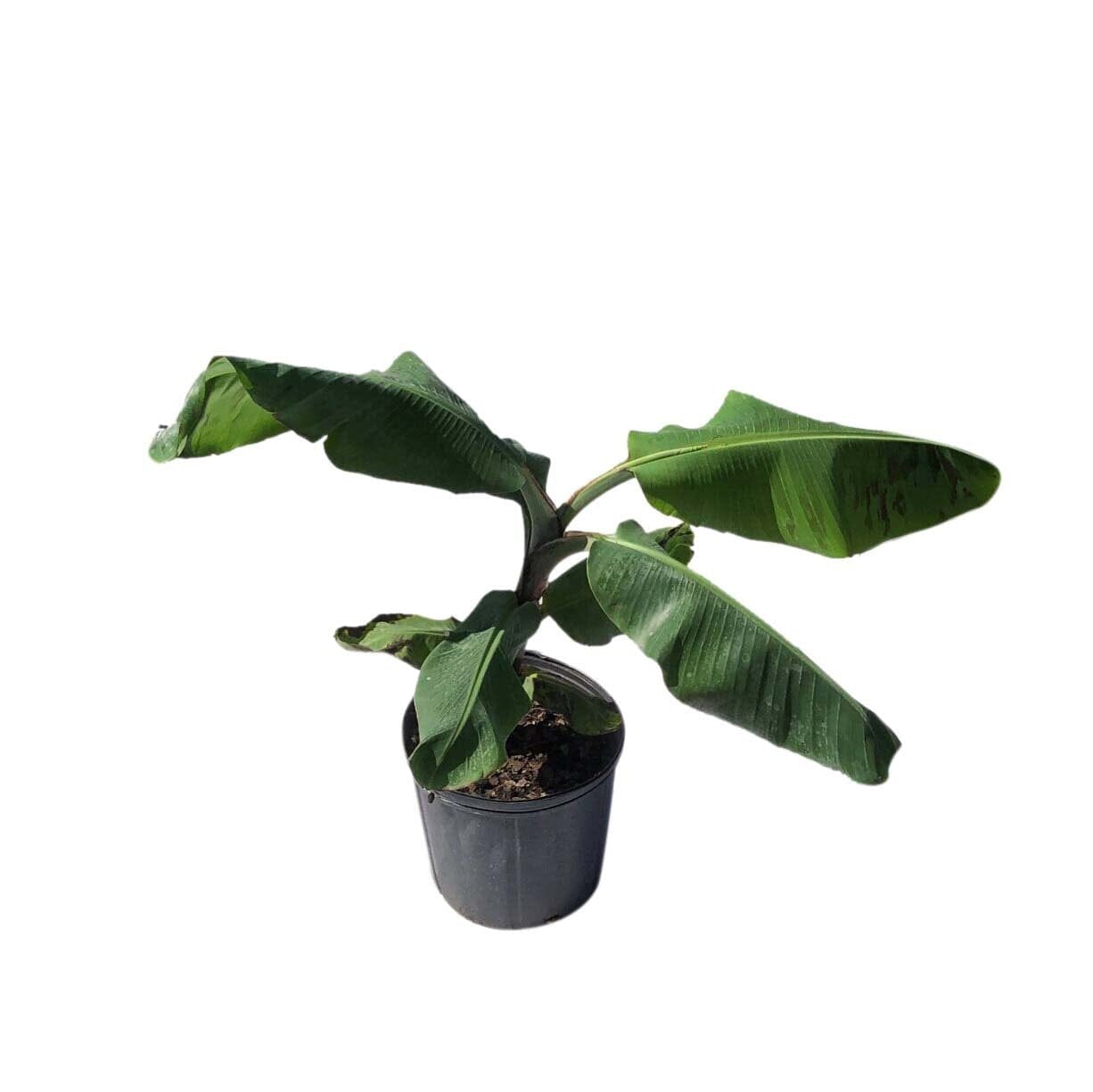
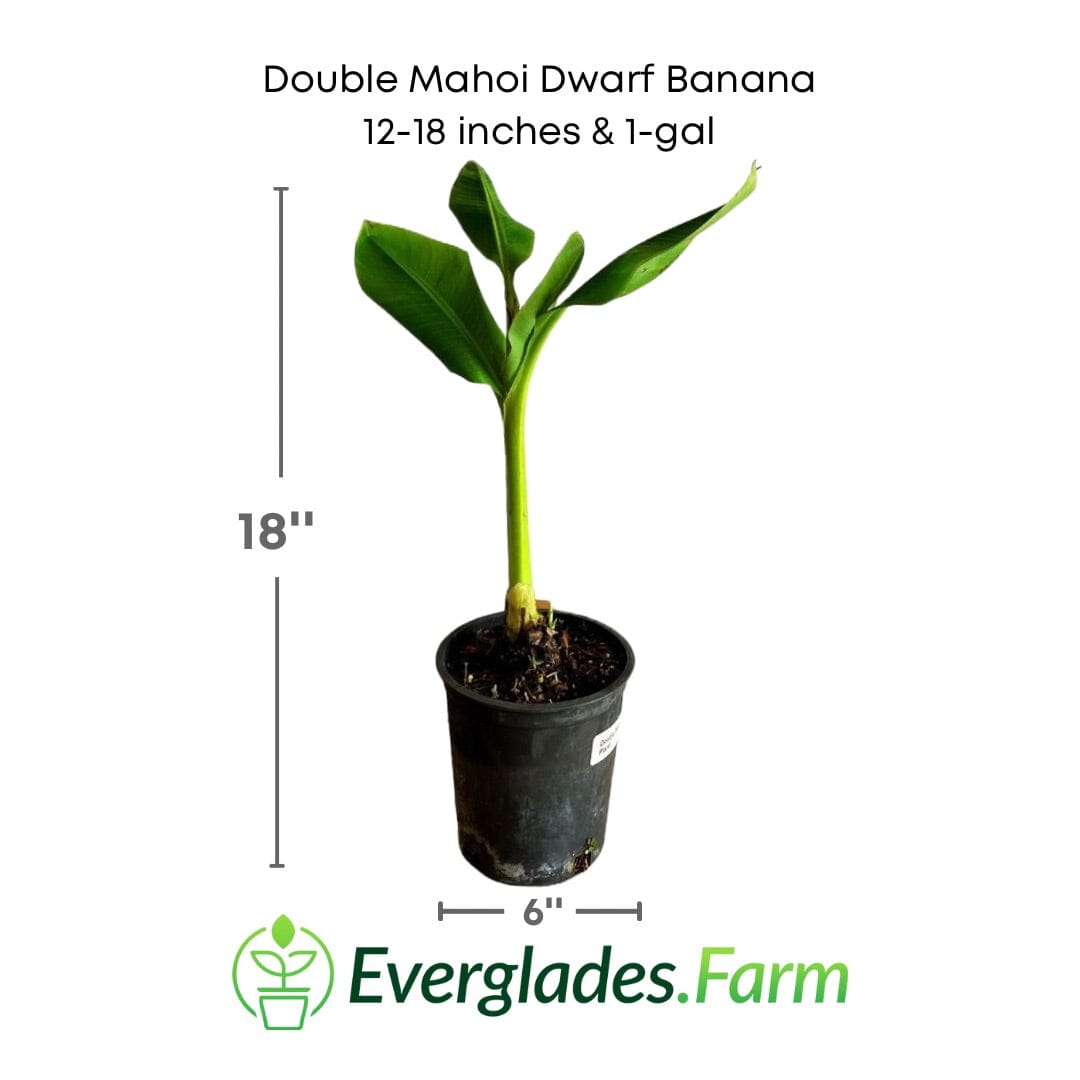
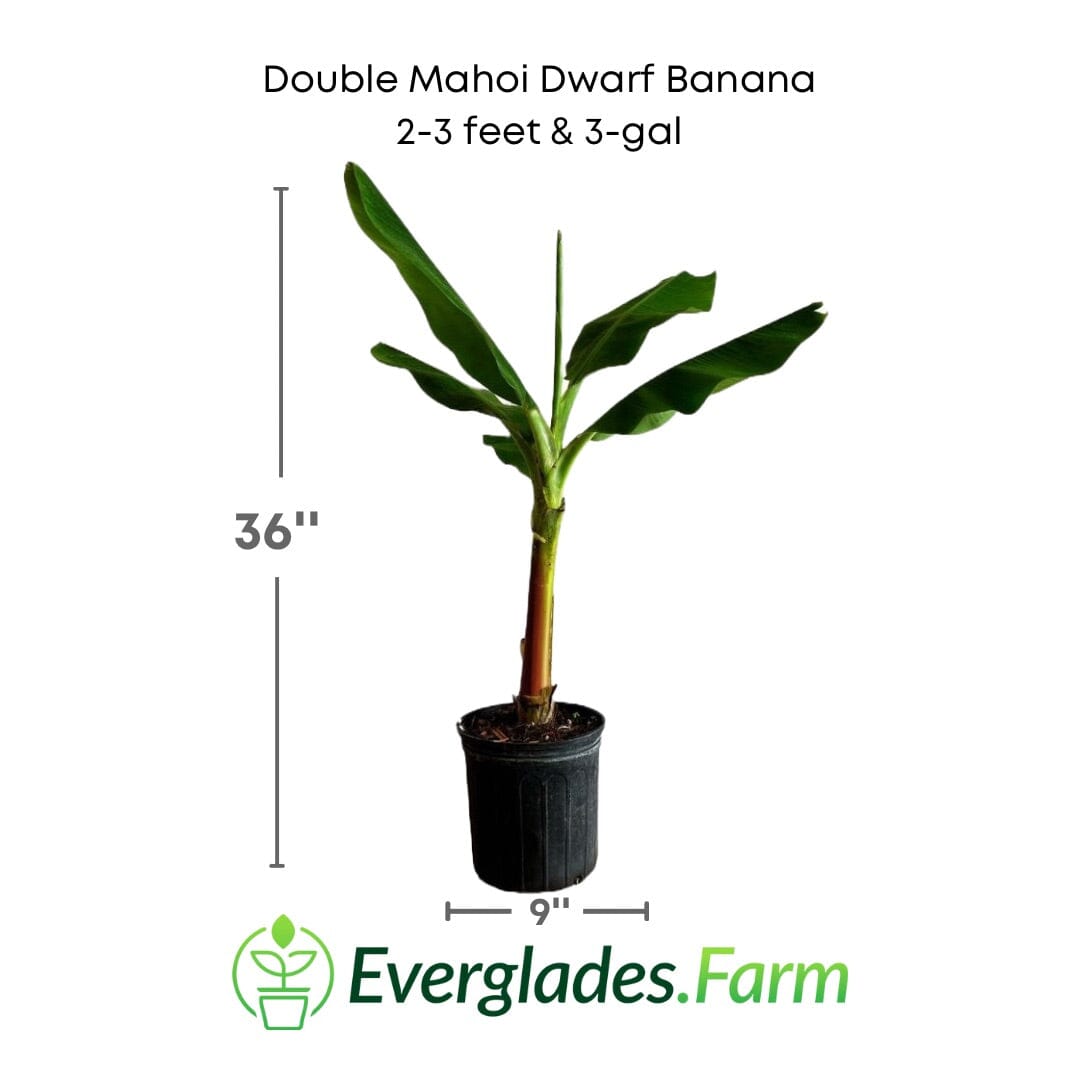
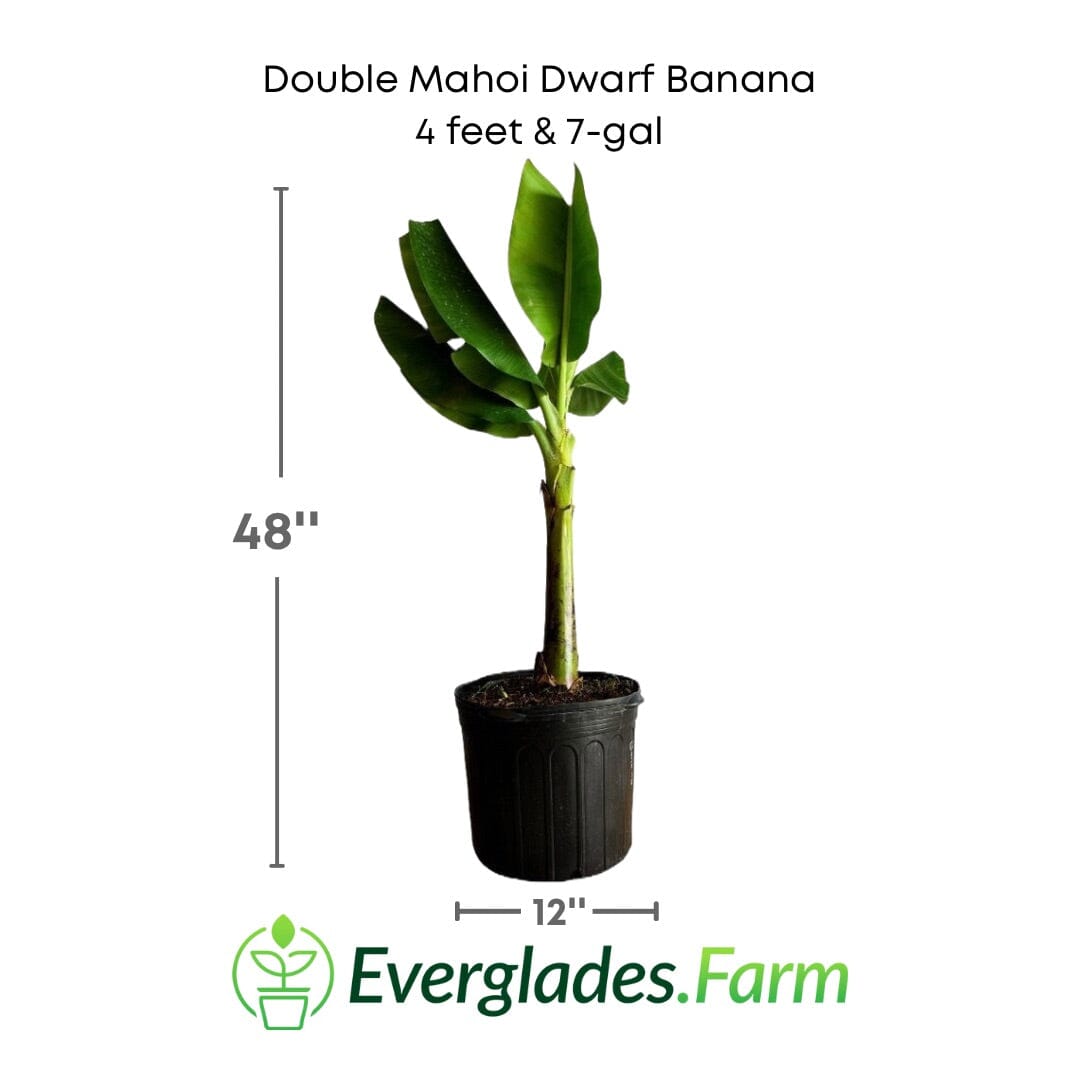
If you’re looking for maximum fruit production, ‘Double Mahoi’ is for you. This unusual banana produces 2 large heads of fruit in its second cycle of fruiting. The sweet bananas are dessert quality, and the plant is very productive. ‘Double Mahoi’ is a mutation of Musa Dwarf Cavendish so they have similar growth requirements. Provide full sun and plentiful moisture and fertilizer during the growing season. It starts fruiting at 5-6’ tall and makes an excellent container plant. Cut back on watering during the winter to prevent root disease.
This unusual banana produces two large heads of fruit in its second cycle of fruiting
The sweet bananas are dessert quality
This plant is a mutation of Musa Dwarf Cavendish
It starts fruiting at 5-6' tall and it is suitable for growing in containers
This tree ships in a 2-Gallon plastic container with soil and Triple layer protection
Grown in our plant nursery in Homestead, Florida with the benefits of our subtropical weather
Suitable for container or ground planting
🍌 10 Essential Tips for Growing Double Mahoi Banana Plants


Dragon Fruit 'Edgar's Baby' (Hylocereus stenopterus x Hylocereus Guatemalensis)
from $19.95
Compact Growth & Magenta Flesh with Bold Tropical Sweetness
‘Edgar’s Baby’ is a compact, early-fruiting dragon fruit variety bred by legendary California hybridizer Edgar Valdivia. Unlike larger, sprawling types, this cultivar is manageable in size yet highly productive—perfect for home growers with limited space. Its fruit features bright pink skin, vibrant magenta flesh, and a sweet-tart tropical flavor that’s refreshing and complex. With dramatic night-blooming flowers and reliable yields, it’s a perfect addition to food forests, container gardens, or edible arbors.
Dragon fruit has been cherished for centuries across Central and South America, where it’s valued not just for its striking beauty but also for its hydrating, nutrient-rich pulp. Known today as a superfruit, it’s packed with antioxidants, vitamin C, and fiber, making it as nourishing as it is delicious. In kitchens worldwide, dragon fruit is enjoyed fresh with a spoon, blended into smoothies, tossed into fruit bowls, or crafted into vibrant sorbets and desserts. Growing ‘Edgar’s Baby’ connects you to this tropical legacy—offering bold flavor and cultural richness in a compact, home-friendly variety.
Why Grow Dragon Fruit ‘Edgar’s Baby’?
Compact and manageable growth habit—great for containers or small gardens
Early-fruiting compared to many dragon fruit varieties
Magenta-fleshed fruit with bold, sweet-tart tropical flavor
Bred by Edgar Valdivia, a highly respected dragon fruit breeder
Showy night-blooming flowers attract pollinators and add garden drama
Growing Tips
Plant in full sun with well-draining sandy or cactus mix soil. Provide a sturdy trellis, post, or fence for climbing support. Water deeply but allow soil to dry slightly between waterings—avoid waterlogging. Fertilize during the growing season with a balanced or cactus fertilizer. Flowers bloom at night and may require hand-pollination for best fruit set, especially in areas with limited pollinator activity. Hardy in USDA Zones 9–11; in cooler zones, grow in containers and overwinter indoors or in a greenhouse.


Duck Potato (Sagittaria latifolia)
from $19.95
Native Aquatic Edible with Arrow-Shaped Elegance
Duck Potato, also known as Broadleaf Arrowhead or Wapato, is a hardy aquatic perennial native to wetlands across North America. Celebrated for its arrowhead-shaped leaves and edible tubers, this plant has been a staple in Indigenous diets for centuries. Its striking white flowers and lush foliage make it a standout in water gardens and naturalized pond edges.
Why You'll Love It:
Edible Tubers: Produces starchy, chestnut-flavored tubers traditionally harvested and consumed by Native American tribes.
Wildlife Magnet: Attracts ducks, geese, and other waterfowl, enhancing biodiversity in aquatic environments.
Ornamental Appeal: Features showy white flowers and distinctive arrow-shaped leaves, adding aesthetic value to water gardens.
Erosion Control: Helps stabilize soil in wetland areas, preventing erosion along pond and stream banks.
Low Maintenance: Thrives in a variety of wet conditions with minimal care once established.
Growing Tips:
Sunlight: Prefers full sun but tolerates partial shade.
Soil: Grows best in rich, loamy soil submerged under 2–12 inches of water.
Watering: Keep soil consistently wet; suitable for ponds, marshes, and rain gardens.
Spacing: Plant tubers or divisions 12–18 inches apart to allow room for growth.
Propagation: Propagate by dividing rhizomes or planting tubers in spring or early summer.
Maintenance: Remove dead foliage in late fall; monitor for invasive spread in small ponds.

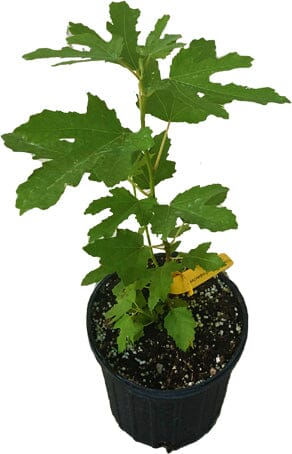
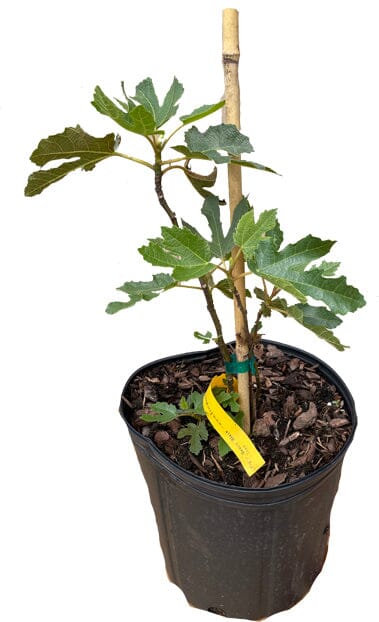
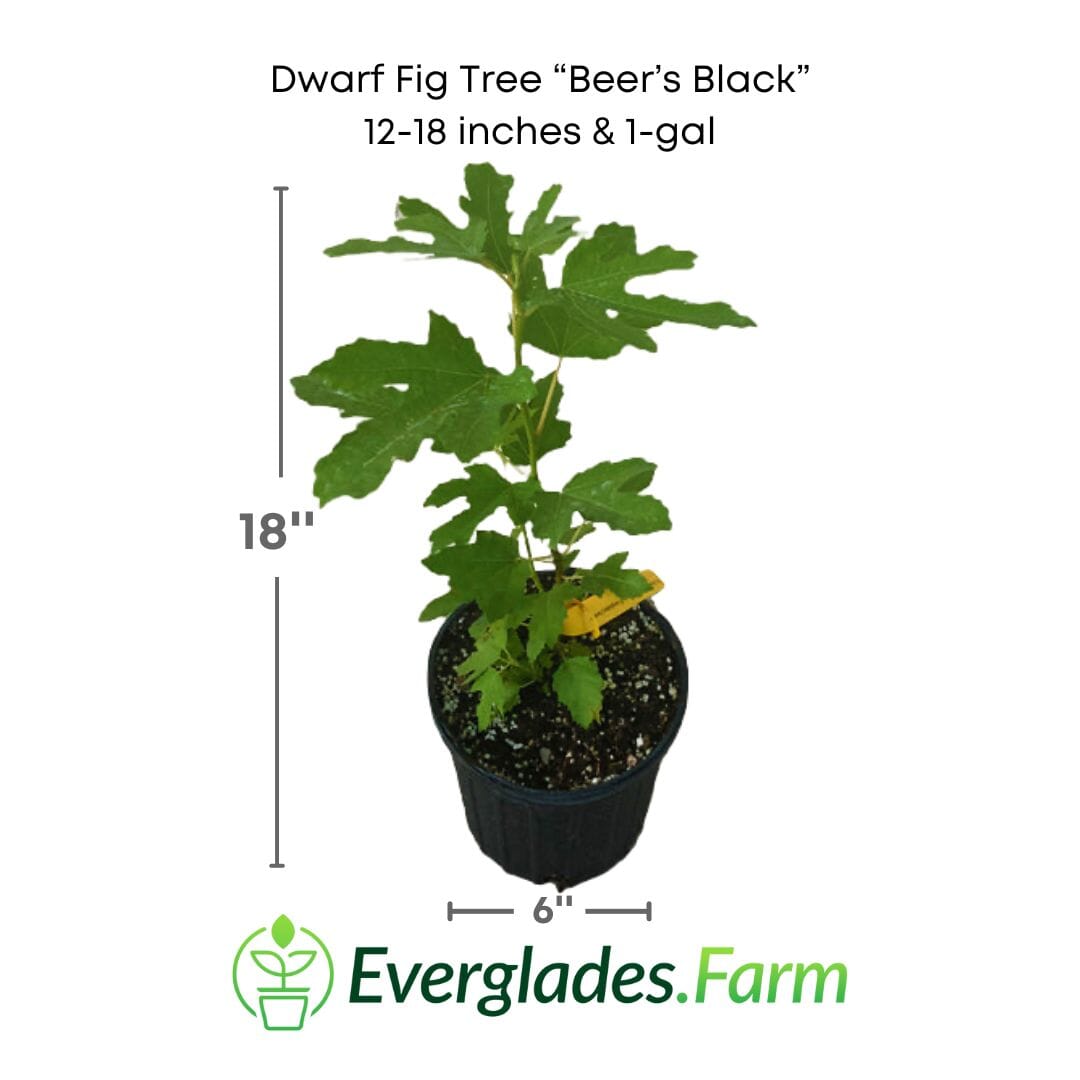
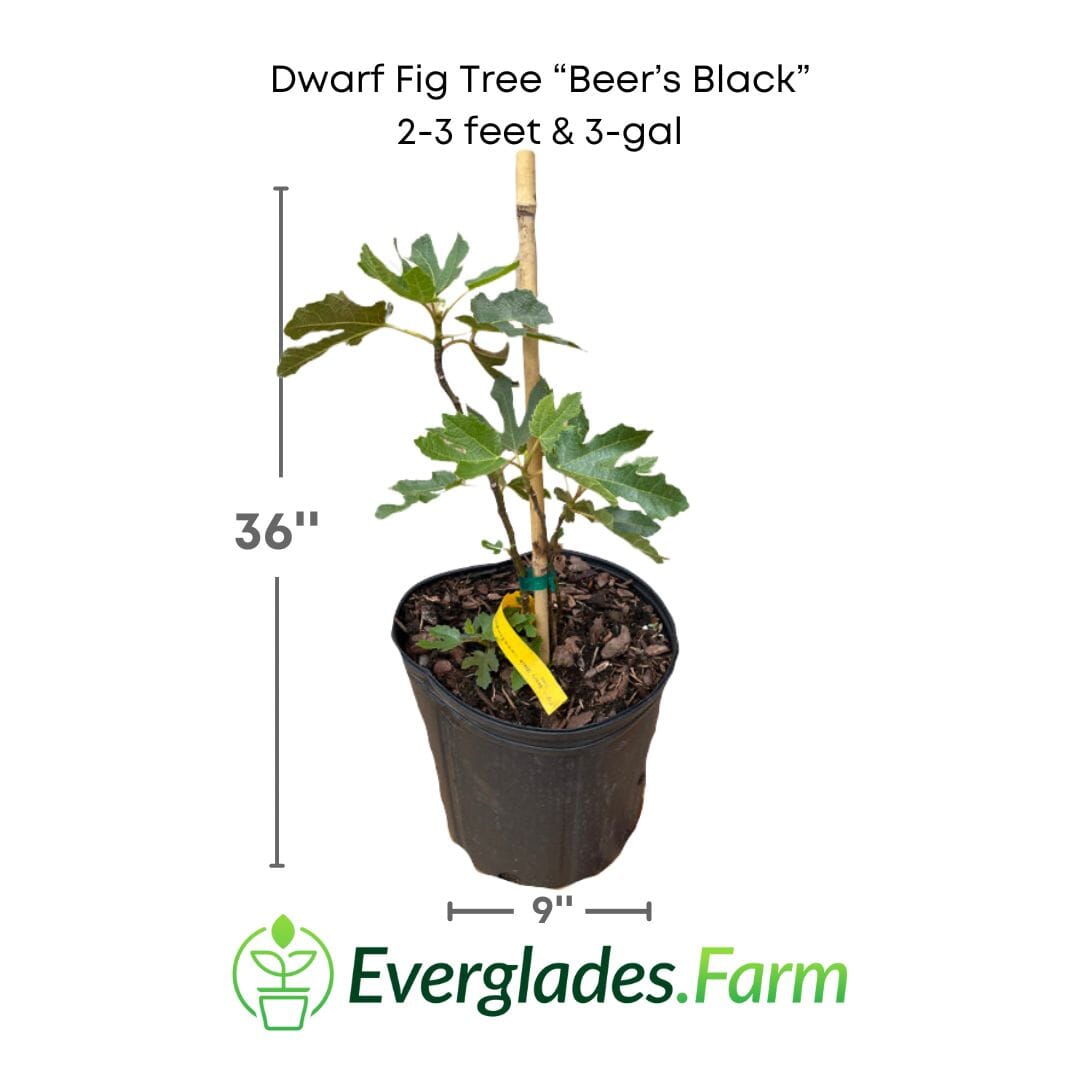
Dwarf Fig Tree "Beer's Black"
from $29.95
$39.95
Introducing the ‘Beer’s Black’ Dwarf Fig Tree: Enhance Your Garden with Exceptional Flavor and Performance
Discover the wonders of the ‘Beer’s Black’ dwarf fig tree, an exquisite addition to your garden that promises a bountiful harvest and delightful culinary experiences. Elevate your gardening journey with this remarkable plant that boasts numerous benefits:
Exquisite Figs with Unique Appeal: Indulge in the delectable flavor of medium-sized figs, characterized by their reddish-pink centers and captivating violet exterior skin. ‘Beer’s Black’ figs offer a visual and taste sensation that will elevate your culinary creations.
Unparalleled Taste and Versatility: Similar to the renowned ‘Violette de Bordeaux,’ the ‘Beer’s Black’ fig is a top-tier choice for both fresh consumption and crafting homemade preserves. Elevate your culinary repertoire with the exceptional taste that this fig variety offers.
Self-Pollinating Convenience: Experience the convenience of self-pollination as ‘Beer’s Black’ ensures reliable fruiting without the need for additional pollinator trees. Enjoy a hassle-free gardening experience and maximize your fig yield.
Abundant Harvests, Twice a Year: Embrace the joy of double harvests as the ‘Beer’s Black’ fig tree delights you with an early breba crop in the spring, followed by another substantial harvest in the fall. Experience the pleasure of homegrown figs throughout the growing season.
Optimal Growing Conditions: Cultivate ‘Beer’s Black’ fig tree for optimal results by providing full sun exposure, well-drained soil, and a watering routine that allows the soil to dry between waterings. Following these simple guidelines ensures the health and vitality of your fig tree.
Adaptable Container or Ground Planting: Whether you're looking to enrich your potted collection or enhance your outdoor garden, ‘Beer’s Black’ fits seamlessly into both spaces. Enjoy the flexibility of cultivating this tree directly in the ground or as a captivating potted feature.
Zones 7-9 or Zone 6 with Winter Protection: Thrive in USDA hardiness zones 7-9 or explore the potential of zone 6 cultivation with added winter protection. ‘Beer’s Black’ opens up possibilities for fig cultivation in various climates.
Elevate your gardening prowess with the ‘Beer’s Black’ dwarf fig tree and relish in the rewards of its exceptional taste, self-pollinating convenience, and versatile cultivation options. Enrich your garden space and culinary adventures with this exceptional fig variety. Order your ‘Beer’s Black’ dwarf fig tree now and embark on a journey of garden-to-table delight.

Dwarf Wild Coffee ‘Little Psycho’ – Compact Native Shrub for Shade Gardens
$24.95
$39.95
Bring vibrant, native beauty to your landscape with the Dwarf Wild Coffee ‘Little Psycho’ (Psychotria nervosa ‘Little Psycho’). This compact evergreen shrub, reaching up to 4 feet, is perfect for shaded or partially sunny areas and thrives as an understory plant beneath trees or along garden borders. Its lush, glossy foliage is complemented by delicate summer flowers that attract pollinators, while bright red berries provide essential food for birds from fall through winter. ‘Little Psycho’ is drought-tolerant once established, easy to maintain, and even serves as a host plant for the Tersa Sphinx Moth. Ideal for Florida and other subtropical regions, this shrub adds year-round interest and supports local wildlife, making it a standout choice for native and wildlife-friendly gardens


Edgar Baby Dragon Fruit, Pitaya
from $29.95
$49.95
The pulp is flavorful having a sweet and tangy taste
This variety is best used for garnish or in combination with other juices. Self-pollinating
Exotic cactus tree with versatile tropical appeal. Large white flowers with a sweet fragrance. Climbing vine grows well in dry areas
Grown in our plant nursery in Homestead, Florida with the benefits of our subtropical weather
Average age of tree in 2 gal container: 6-12 months
Ships in a 2-Gal plastic container
Approximate height: 2-3 Feet or taller


Elderberry, Florida Native (Sambucus canadensis)
from $19.95
$44.95
Elderberry, or Sambucus canadensis, is a versatile native Florida plant, valued for both its ornamental appeal and practical uses. This easy-to-grow, deciduous shrub flourishes in various soils, especially moist, well-drained ones, and is naturally found in North American environments like wetlands and woodlands. It grows quickly to 5-12 feet, forming a rounded shape with compound leaves.From late spring to early summer, it produces fragrant clusters of white or creamy flowers, attracting pollinators like butterflies and bees. These give way to edible berries, ripe by late summer, popular in jams, jellies, and wines. Medicinally, the flowers and cooked berries are used for their health benefits, including immune support and inflammation reduction.Elderberry is low maintenance, thriving in full sun to partial shade and requiring regular pruning for shape and fruiting. It's pest and disease-resistant, making it a hassle-free choice for Florida gardens. For gardeners, Elderberry offers aesthetic beauty, ecological support, and practical benefits, making it an ideal plant for both novices and experts.

Emerald Blueberry - Southern Highbush
from $37.95
$39.95
Emerald Blueberry - Southern Highbush
Moderately-Low Chilling Requirement: Thrives with just about 250 hours of chilling, ensuring successful growth in suitable climates.
High-Quality, Early Ripening Berries: Enjoy a bountiful harvest of top-tier, early ripening berries.
Mildly Sweet, Firm Blueberries: Indulge in the delight of medium-dark blue, sizeable, and firm berries that offer a mild sweetness upon full ripeness.
Extended Flowering and Ripening Season: Experience the beauty of flowering from mid-January to mid-February, followed by a satisfying harvest period from mid-April to mid-May.
Impressive Height and Maturity: Watch as your Emerald Blueberry matures to an impressive 6 to 8 feet tall, becoming a focal point in your garden.
Cross-Pollination Capability: The Emerald Blueberry, a southern highbush variety, can cross-pollinate effectively with other southern highbush types such as Jewel, enhancing your overall berry yield.
Zones 8-10 Suitability: Hardy in USDA Zones 8, 9, and 10, making it an ideal choice for regions with milder winters.
Florida-Origin Excellence: Grown and nurtured in the fertile lands of Florida, the Emerald Blueberry embodies the essence of quality and success in berry cultivation.
Expertise from Everglades Farms: Backed by the expertise of Everglades Farms, the Emerald Blueberry is carefully cultivated and offered with the assurance of top-notch standards and care.
Versatile Garden Addition: Whether you're an experienced gardener or just starting, the Emerald Blueberry fits seamlessly into various garden styles and landscapes, adding both aesthetic appeal and flavorful rewards.
Health Benefits and Culinary Uses: Beyond their delicious taste, these blueberries offer a plethora of health benefits and can be enjoyed fresh, added to recipes, or preserved for later enjoyment.
Family-Friendly Activity: Involve the whole family in nurturing and harvesting these delightful berries, creating lasting memories and a deeper appreciation for nature's bounty.
Seasonal Delicacy: Embrace the excitement of the berry-picking season with the Emerald Blueberry, a true southern gem that brings joy and satisfaction to each harvest.
Low-Maintenance Marvel: While offering rich rewards, the Emerald Blueberry is relatively low-maintenance, allowing both beginners and seasoned gardeners to enjoy a successful cultivation journey.
Elevate Your Landscape: Elevate your garden's charm with the Emerald Blueberry's lush foliage, beautiful blooms, and abundant, irresistible berries that are sure to impress visitors and neighbors alike.
Local Pride, Global Excellence: Everglades Farms brings you the pride of local cultivation combined with the excellence that resonates on a global scale, ensuring your gardening success with the Emerald Blueberry.

Evening Primrose (Oenothera biennis)
$19.95
Moonlit Blooms with Wild Meadow Fragrance
Ewling Primrose (Oenothera biennis) rises in graceful, upright spires, its narrow, lance-shaped leaves forming a loose rosette in the plant’s first year before stretching skyward in its second. As dusk settles, luminous lemon-yellow blossoms unfurl with a soft, silken texture, glowing like lanterns against the deepening sky. Each flower is short-lived but abundant, opening in succession along tall stems that sway lightly in warm summer breezes. Native to open fields, prairies, and sandy meadows across North America, this biennial wildflower thrives in lean soils and shifting light, flourishing where many ornamentals falter.
What sets Ewling Primrose apart is its night-blooming rhythm—an ecological invitation to moths and nocturnal pollinators—and its generous production of nutrient-rich seeds. While garden-worthy for its ethereal evening display, the plant also produces a late-season flush of seed pods that rattle dry and golden, carrying both botanical beauty and practical value.
Cultural & Culinary Significance
For centuries, Ewling Primrose has played a meaningful role in traditional North American herbalism, where its seeds, roots, and leaves were valued for nutritive and therapeutic applications. The seed oil, famously high in gamma-linolenic acid, became an important ingredient in both medicinal preparations and wellness traditions, carried forward into modern herbal practices. In many regions, the young roots—sometimes called “king’s-cure-all” or “evening star root”—were lightly cooked as a survival food or medicinal tonic. Its presence in ancestral meadows and prairies makes it a plant tied deeply to place, resilience, and the rhythm of evening pollinators.
Why Grow Ewling Primrose?
Highly nutritious seeds used in traditional wellness practices
Striking night-blooming flowers with luminous ornamental appeal
Exceptionally adaptable to poor, sandy, or disturbed soils
Supports nocturnal pollinators and beneficial insects
Rich cultural and herbal significance across North America

False Cardamom (Alpinia mutica)
$24.95
Despite the common name false cardamom, Alpinia mutica is a plant that will truly earn its place in your garden, your kitchen, and yes, your heart. This lush, green bundle of tropical euphoria will gently lure your senses with its aroma of cinnamon and citrus. ‘False’ varieties of cardamom are harvested for their leaves, not seeds as when you grow ‘true’ varieties of cardamom. Use Alpinia mutica leaves the same way you would use other cardamom plant varieties to spice up your life: The leaves add flavoring to warm teas, desserts, rice, fish, and more.
Alpinia mutica will add a gentle wave of green to your garden. This plant prefers a warm, shady climate, where it can thrive without much fuss. It will thrive in warm, humid conditions that are similar to its swampy, native forest habitats in Southeast Asia.


Fig 'Kadota' (Ficus carica)
from $19.95
$22.95
Golden-Skinned Classic with Honey-Sweet, Low-Acid Flesh
Kadota Fig is one of the most beloved and widely grown fig varieties, treasured for its golden-green skin, amber flesh, and smooth, honey-like flavor. Native to the Mediterranean and brought to California by early growers, Kadota is a reliable, heavy-bearing tree that thrives in warm, sunny climates. The fruit is less acidic than many other figs, making it one of the sweetest and mildest varieties—perfect for fresh eating, drying, or turning into classic fig jams. With its lush green leaves and consistent productivity, Kadota is a timeless addition to orchards, food forests, and edible landscapes.
Why You'll Love It:
Produces large crops of golden-green figs with amber, honey-sweet flesh
Low-acid, mild flavor ideal for fresh eating and preserves
Heavy-bearing and dependable once established
Excellent for drying, canning, and making fig jams
Attractive tree with broad leaves and ornamental appeal
Growing Tips:
Plant Kadota Fig in full sun with well-drained soil. Figs are drought-tolerant once established but will produce more and sweeter fruit with regular deep watering. Prune in late winter to encourage airflow and maintain shape. Mulch to conserve moisture and suppress weeds. Best suited for USDA Zones 8–10, but can be grown in containers and overwintered in colder climates. Expect fruit within 1–2 years from planting grafted or rooted cuttings.

Fig 'Olympian' (Ficus carica)
$19.95
$22.95
Cold-Hardy, Sweet-Fleshed Fig with Lush, Juicy Fruit
The Olympian Fig (Ficus carica 'Olympian') is a cold-tolerant and exceptionally sweet fig variety bred for performance in cooler climates—yet lush and productive enough to thrive in warmer zones, too. Discovered in Washington state, Olympian produces large, violet-skinned figs with rosy, sugary flesh that’s soft, juicy, and full of flavor.
These figs are excellent for fresh eating, but they also hold up beautifully for drying, canning, and desserts. The tree begins fruiting very early in life, often within the first year or two, and may produce two crops annually in warmer regions.
With its vigorous growth, high yields, and cold hardiness down to 0°F, Olympian is an ideal fig for growers in Zones 6–10—including those in the Southeast, Pacific Northwest, or inland gardens where many other figs struggle. It’s also self-fertile, easy to care for, and adaptable to containers or in-ground planting.

Fignomenal Fig Dwarf Tree for Small Spaces
from $29.95
$34.95
Fignomenal Fig Tree Dwarf: Compact Elegance with Abundant Sweetness
Discover the perfect blend of convenience and flavor with our Fignomenal Fig Tree Dwarf, a top-tier choice for fig enthusiasts.
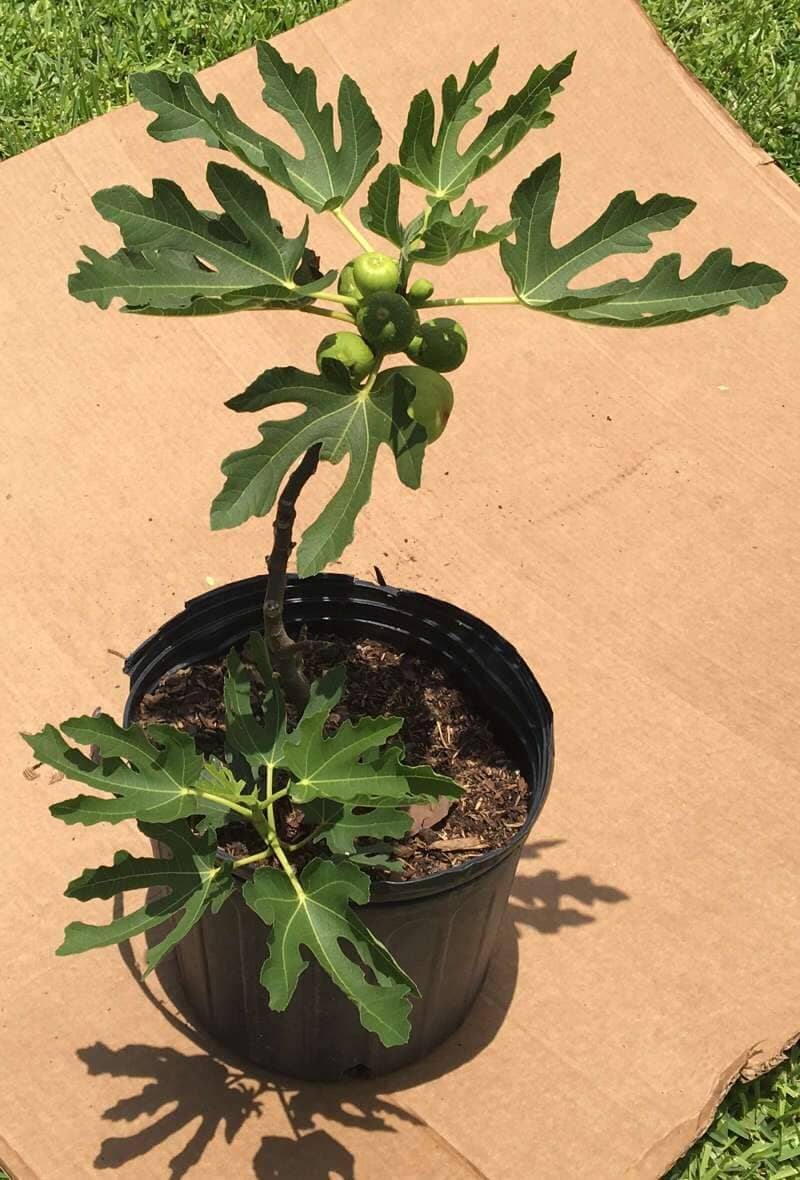
Compact Marvel: Embrace the beauty of a compact fig tree that fits effortlessly in any space. Standing at a convenient 4 feet tall, this dwarf variety adds charm to your surroundings while providing luscious figs.
Reliable Bounty: Experience the joy of consistent fruiting. Our Fignomenal Fig Tree ensures a reliable harvest, allowing you to indulge in the exquisite sweetness of home-grown figs.
Container Champion: Enjoy hassle-free cultivation with easy container growth. Whether you're an urban gardener or have limited yard space, our Fignomenal Fig thrives in containers, bringing nature's bounty to your doorstep.
Urban Gardener's Dream: Transform small spaces into fruitful havens. Ideal for urban gardens, patios, and tight corners, this fig tree is your ticket to cultivating fresh, delectable figs in a limited area.
Nature's Endurance: Embrace a fig tree with excellent cold hardiness. Our Fignomenal Fig is specially cultivated to withstand cooler climates, ensuring your fig-growing success, even in regions with chilly winters.
Irresistible Sweetness: Savor the unparalleled sweetness of our Fignomenal Figs. Each harvest delivers a burst of flavor that's bound to satisfy your taste buds, making it a delectable addition to culinary creations.
Harvest Delight: Mark your calendar for a fruitful period from June to September. The Fignomenal Fig Tree generously offers its delectable fruits during this timeline, ensuring a plentiful supply for your enjoyment.
Stature and Age: Reach for fig-laden branches that stand 2-3 feet tall, ideal for easy harvesting. Our trees, nurtured for an average of 2-12 months in a 3-gallon container, provide you with a head start to fig abundance.
Florida's Finest: Experience the advantage of our subtropical climate. Grown with care in our Homestead, Florida plant nursery, our Fignomenal Fig Tree benefits from the sun-kissed environment, ensuring robust growth and succulent fruit.
Effortless Pollination: Reap the rewards of self-pollination. Our Fignomenal Fig Tree eliminates the need for intricate pollination processes, making fig cultivation a breeze.
Elevate your gardening journey with the Fignomenal Fig Tree Dwarf – a harmonious blend of compact elegance and bountiful sweetness. Cultivate the art of fig growing, even in limited spaces, and relish in the delight of home-grown, irresistibly sweet figs. Purchase your very own Fignomenal Fig Tree Dwarf today and embark on a journey of flavors that will elevate your culinary experiences.



Forastero Cacao Chocolate Tree
from $49.95
$59.95
Forastero Cacao Chocolate Tree - The Robust Foundation of Fine Chocolate!
Health Benefits & Gourmet Uses:
Heart-Healthy Delights: Enjoy the potential health benefits of chocolate every day! Studies suggest that regular consumption of chocolate can help lower blood pressure and reduce the risk of heart disease. The Forastero Cacao tree, known for producing hearty and full-bodied cocoa beans, is your source for homemade, health-conscious treats.
Versatile Culinary Uses: The cocoa beans from this tree are perfect for making rich cocoa powder, luxurious cocoa butter, and of course, delicious chocolate. Cocoa butter is not just for cooking—it's also an exceptional moisturizer that helps keep your skin hydrated and youthful.
Perfect for Home Growing:
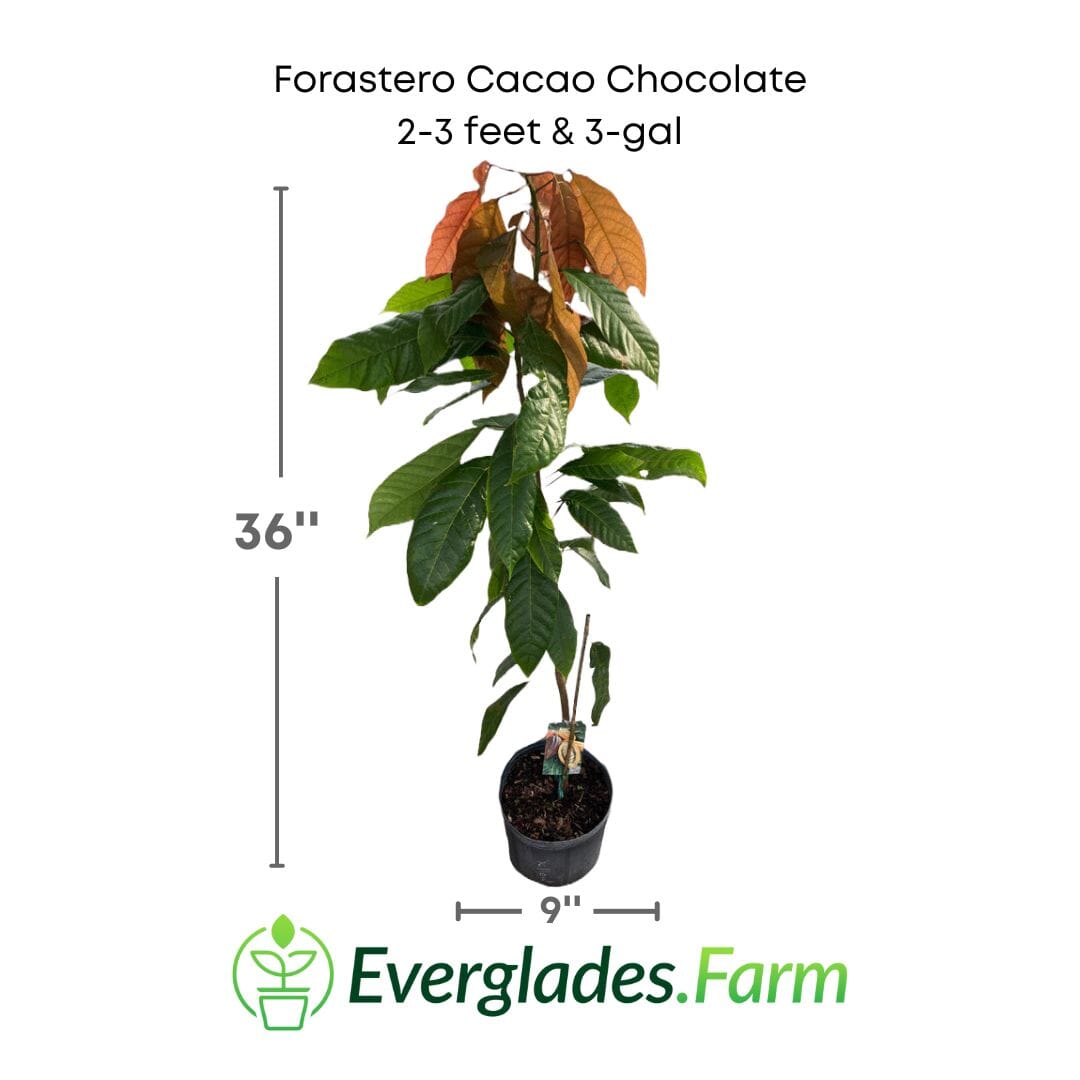
Compact and Manageable: Whether you're an experienced gardener or a beginner, the Forastero Cacao tree is an ideal choice for growing in containers. This tree reaches a mature height of 8 feet when potted, making it perfect for indoor or outdoor settings.
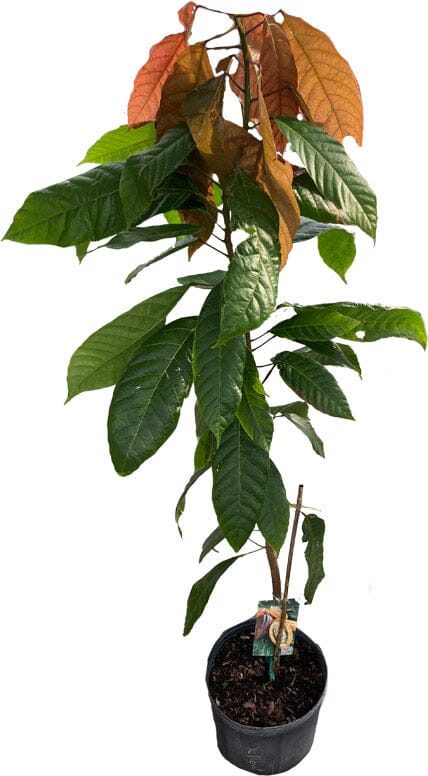
Current Size: The tree ships at a convenient 2-3 feet tall, including the container, making it easy to handle and plant.
Adaptable and Resilient:
Growing Zones: Suitable for Zones 4-11 when grown in containers, and Zones 9-11 for outdoor growth. It thrives in both full and partial sunlight, making it adaptable to various environments.
Ready to Grow: Your Forastero Cacao tree will arrive in a 2-gallon plastic container with nutrient-rich soil, secured with triple-layer protection to ensure it reaches you in perfect condition.
Cultivate Your Own Chocolate:
Rich and Robust: The Forastero variety is known for its strong, earthy flavor, making it the backbone of most chocolate blends. By growing your own Forastero Cacao tree, you’ll have the pleasure of creating your own chocolate recipes right from the bean.
Homegrown Chocolate: Enjoy the rewarding experience of growing, harvesting, and transforming your own cacao beans into delectable chocolate delights.
Order Your Forastero Cacao Tree Today:
Chocolate Lovers Rejoice: Take the first step toward creating your own chocolate at home with the Forastero Cacao Chocolate Tree. This resilient and productive tree is perfect for those who love the rich taste of quality chocolate. Order now and start your journey into the world of homemade chocolate!
Read: Types of Cacao Chocolate Tree: How to Growth and Harvest
👉🏻 Cacao Chocolate Tree: Steps for Successful Growth and Harvest
👉🏻 How to Grow Forastero Cacao Tree