


Frost Proof Gardenia (Jasminoides)
$14.95
$49.95
Fill your garden with the timeless elegance and fragrance of the Frost Proof Gardenia. Known for its creamy white, double-petaled blooms and glossy evergreen leaves, this gardenia variety is specially bred to withstand cooler temperatures better than traditional gardenias.
Perfect for hedges, borders, containers, or foundation plantings, the Frost Proof Gardenia thrives in full sun to partial shade and produces a heavy flush of blooms in late spring, with scattered flowers through summer. Its compact growth habit makes it easy to maintain while providing year-round beauty.
✨ Why You’ll Love It
Strong fragrance that perfumes your garden or patio
Improved cold tolerance (hardy down to 15–20°F)
Compact size, ideal for small gardens or container growing
Glossy green foliage that stays vibrant year-round
Blooms heavily in spring with repeat flowers in summer
🌱 Growing Tips
Plant in acidic, well-drained soil
Provide regular water and mulch to keep roots cool
Fertilize with an acid-loving plant food in spring and summer
Lightly prune after flowering to maintain shape
Bring home a Frost Proof Gardenia today and enjoy a classic southern favorite that’s tough enough for cooler climates!

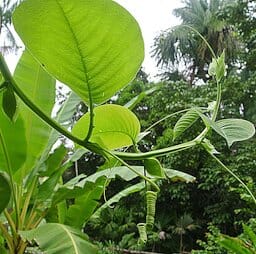


Giant Granadilla Plant
from $29.37
$59.95
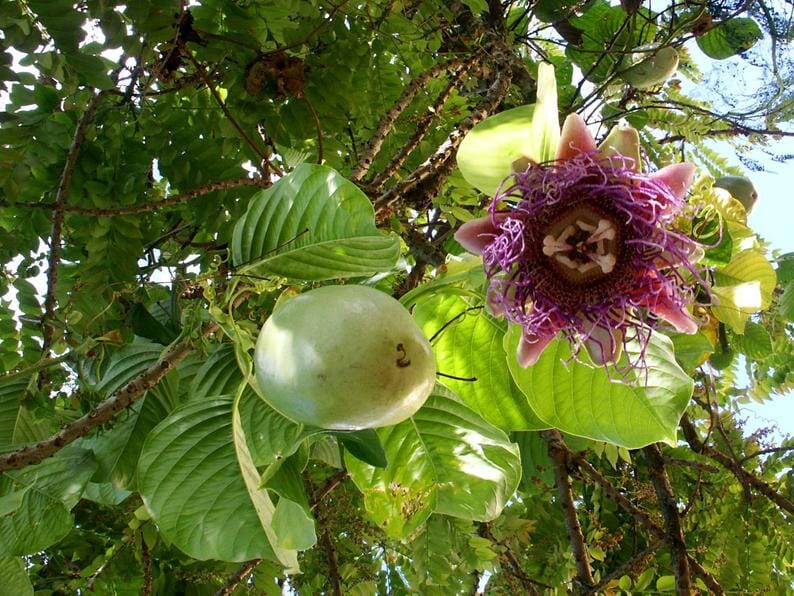
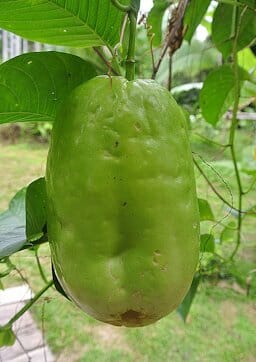
Giant Granadilla Plant - World's Largest Passion Fruit Vine
Discover the exceptional features of the Giant Granadilla Plant, a captivating fusion of passion fruit and melon-like qualities. This remarkable plant, thriving in Zones 8-11, offers a bounty of delectable fruits that are not only visually stunning but also delightfully versatile in culinary applications. Here's why you should consider adding the Giant Granadilla Plant to your garden:
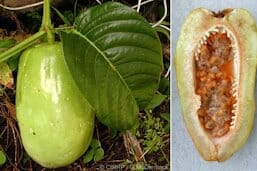
Melon-Like Marvel: Experience the wonder of a passion fruit vine that bears fruits resembling melons, creating a truly unique and eye-catching addition to your garden or landscape.
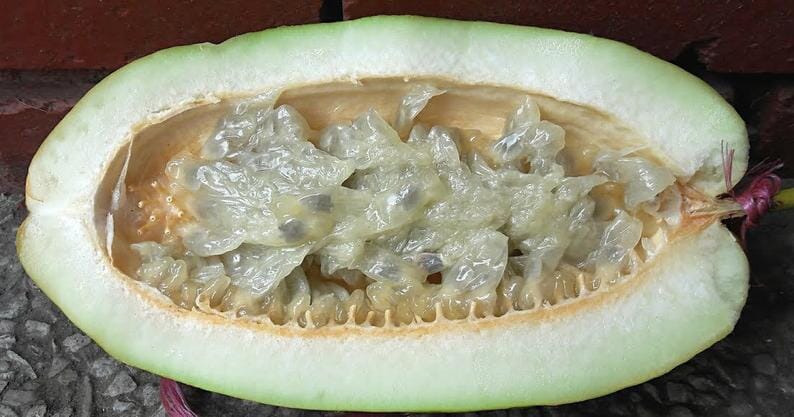
Sensational Sweetness: Indulge in the incredibly sweet seeds of the Giant Granadilla fruit. Whether relishing them fresh or enjoying them in luscious juices, the delectable sweetness is a taste sensation like no other.
Culinary Versatility: Beyond its enchanting appearance, the Giant Granadilla fruit offers diverse culinary possibilities. When not fully ripe, the fruit's flesh can be used as a delectable substitute for squash in various dishes, adding a distinctive twist to your culinary creations.
Garden-to-Table Freshness: Elevate your dining experiences by cultivating your own Giant Granadilla Plant. Harvest the fruits at their peak, ensuring the freshest flavors for your meals, snacks, or beverages.
A Tropical Treasure: Despite its lush tropical origins, the Giant Granadilla Plant can flourish in a range of climates, from Zone 8 to Zone 11. Enjoy a taste of the tropics in your very own garden, no matter your geographical location.
Gardening Adventure: Cultivating the Giant Granadilla Plant provides an exciting gardening adventure. Witness the sprawling vines as they climb and flourish, transforming your outdoor space into a vibrant and productive oasis.
Aesthetic Delight: The Giant Granadilla Plant is not only a source of delectable treats but also a captivating ornamental addition. The lush foliage, intricate flowers, and intriguing fruits create an aesthetic ensemble that enhances the beauty of your surroundings.
Engage the Senses: Immerse yourself in the multi-sensory experience offered by the Giant Granadilla Plant. From the delicate fragrance of the blossoms to the tactile pleasure of harvesting, this plant engages all your senses.
Educational Journey: Embark on a journey of botanical discovery with the Giant Granadilla Plant. Explore its growth patterns, learn about its habitat, and uncover the secrets of successful cultivation, enriching your understanding of the natural world.
Elevate your gardening endeavors and culinary adventures with the Giant Granadilla Plant. Embrace the extraordinary blend of melon-like aesthetics and passion fruit sweetness, and relish in the boundless possibilities this exceptional vine brings to your outdoor space and dining table.


Giâp Cá, Fish Mint (Houttuynia cordata)
$19.95
Unique, Medicinal Herb with a Strong Flavor
Common Names: Giâp Cá, Fish Mint, Lizard Tail, Heartleaf, Chameleon PlantFamily: SaururaceaeOrigin: Southeast Asia
Giâp Cá (Houttuynia cordata), commonly known as Fish Mint or Lizard Tail, is a perennial herb native to Southeast Asia. This unique herb is known for its strong fishy aroma and is widely used in Vietnamese, Chinese, and Japanese cuisines, particularly in salads, soups, and as a garnish. It is also prized for its medicinal properties, which have been used in traditional medicine to treat a variety of ailments. Giâp Cá is a hardy plant that thrives in wet, shady conditions, making it an ideal addition to herb gardens or as a ground cover in moist areas.
Distinctive Features, Uses, and Nutritional Value
Leaves: The heart-shaped leaves of Giâp Cá are dark green with a purple tint and have a distinctive fishy aroma that intensifies when crushed. The leaves are edible and are often used in salads or as a garnish in Southeast Asian cuisine.Flowers: The plant produces small, white flowers that grow in spikes, though it is primarily grown for its foliage.Growth Habit: Giâp Cá grows as a low, spreading herb, reaching up to 1-2 feet in height. It spreads via underground rhizomes and can quickly cover large areas, making it an effective ground cover in moist, shady locations.
Culinary and Medicinal Uses
Giâp Cá is widely used in Vietnamese and Southeast Asian cuisine. The fresh leaves are often added to salads, spring rolls, or served as a garnish for soups and grilled dishes. The fishy, pungent flavor of the leaves pairs well with strong flavors like garlic, chili, and fermented foods. In Vietnam, Giâp Cá is commonly used as a fresh herb in raw salads or served alongside grilled meats and fish.
Medicinally, Giâp Cá has been used in traditional Chinese and Vietnamese medicine for its anti-inflammatory, antimicrobial, and diuretic properties. The plant is believed to help detoxify the body, support respiratory health, and treat infections. The leaves can be made into a tea or tincture for medicinal purposes.


Gin Berry, Ginberry (Glycosmis pentaphylla)
from $24.95
The Gin Berry, also known as the Orange Berry, is a tropical perennial evergreen fruit small tree/shrub native to Tropical Asia and Australia. A Rutaceae family member, it is related to many other Citrus including the Blood Orange and Tango Mandarin, but has a very unique berry-like size and translucent pink color that sets it apart.
Bursting with tiny, highly fragrant white flower clusters, these blossoms grow to bear teeny-tiny pink citrus fruits. Bursting with juicy, gin-like flavors and a few big seeds, they are great for eating out of hand or adding to beverage. Incredibly beloved for their ornamental qualities, it doesn’t hurt that their fruit tastes like a gourmet gin and tonic as well! Growing up to 13 ft tall, it can be pruned in a container and brought inside during winter for curious, colder-zoned growers aiming to grow their own cocktail inspired new favorite tree!


Glenn Mango Tree, Grafted
from $47.95
$69.95
Glenn is a Florida favorite. This mango has a mild peachy flavor, which is both sweet and delicious. Very good to eat fresh. Tree consistently produces mango and it grows effortlessly. Trees are typically 15 feet tall. Season: June to July. One of the most popular early season mangos
Full Sun Exposure. Grafted trees produce fruit in 1-2 years
Average age of tree in 3 gal container: 112-18 months
Grown in our plant nursery in Homestead, Florida with the benefits of our subtropical weather
Approximate height: 3 Feet or taller
Ships in a 3-Gal plastic container
Read: Master the Glenn Mango Tree: Essential Steps for Success


Goldfinger Banana Musa FHIA-1 - The Resilient Delight
from $39.95
Gold Finger Banana Tree - Your Tropical Delight from Everglades Farms, Florida
Product Overview:
Rapid Growth for Quick Harvests: The Gold Finger Banana Tree is celebrated for its fast growth, allowing you to enjoy luscious bananas in a shorter time frame. Exclusively available from Everglades Farms in Florida, this tree is a must-have for any garden enthusiast.
Delectable Sub-Acid Fruit: Satisfy your sweet cravings with the Gold Finger Bananas, known for their slightly tangy, sub-acid flavor that adds a unique twist to the classic banana taste.
Hybrid Excellence - FHIA-01 Variety: This tree features a unique hybrid pedigree, being a cross between the esteemed Musa acuminata and Musa balbisiana. This FHIA-01 variety is known for producing exceptional quality fruit, combining the best traits of both parent cultivars.
Resilient and Hardy: The Gold Finger Banana Tree is specifically cultivated to withstand colder climates, strong winds, and common pests. Its resilience makes it a reliable choice for various environmental conditions.
Shipped with Care: Your tree will arrive in a 2-Gallon plastic container, expertly packed with soil and fortified with triple-layer protection to ensure it reaches you in perfect condition.
Impressive Growth: Expect your Gold Finger Banana Tree to reach an impressive height of 10-12 feet, making it a striking addition to any garden or landscape.
Perfect for Florida’s Subtropical Climate: Cultivated in Everglades Farms’ state-of-the-art nursery in Homestead, Florida, these trees thrive in the region's favorable subtropical weather, ensuring healthy growth and abundant fruit production.
Versatile Planting Options: Whether you prefer container gardening or planting directly in the ground, the Gold Finger Banana Tree adapts easily, offering you the flexibility to plant it wherever suits you best.
Limited Availability: Don’t miss out on the opportunity to own this exceptional banana tree. With limited stock available, order now to secure your piece of tropical paradise.
Expertly Grown by Everglades Farms: With decades of horticultural expertise, Everglades Farms ensures each Gold Finger Banana Tree is nurtured with care, giving you a healthy, thriving plant ready to flourish in your garden.
Order Now for Fast Delivery: Experience the joy of homegrown bananas without delay! Place your order today, and we’ll expedite the delivery process to get your Gold Finger Banana Tree to your doorstep as quickly as possible.

Grains of Paradise (Aframomum melegueta)
from $24.95
Spicy, Aromatic Seed with Ancient Roots
Common Names: Grains of Paradise, Melegueta Pepper, Guinea Pepper, Alligator PepperFamily: ZingiberaceaeOrigin: West Africa
Grains of Paradise (Aframomum melegueta) is a perennial plant native to West Africa, prized for its aromatic, peppery seeds that have been used as a spice for centuries. The seeds, which come from the plant’s small, reddish-brown pods, are often compared to black pepper but with more complex, warm, citrusy, and floral notes. Grains of Paradise were historically a sought-after spice in Europe during the Middle Ages and have recently gained popularity in modern cuisine, particularly in craft brewing and gourmet dishes. In addition to its culinary uses, Grains of Paradise also holds significance in traditional medicine for its anti-inflammatory and digestive properties.
Distinctive Features, Uses, and Nutritional Value
Seeds: Grains of Paradise seeds are small, brown, and peppery, with a spicy yet nuanced flavor that combines hints of cardamom, citrus, and warm spices. These seeds are used as a spice in a variety of dishes, especially in West African, North African, and Middle Eastern cuisines. The seeds are rich in essential oils and antioxidants, contributing to their distinct flavor and potential health benefits.
Foliage and Flowers: The plant features lush, green, lance-shaped leaves and produces small, beautiful flowers followed by reddish-brown seed pods.
Growth Habit: Aframomum melegueta is a perennial herb that grows up to 4-6 feet tall, with a spreading growth habit similar to other members of the ginger family.
Culinary and Medicinal Uses
Grains of Paradise are commonly used to add warmth and spice to savory dishes, including stews, curries, and soups. They are also used in baking, where their citrusy and peppery flavor enhances sweet and savory combinations. The seeds are popular in brewing craft beers and spirits for their subtle complexity. In traditional medicine, Grains of Paradise are believed to aid digestion, reduce inflammation, and provide relief from gastrointestinal issues.

Grape 'Blanc du Bois' (Vitis vinifera)
from $24.95
Grow your own wine! The 'Blanc du Bois' Grape is considered to be one of the best performing grapevine varieties in the southern states due to its ability to tolerate and even thrive in the heat and humidity. Blanc du Bois produces large clusters of fruit weighing up to 3 pounds! It is fast growing, disease resistant, low maintenance and self-fertile. It is a great quality grape used to make a wide range of wines such as dry, semi-sweet, blush, port, and sparkling or champagne blends. This is an early season variety.


Grape 'Southern Home' (Vitis rotundifolia x Vitis vinifera)
from $19.95
A Flavorful Southern Hybrid with Beauty, Strength, and Sweetness
The Southern Home Grape is a stunning and delicious hybrid that perfectly blends the tropical toughness of native muscadines (Vitis rotundifolia) with the classic flavor and cluster form of European grapes (Vitis vinifera). Developed by the University of Florida, this vine is as ornamental as it is productive—featuring glossy, deeply lobed leaves that resemble a fig or maple, fragrant blooms, and clusters of deep purple-black grapes with rich, sweet flavor.
Unlike traditional muscadines, Southern Home produces larger, looser clusters of grapes that are easier to harvest and enjoy fresh, straight off the vine. The fruit has the bold sweetness of a muscadine with the balanced complexity of a table grape, making it ideal for snacking, juicing, or winemaking. And since it’s adapted for Southern heat, humidity, and pests, this variety thrives where many other grapes struggle.
Cultural & Culinary Significance
Muscadines are the original Southern grape—native to the Southeast and cherished for centuries by Indigenous peoples and settlers for their intense sweetness and resilience. The Southern Home hybrid honors that legacy by combining the strength of native genetics with the refined flavor of European grapes. Today, it’s one of the most successful Southern grape varieties for home gardens and local vineyards alike. The fruit’s antioxidant-rich skins and natural sweetness make it perfect for juice, jam, jelly, or homemade wine—and even the leaves can be used for traditional stuffed grape dishes.
Why Grow Southern Home Grape?
Hybrid of muscadine and European grape—beautiful, hardy, and productive
Sweet, flavorful grapes with complex table grape flavor
Unique lobed leaves and purple-black clusters make it highly ornamental
Excellent disease resistance and heat tolerance for the South
Perfect for fresh eating, wine, juice, and preserves


Greater Burdock (Arctium lappa)
from $19.95
$59.85
Deep Detox Root with Edible Greens and Pollinator Power
Greater Burdock, also known as Gobo, is a powerful medicinal and culinary plant grown for its nutrient-rich taproot, edible young shoots and leaves, and striking thistle-like appearance. Widely used in Asian, European, and herbal traditions, Burdock root is prized for its ability to support liver function, detoxify the blood, and aid digestion. In Japan, it’s a staple veggie known as Gobo, commonly stir-fried, pickled, or simmered in stews.
This biennial herb forms a rosette of large, velvety green leaves in its first year, then sends up a towering flower stalk in year two, blooming with purple, pollinator-attracting flowers that develop into the iconic burrs that inspired Velcro. The deep roots break up heavy soils and mine nutrients, making Burdock a great addition to regenerative gardens and food forests.
Easy to grow and adaptable, Burdock thrives in full sun and well-drained soil, especially when given loose, deep ground to develop long, straight roots. Harvest the roots in the first year for best flavor and medicinal potency.


Greek Mountain Tea (Sideritis scardica)
$24.95
Greek Mountain Tea, also known as Ironwort, Mountain Tea, or Shepherd's Tea, is a perennial evergreen herb or small shrub well known for it's fuzzy succulent foliage, fragrant orange bell-shaped flowers, and medicinal properties. It grows abundantly in Mediterranean regions and is native to Greece. Prepared as a tea (dried flowers, leaves, stems), it may aid in digestion, strengthen the immune system and suppress colds, sinus congestion, even pain and mild anxiety.

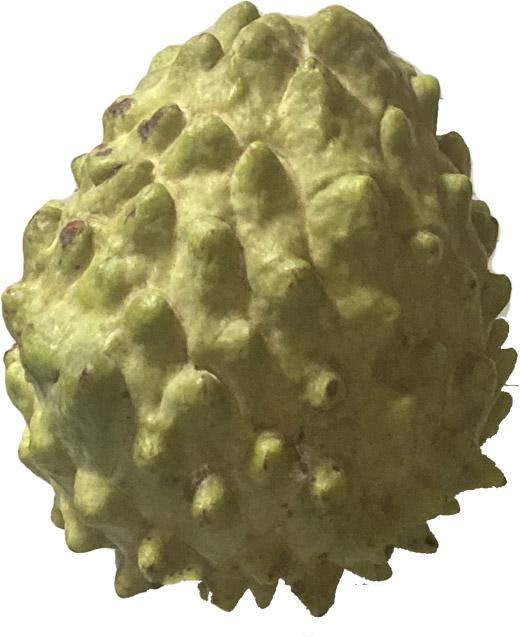
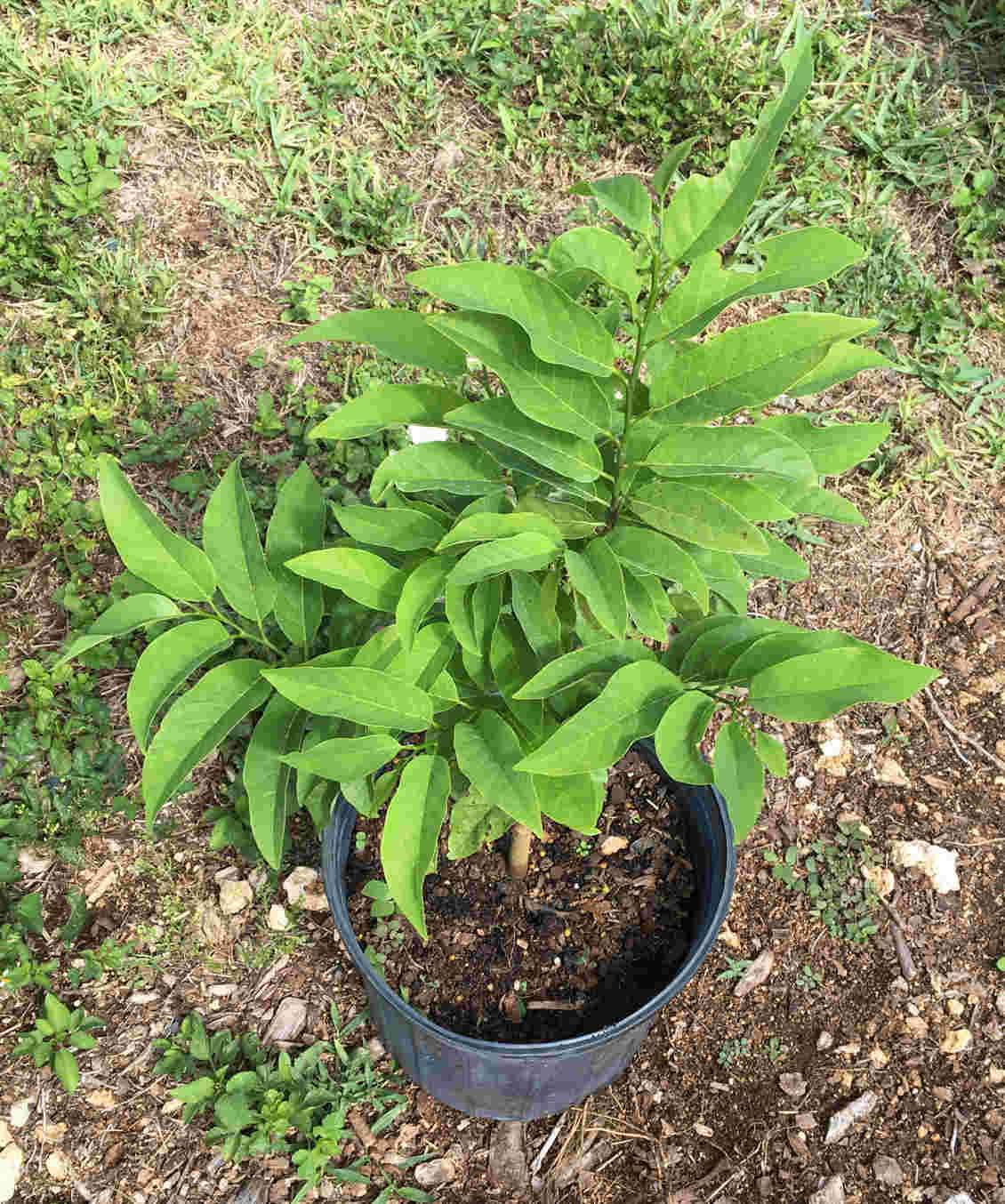
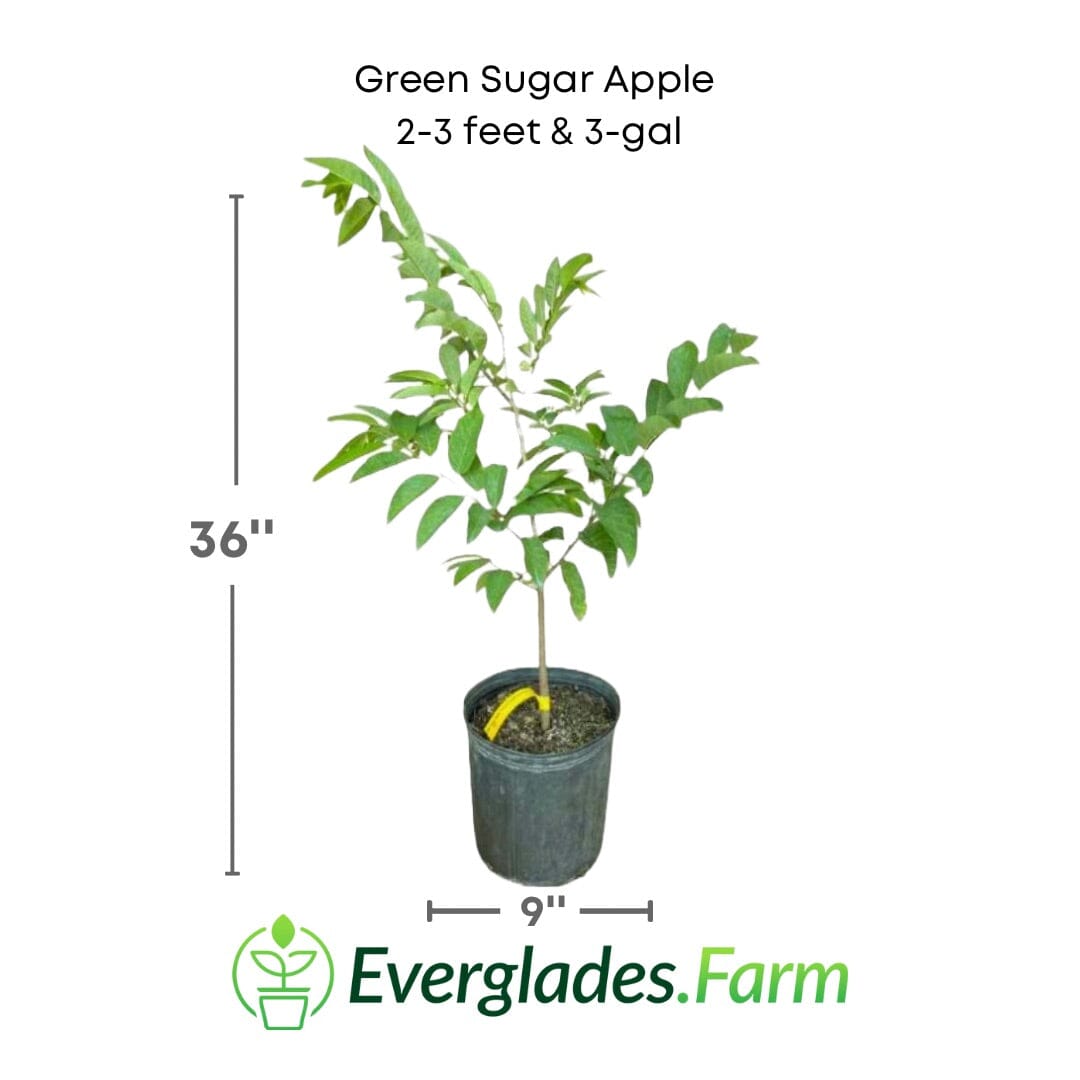
Green Sugar Apple, Sweetsop, Annona Tree
from $34.95
$49.95
Delicious Sugar Apple (Annona Squamosa) Trees for Sale from Florida's Everglades Farms!
Fast Fruit Yield: Yields delectable fruit in just 1-2 years, whether planted in the ground or containers.
Healthy and Mature: Our 3-gallon container trees are 6-12 months old on average, ensuring a head start in growth.
Florida's Finest: Grown in our top-tier plant nursery nestled in the warmth of Homestead, Florida, benefiting from our ideal subtropical weather.
Nurtured from Seeds: Each tree is lovingly cultivated from seeds, guaranteeing unique and thriving specimens.
Abundant Harvest: Mature sugar apple trees bear a bountiful yield of 20 to 50 delicious fruits per tree.
Seasonal Availability: Wondering why Sugar Apples aren't available in winter? These trees undergo a natural leaf-changing process during the winter months. Fear not! They'll be back and ready to purchase again after the winter season.
Why Choose Sugar Apple Trees from Everglades Farms?
Premium Quality Guaranteed: Our meticulously nurtured trees promise superior taste and health for your orchard or garden.
Expertise and Experience: With years of experience in cultivating subtropical plants, we bring you the very best in sugar apple trees.
Versatile Planting Options: Whether you have ample garden space or a cozy balcony, our sugar apple trees flourish in both ground and container settings.
Sustainably Grown: We take pride in sustainable farming practices, ensuring a positive impact on the environment.
Local Floridian Pride: Embrace the essence of Florida by bringing home these authentic sugar apple trees, grown with love in the heart of the Everglades.
Bring the Taste of the Tropics Home - Buy Sugar Apple Trees Now!
Read: Sugar Apple Fruit Where to Buy: A Step-by-Step Guide

Guava 'Ruby Supreme' (Psidium guajava)
$99.95
$119.95
Fragrant, Sweet-Tart Tropical Guava with Lush Pink Flesh
Ruby Supreme Guava is a highly productive tropical fruit tree that delivers medium to large round fruit with a thin, yellow-green skin and a vibrant pink-red interior. The flavor is sweet-tart, aromatic, and refreshingly tropical—perfect for eating fresh, blending into smoothies, or making jams, jellies, and pastries. Known for its heavy yields and strong fragrance, Ruby Supreme is one of the most popular pink-fleshed guava cultivars for home gardens. This fast-growing evergreen thrives in warm climates, making it a standout in edible landscapes, food forests, and container gardens.
Why Grow Ruby Supreme Guava?
Produces large, pink-fleshed guavas with an intense tropical aroma
Sweet-tart flavor ideal for fresh eating, juicing, or preserves
Heavy producer once established
Beautiful evergreen foliage with ornamental value
Easy to grow and quick to bear fruit in warm climates
Growing Tips
Plant Ruby Supreme Guava in full sun with well-drained soil. Water regularly during the first year to establish strong roots, then moderately once mature. Fertilize during the growing season for best yields. Guavas are adaptable and drought-tolerant once established but produce more fruit with consistent watering. In USDA Zones 9–11, it grows well in-ground; in cooler zones, plant in a large container and bring indoors during cold weather. Prune after harvest to control size and encourage airflow.


Guava, Lemon (Psidium littorale)
from $19.95
The Lemon Guava, also commonly called Cattley Guava, is a small sub-tropical fruit tree. It abundantly produces sweet lime-green to golden-yellow guava fruit. The petite fruit, range in size from 4-8cm, and have a delicious blend of lemony guava flavor and aroma. Lemon Guavas are mainly eaten raw but can also be cooked. The pulp is often used in fruit salads, smoothies, or in a marinade. Lemon guavas, like most guava varieties, contain a high amount of vitamin A and folate. It also contains vitamins C (even greater amounts are in the skin) and B-complex vitamins as well as minerals like potassium.
Lemon Guava trees are excellent producers, fast-growing, and are an excellent design element for an edible landscape. Well-suited for growing in a container and grows successfully as a potted plant in northern zones. Somewhat drought tolerant!

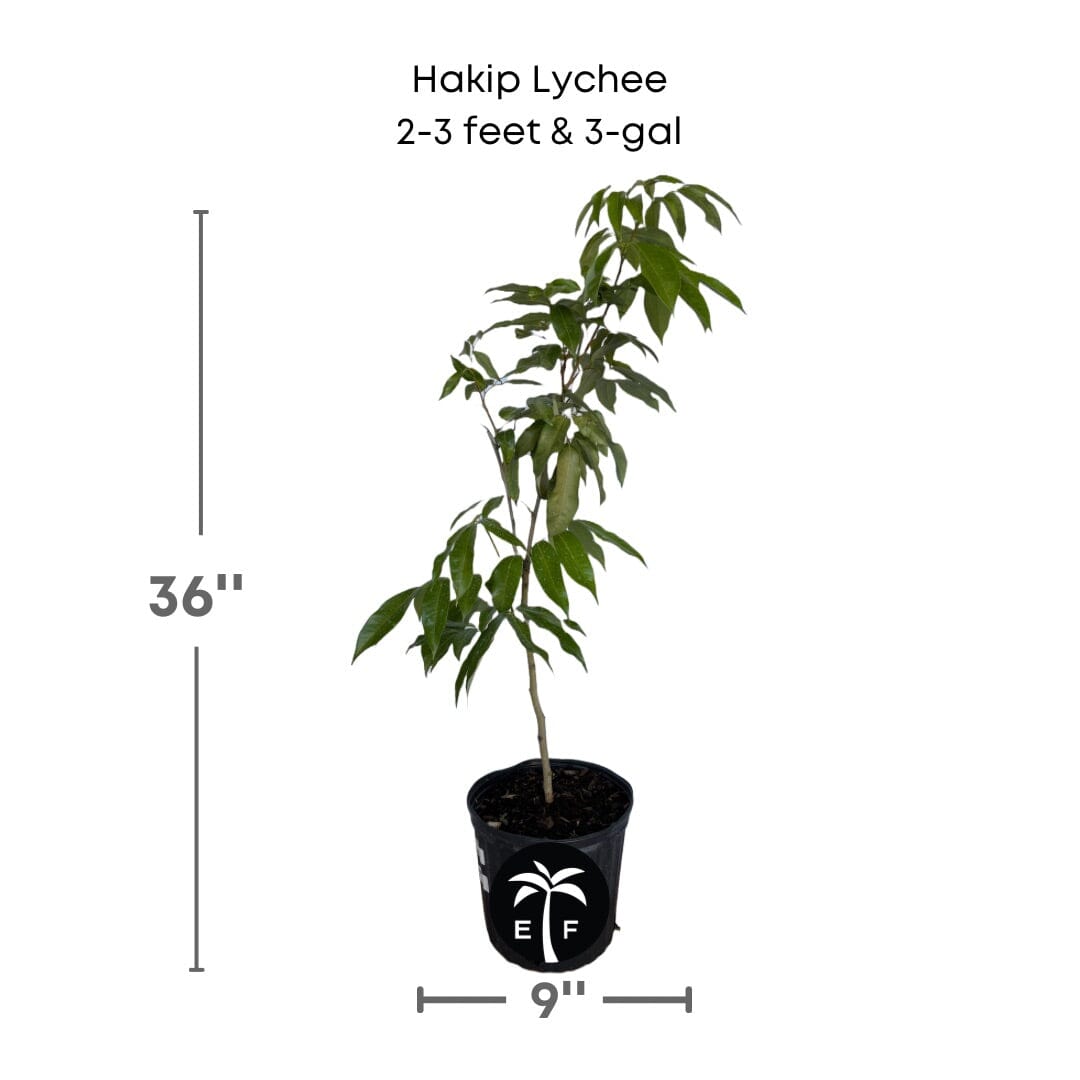
Hakip Lychee Tree, Air-Layered
from $49.95
Premium 'Ha-Kip' Lychee Tree: Discover the epitome of lychee perfection with our premium 'Ha-Kip' variety. This exceptional lychee tree is meticulously cultivated to embody all the coveted traits that growers and enthusiasts seek, including an impressive size, exquisite flavor, minimal seed presence, and a captivating darker red hue.
Guaranteed Fruitfulness with Air-Layered Trees: Elevate your lychee-growing experience with our air-layered trees. These trees offer an increased likelihood of bountiful fruit production since they are genetically identical clones of mature, fruit-bearing trees. Unlock the potential for a thriving lychee harvest right in your own space.
Optimal Height for Rapid Growth: Our 'Ha-Kip' Lychee Tree stands at an approximate height of 2-3 feet, ensuring a head start for vigorous growth and faster establishment in your environment.
Expertly Shipped for Perfect Arrival: Your tree will arrive in pristine condition, ready to flourish. It is securely packaged in a 2-Gallon plastic container with nourishing soil and triple-layer protection, guaranteeing a safe and healthy journey to your doorstep.
Ready-to-Bear in 12-18 Months: Experience the joy of homegrown lychees sooner than you think. Our 'Ha-Kip' Lychee Tree, nestled in a 2-gallon container, boasts an average age of 12-18 months. This means you'll be savoring your very own succulent lychees in a fraction of the time it takes with other trees.
Thriving in Subtropical Climate: Cultivated with care at our plant nursery in Homestead, Florida, this 'Ha-Kip' Lychee Tree is perfectly attuned to the benefits of our nurturing subtropical weather. Its natural adaptability ensures a robust and resilient addition to your garden.
Your Journey to Fresh Lychees Starts Here: Embark on a journey to transform your outdoor space into a tropical oasis with the remarkable 'Ha-Kip' Lychee Tree. Experience the pride and satisfaction of harvesting delectable lychees from your very own tree, while benefiting from the expertise of Everglades Farms and the charm of Florida's thriving subtropical landscape.
Revitalize your gardening endeavors with the allure of the 'Ha-Kip' Lychee Tree, and relish the taste of freshly-picked, sumptuous lychees right at home. Order now to secure your own piece of lychee paradise from Everglades Farms.
Read: 5 Effective Lychee Erinose Mite Treatment Strategies for Gardeners
![Hass [California] Avocado Tree, Grafted](http://thepepperpantry.com/cdn/shop/files/hass_avocado_variety_everglades_farm_d060908a-5393-43cb-9cb8-f89110a138ca_1280x.jpg?v=1762303622)
![Hass [California] Avocado Tree, Grafted](http://thepepperpantry.com/cdn/shop/files/hass_abocado_tree_florida_7gal_container_75b11928-796b-44eb-8f3e-3f30c33b27ca_1280x.jpg?v=1760721376)
![Hass [California] Avocado Tree, Grafted](http://thepepperpantry.com/cdn/shop/files/Hass__California__Avocado_2-3_feet_3-gal_everglades_farm_1280x.jpg?v=1760721377)
Hass [California] Avocado Tree, Grafted
from $44.95
$59.95
Elevate Your Garden with Premium Hass [California] Avocado Trees from Everglades Farms!
Unlock the potential of your garden with our exceptional Hass [California] Avocado Trees, meticulously crafted for excellence and grown with care in Florida's nurturing subtropical climate. Here's why our Hass Avocado Trees are a must-have for your garden:
Superior Fruit Production: Our Hass Avocado Trees are expertly grafted to ensure high-quality fruit production. Say hello to a bountiful harvest of creamy, flavorful avocados that you can enjoy straight from your garden.
Optimal Subtropical Conditions: Thrive in Homestead, Florida, and beyond with avocado trees that have been nurtured in our ideal subtropical weather. Experience the benefits of our unique climate for healthy and robust tree growth.
Ready to Flourish: Kickstart your avocado-growing journey with trees that are ready to flourish. The average age of our Hass Avocado Trees in a 2 Gal container is 12-18 months, ensuring a head start in your garden.
Convenience and Safety: Receive your Hass Avocado Tree securely in a 2 Gal plastic container. Our careful packaging ensures your tree's safety during transit, making the planting process a breeze.
Nutrient-Rich Soil: Fuel the growth of your avocado tree with our premium slow-release 8-3-9 granular fertilizer-enriched soil. Watch your tree thrive as it receives the nourishment it needs for healthy development.
Perfect Garden Fit: With an approximate height of 2-3 feet (including container), our Hass Avocado Trees are well-suited for various garden sizes. Experience the joy of nurturing and cultivating your own avocado oasis.
Garden-to-Table Delights: Imagine the satisfaction of indulging in fresh, homegrown avocados. With our Hass Avocado Trees, you can enjoy the culinary delights of avocados that you've nurtured from start to finish.
Your Trusted Source: Everglades Farms is your trusted partner for avocados and more. We take pride in offering healthy avocado trees that you can rely on for years of fruitful harvests.
Elevate your gardening experience with Everglades Farms' Premium Hass [California] Avocado Trees. Order now and embark on a journey of growing, nurturing, and savoring the delectable avocados from your very own garden. Join us in cultivating nature's bounty and enhancing your garden with the beauty and flavor of avocados. Place your order today and experience the joy of homegrown avocados like never before!
Read: How to Grow a Hass Avocado Tree? Essential Steps for Success


Hawaiian Poha Berry (Physalis peruviana)
$19.95
Golden Berries with Sweet-Tart Tropical Flavor and Island Charm
The Hawaiian Poha Berry (Physalis peruviana), also known as Cape Gooseberry or Goldenberry, is a beloved tropical fruiting plant with bright golden-orange berries wrapped in papery husks like tiny lanterns. Though native to the highlands of South America, it has naturalized in Hawaii and become a cherished backyard crop across the islands—valued for its sweet-tart, pineapple-meets-tomato flavor and easy, prolific growth. Poha berries are packed with antioxidants and vitamin C, and their unique balance of tangy and tropical sweetness makes them a favorite for snacking, baking, and jam-making. Compact, fast-growing, and fruiting within the first season, this plant brings a touch of Hawaiian sunshine to any garden.
Cultural & Culinary Significance
Poha berries hold a special place in Hawaiian home gardens and farmer’s markets, where they’re used to make poha jam, chutneys, sauces, and desserts. Their distinct flavor shines in pies, muffins, and fruit salads—or simply enjoyed fresh, peeled from their lantern-like husks. In South America, where the plant originates, it’s known as uchuva or aguaymanto and has been cultivated for centuries as a nutrient-rich superfruit. Easy to grow and endlessly rewarding, Poha Berry bridges cultures and continents—uniting the Andes and the islands through one golden, glowing fruit.
Why Grow Hawaiian Poha Berry?
Produces clusters of golden-orange berries with a sweet-tart tropical flavor
Fruits within the first year—high-yielding and easy to grow
Rich in vitamin C, antioxidants, and natural pectin
Great for jams, desserts, salads, and snacking fresh from the husk
Compact and ornamental with charming papery fruit husks


Hoja Santa (Piper auritum)
from $19.95
$44.95
Hoja Santa, also commonly known as Mexican Pepperleaf, Veracruz Pepper, Rootbeer Plant or False Kava is a hardy perennial herb. Hoja Santa is native to northern South American and Mexico. It's native name means "Sacred Leaf".
Giant, velvety heart-shaped leaves grow to 10 inches or more in length. Both leaves and flowers are very aromatic and full of flavor. The flavor is very complex, with delightly notes of licorice, eucalyptus, sassafras, anise, nutmeg, mint, tarragon, and black pepper. The plant spreads from the tuber and will quickly sprout many shoots.
Large, fragrant leaves are used fresh in Mexican cuisine for tamales, wrapping fish or meat and as an essential ingredient in true Mole Verde, the green sauce that originated in the Oaxaca region of Mexico. Fresh Hoja Santa can also be chopped to flavor soups and salads. Despite their culinary popularity, fresh leaves are very difficult to find in grocery stores or at markets, so growing this hardy plant at home is a great idea.


Hojas de Salat (Neea psychotrioides)
$24.95
Rare Tropical Tree with Edible Leaves and Rich Cultural Heritage
The Hoja de Salat (Neea psychotrioides), also known as Salat Tree or Hoja Salad, is a rare tropical evergreen native to Central America and parts of the Caribbean. This slow-growing tree or large shrub features shiny, deep-green leaves that are both edible and aromatic, used traditionally as a fresh green or flavorful wrap in regional cuisines. Its smooth gray bark, dense branching habit, and lush canopy make it a beautiful ornamental addition to tropical and subtropical gardens. Beyond its beauty, Neea psychotrioides carries deep cultural and ecological value, thriving in hot, humid climates where few leafy edibles can.
Cultural & Culinary Significance
In Central America—particularly Belize, Honduras, and Guatemala—Hoja de Salat has long been prized for its edible, mildly tangy leaves, which are eaten fresh in salads, wrapped around other foods, or used as herbal greens. In traditional foodways, it bridges the worlds of nourishment and medicine: the leaves are sometimes steeped for teas or tonics believed to support digestion and vitality. Its versatility and resilience have made it a beloved home garden plant across tropical regions, where it’s as much a part of daily cooking as it is a part of living cultural heritage.
Why Grow Hoja de Salat?
Rare tropical evergreen with edible, salad-quality leaves
Traditional food plant across Central America and the Caribbean
Dense, glossy foliage adds beauty and texture to edible landscapes
Tolerant of heat, humidity, and varied tropical soils
Connects your garden to centuries of cultural and culinary tradition


Iboza (Iboza riparia)
$19.95
Iboza, also known as Incense Bush, scientifically known as Tetradenia riparia or Iboza riparia, is a robust and aromatic semi-evergreen shrub hailing from the highlands of South Africa. Renowned for its lush, velvety foliage and striking floral display, Iboza grows vigorously, forming dense clusters of leaves that are both visually pleasing and highly fragrant.
The leaves of Iboza are broad, slightly serrated, and covered in soft hairs, giving them a unique texture. When crushed, they release a strong, spicy aroma reminiscent of nutmeg, making this plant a favorite among those who appreciate fragrant gardens. During the cooler months of late winter to early spring, Iboza produces profuse clusters of tiny, delicate flowers. These blooms range in color from white to pale lavender and attract an array of pollinators, adding ecological value to its ornamental appeal.
In addition to its aesthetic attributes, Iboza is revered in traditional medicine for its therapeutic properties. It has been used historically to treat a range of ailments, from colds and flu to headaches and digestive issues. The plant’s essential oils are believed to have anti-inflammatory and antimicrobial properties, which contribute to its medicinal use.
The name Iboza is derived from the Zulu word referring to the aromatic leaves. The Zulu culture of Southern Africa have used this plant for centuries to relieve respiratory issues, stomach aches and headaches, through simply crushing and inhaling the leaves or making a tea from them.

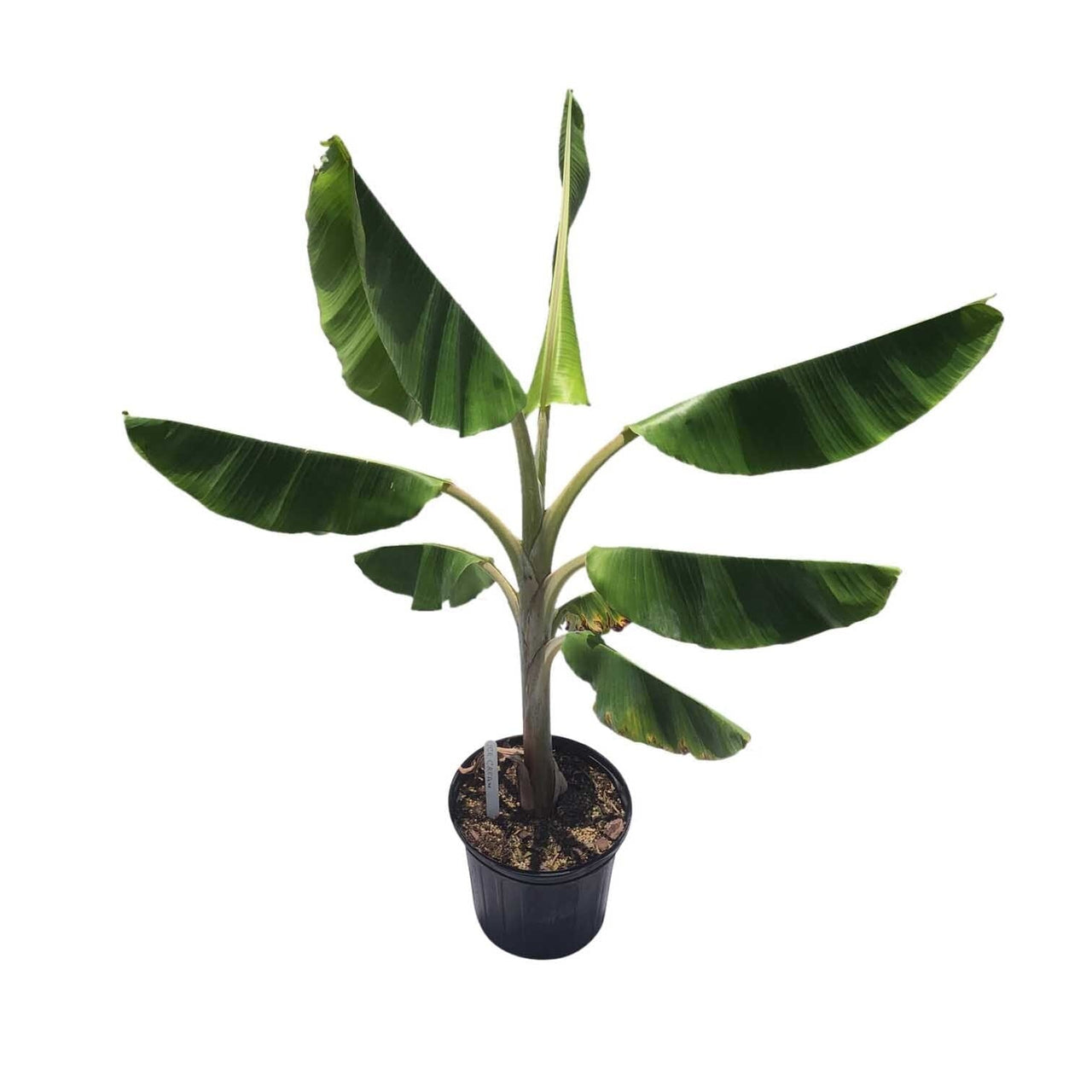
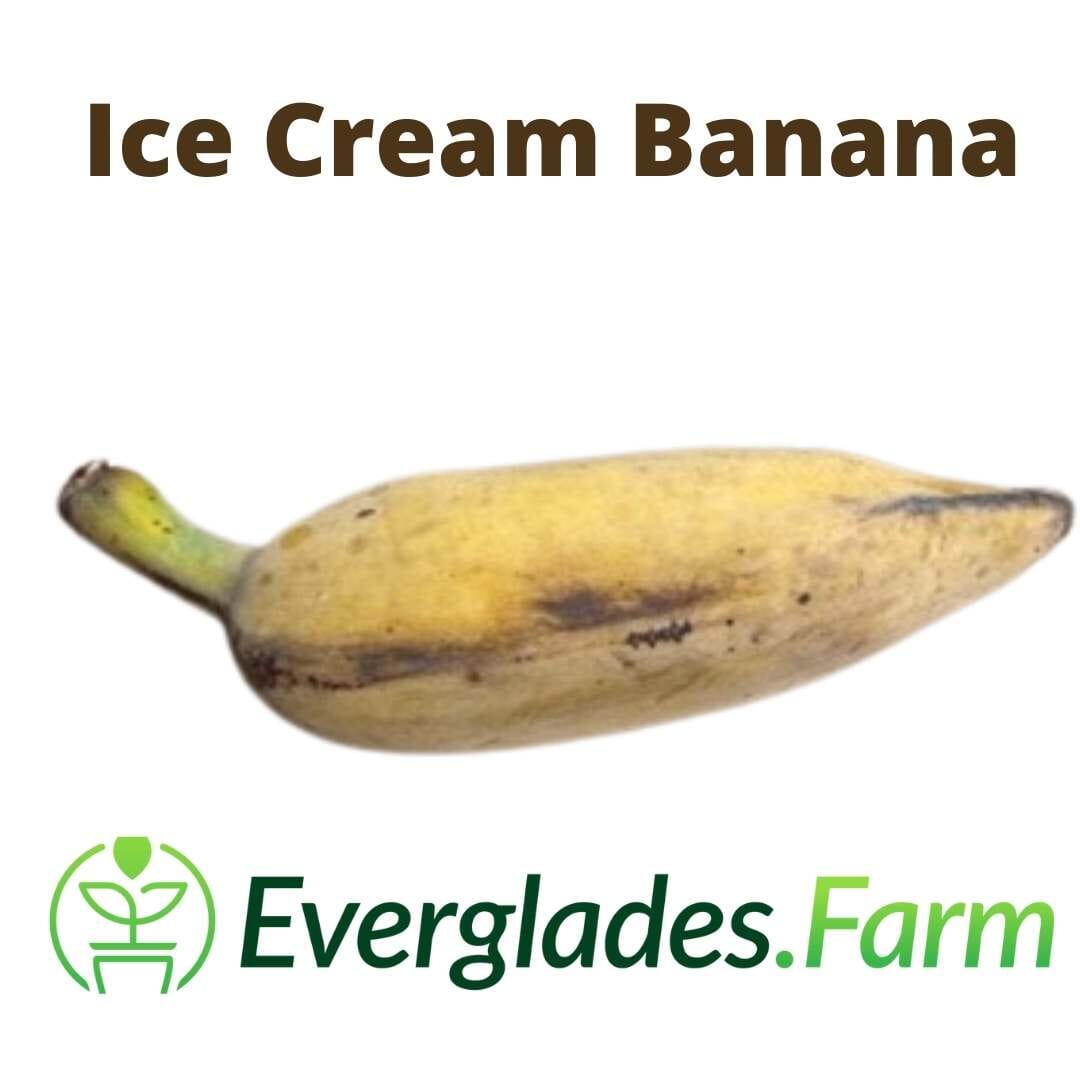
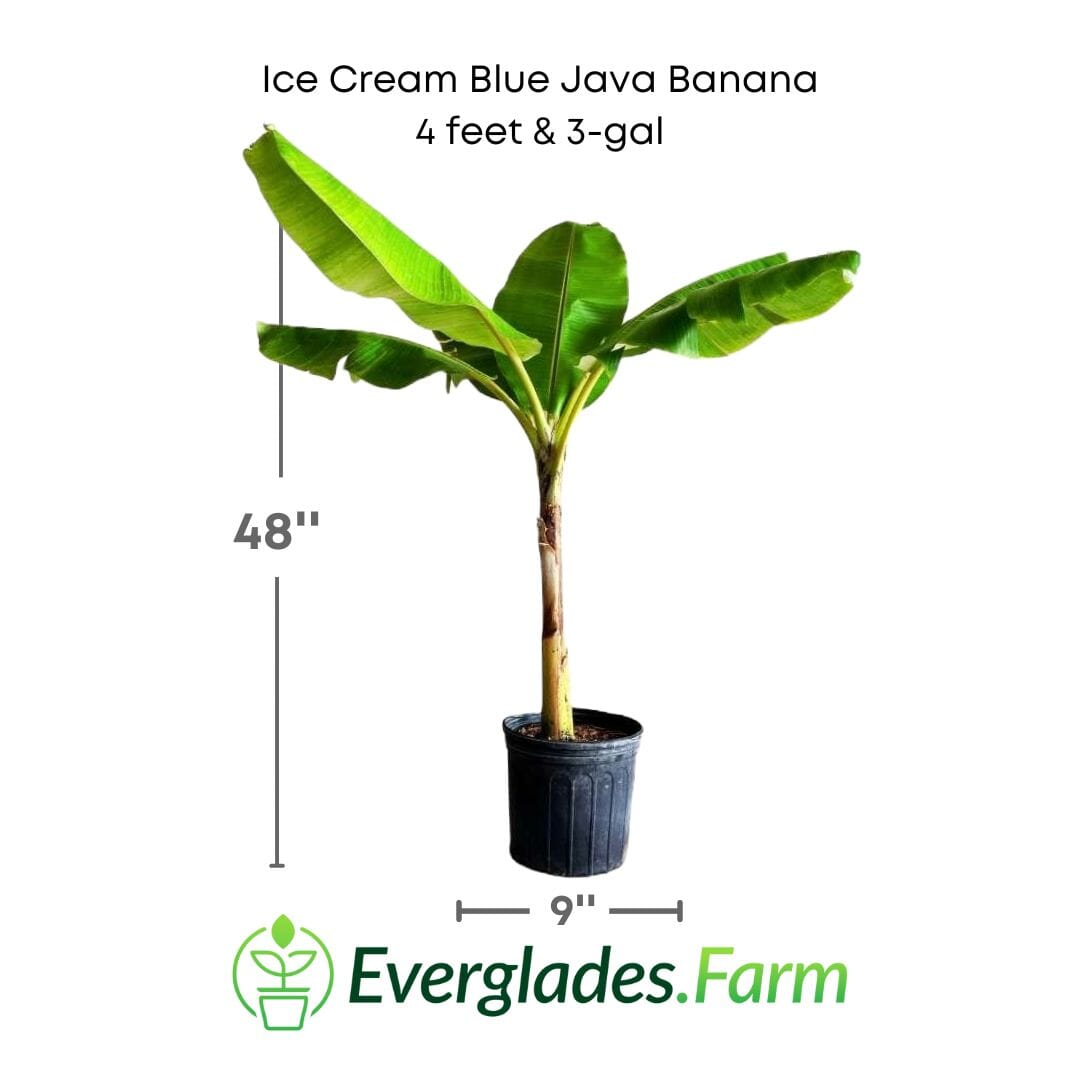
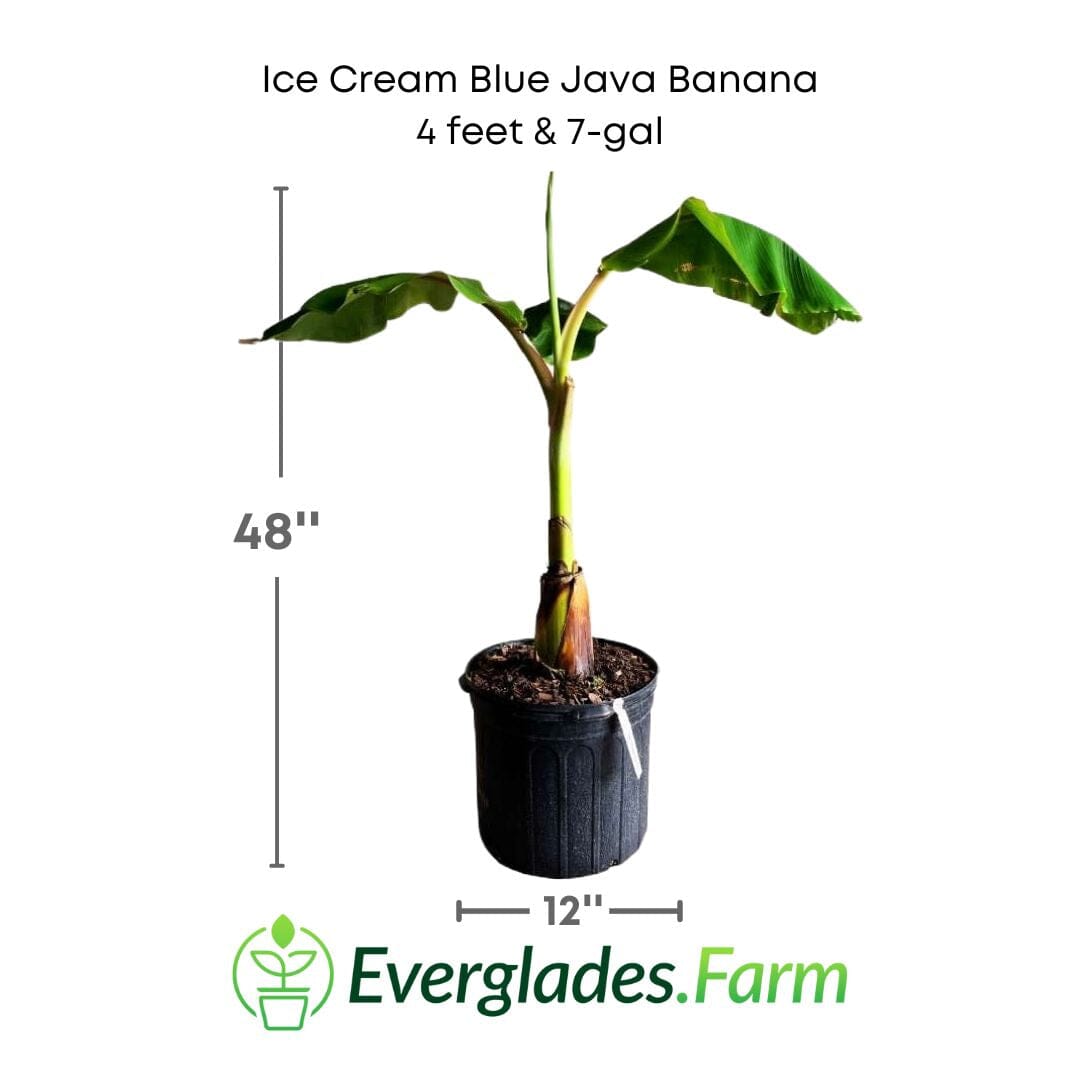
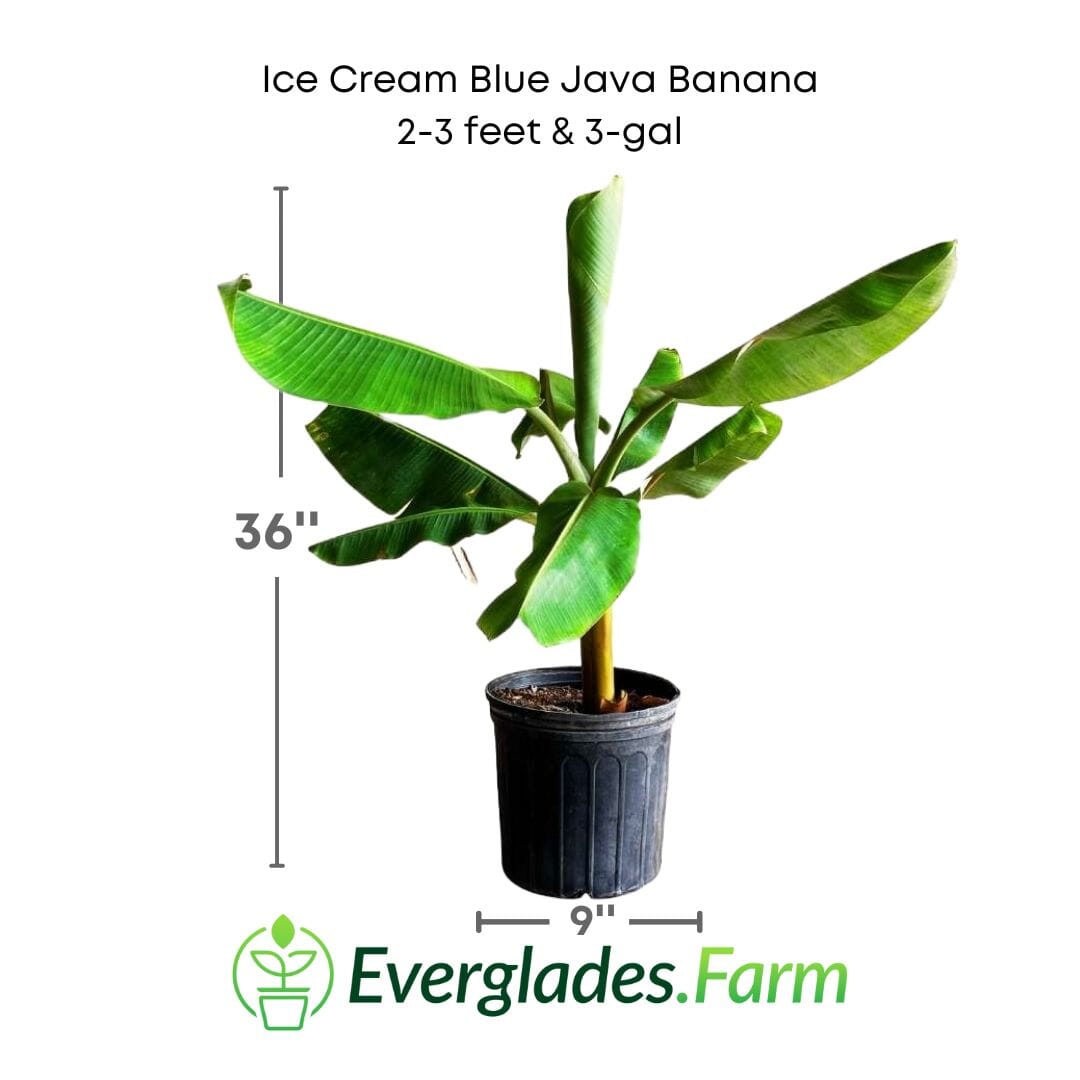
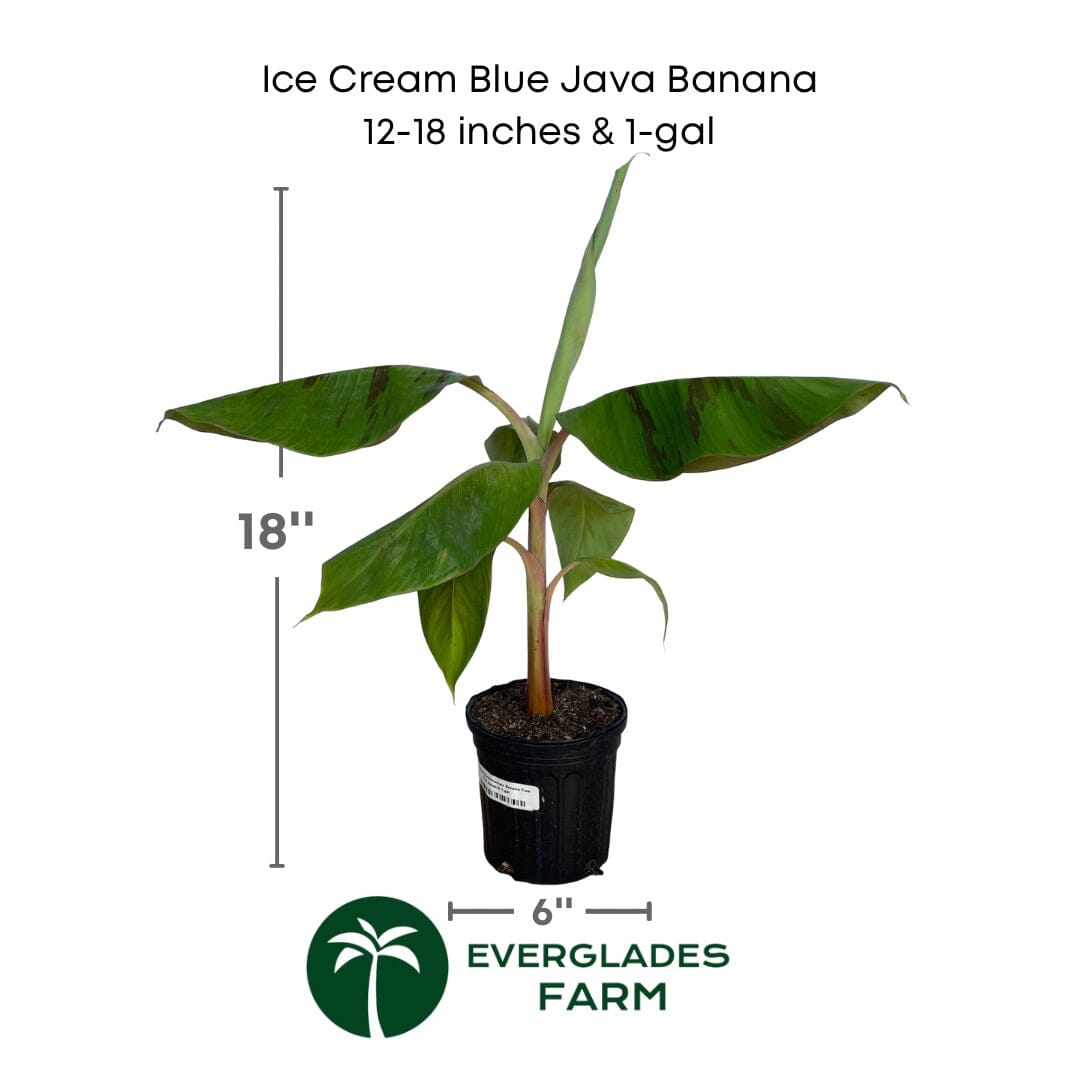
Ice Cream Blue Java Banana Plant
from $39.95
$49.95
Ice Cream Blue Java Banana Plant - For Sale from Everglades Farms, Florida
Product Overview:
Introducing the Ice Cream Blue Java Banana Plant – a cold-tolerant and delicious addition to your garden. Known for its sweet, aromatic fruit with a creamy, ice cream-like texture and delightful vanilla flavor, this plant is perfect for a variety of climates and environments.
Key Features:
Indulge in Sweetness: Experience the delight of our hardy Ice Cream Blue Java Banana Plant, featuring sweet, aromatic fruit with a creamy, ice cream-like texture and a delightful vanilla flavor.
Cold-Tolerant Wonder: Thrives even in chilly climates, withstanding temperatures as low as 20 degrees Fahrenheit, making it perfect for various regions.
Grown in Florida's Subtropical Paradise: Cultivated with care in our plant nursery nestled in the heart of Homestead, Florida, where the advantages of our subtropical weather ensure the highest quality plants.
Bask in the Sunshine: Flourishes with both full and partial sunlight, making it adaptable to various environments.
Eco-Friendly Packaging: Each plant is thoughtfully shipped in a sturdy plastic container, ensuring its safety during transportation.
Growing and Care Instructions:
Soil and Watering: Plant in well-drained, fertile soil that retains moisture. Regular watering is essential, especially during the growing season.
Sunlight Requirements: Thrives in full sun to partial shade, making it versatile for various growing conditions.
Fertilization: Use a balanced fertilizer during the growing season to encourage vigorous growth and fruit production.
Pruning: Prune to maintain shape and remove any diseased or dead leaves. This helps improve air circulation and reduces the risk of disease.
Growth and Adaptability:
Cold Tolerance: Withstands brief periods of cold temperatures down to 20 degrees Fahrenheit, providing resilience during cooler seasons.
Ready to Thrive: The plant’s adaptability allows it to flourish in different environments, ensuring robust growth and exceptional fruit production.
Container-Friendly: Ideal for container growing, which allows for easy movement and protection during colder weather.
Special Considerations:
Cultivated in Florida: Grown in our premium plant nursery in Homestead, Florida, our Ice Cream Blue Java Banana Plants benefit from the region’s ideal subtropical climate, ensuring robust growth and exceptional fruit production.
Shipping Details: Shipped in a sturdy plastic container to ensure the plant’s roots remain healthy and ready for transplantation upon arrival.
Why Choose Everglades Farm?
Quality Assurance: We ensure our plants are healthy and ready to thrive in your garden.
Sustainability: Our nursery practices eco-friendly methods to support sustainable agriculture.
Customer Support: Expert guidance and support to help you succeed in growing your Ice Cream Blue Java Banana Plant.
Elevate your gardening experience with the Ice Cream Blue Java Banana Plant from Everglades Farms. Enjoy the unique flavors and the ornamental beauty of this cold-tolerant wonder. Order your plant today and add a touch of the tropics to your outdoor space.


Jabuticaba (Plinia cauliflora)
from $24.95
Grape-Like Fruit Grows on the Trunk—Truly Magical!Sweet, tropical, and visually stunning from bark to bloom.
Jaboticaba, also known as the Brazilian Grape Tree or Jabuticaba, is a rare tropical fruiting tree native to Brazil that produces deep purple, grape-like fruits directly on its trunk and branches—a botanical rarity called cauliflory. The fruit is sweet, juicy, and full of flavor, with tart skins and soft, translucent pulp often compared to muscadine grape, lychee, and plum. Perfect fresh or transformed into wine, jelly, or liqueur, this treasure is a must-grow for rare fruit lovers and edible landscape enthusiasts.
This small evergreen tree is just as ornamental as it is productive, with smooth mottled bark, glossy green foliage, and showy white blooms that emerge straight from the trunk. Slow-growing but long-lived, Jaboticaba forms a compact, vase-shaped canopy ideal for food forests, tropical gardens, or container growing—even bonsai.
Thriving in rich, moist, slightly acidic soil and partial to full sun, Jaboticaba is hardy in Zones 9-11 and tolerant of light frost. With patience and consistent watering, especially during flowering and fruiting, you’ll be rewarded with one of the most conversation-worthy fruits on Earth.


Jackfruit Seedling (Artocarpus heterophyllus)
from $19.95
Giant, Versatile Fruit Tree
Common Names: Jackfruit, Jakfruit, NangkaFamily: MoraceaeOrigin: South and Southeast Asia
The Jackfruit (Artocarpus heterophyllus) is a tropical tree known for producing the largest fruit of any tree, weighing up to 100 pounds or more. Native to South and Southeast Asia, Jackfruit trees are highly prized for their fruit, which has a unique texture and sweet, tropical flavor. The tree is an excellent addition to tropical and subtropical gardens, growing quickly and producing abundant fruit within a few years. Jackfruit seedlings are a great way to start growing this versatile and nutritious fruit, which can be eaten fresh, cooked, or used as a meat substitute in plant-based diets.
Distinctive Features, Uses, and Nutritional Value
Fruit: The Jackfruit produces massive, oblong fruits covered in a spiky green or yellow rind. Inside, the sweet, golden-yellow flesh is divided into pods that are rich in flavor and can be eaten fresh, cooked in savory dishes, or used in desserts. Young, unripe jackfruit is often used as a plant-based meat alternative due to its texture and ability to absorb flavors. Jackfruit is highly nutritious, providing significant amounts of vitamin C, potassium, and dietary fiber.
Foliage: The tree has large, glossy green leaves that provide shade and create a lush, tropical appearance.
Growth Habit: Jackfruit trees can grow up to 80 feet tall in ideal conditions but are usually pruned to a manageable height of 20-30 feet in home gardens. The tree grows quickly, and seedlings can begin fruiting within 3-5 years under optimal conditions.
Culinary and Medicinal Uses
Jackfruit is incredibly versatile in the kitchen. The ripe fruit is sweet and fragrant, often compared to a mix of pineapple, banana, and mango. It is eaten fresh or used in desserts, smoothies, and jams. The young, unripe fruit is a popular meat substitute in vegan and vegetarian dishes due to its fibrous texture. It is commonly used in curries, tacos, and sandwiches. In traditional medicine, various parts of the jackfruit tree are used for their anti-inflammatory and antimicrobial properties, and the seeds can be boiled or roasted and eaten as a snack.


Jamaican Dandelion (Senna occidentalis)
from $19.95
The Jamaican Dandelion, also known as the Piss-a-Bed Plant or Coffee Senna, is a tropical to subtropical short-lived biennial native to the tropical Americas. A part of the Fabaceae family, it is related to Carob and the Lablab Bean. Hefty compound leaves house dainty, yellow flower clusters and seed pods.
Each part of the fast growing plant is used. Traditionally used in Jamaica as a cold helper and diuretic, the bitter tasting Jamaican Dandelion is used for liver cleansing and shortness of breath. Applied externally, the leaves are used on ringworm and eczema. Seeds, once parched and ground, make for a helpful coffee-like drink which is said to help the bladder and kidneys.
Jamaican Dandelion has long been used for its beneficial properties. Bearing confirmed antibacterial, anticancerous, antidiabetic, antifungal, anti-inflammatory, and antimutagenic properties, it’s quite a useful tool to have around.